
24 Flow Haircut Men Ideas For 2026

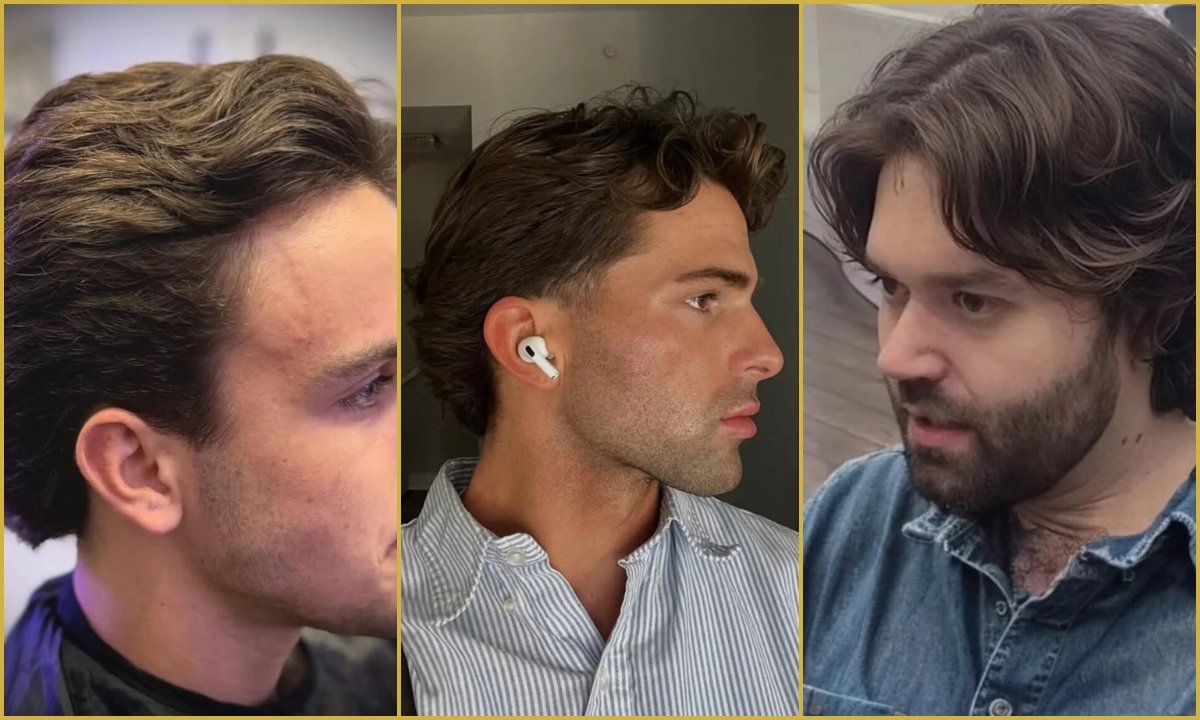
If you searched for a flow haircut, chances are you like how it looks, but you’re still confused about what it actually is.
You see one image where the hair looks long, another where it looks short, and then you hear your barber call it something completely different.
You don’t want to grow your hair for months just to end up with a messy cut that doesn’t suit your face, and that hesitation you feel is completely normal.
In this article, you’ll see exactly what a flow haircut really means, and 24 flow haircut ideas that you can try.
Let’s jump in!
Contents
- 1 What Is The Flow Haircut For Men?
- 1.1 Classic Natural Flow
- 1.2 Tapered Modern Flow
- 1.3 Relaxed Wavy Flow
- 1.4 Structured Flow Sweep
- 1.5 Full Back Flow
- 1.6 Clean Back Flow
- 1.7 Soft Short Flow
- 1.8 High Volume Flow
- 1.9 Curly Flow Shape
- 1.10 Fade Flow Blend
- 1.11 Short Flow Crop
- 1.12 Center Part Flow
- 1.13 Thick Back Flow
- 1.14 Polished Flow Cut
- 1.15 Long Bro Flow
- 1.16 Natural Back Flow
- 1.17 Sleek Formal Flow
- 1.18 Textured Back Flow
- 1.19 Mature Classic Flow
- 1.20 Casual Loose Flow
- 1.21 Youthful Soft Flow
- 1.22 Wavy Everyday Flow
- 1.23 Messy Flow Layers
- 1.24 Wet Look Flow
- 2 FAQs
What Is The Flow Haircut For Men?
The flow haircut for you is a medium-to-long style that’s all about natural movement and a laid-back vibe.
You might hear it called the hockey haircut, and you’ll notice it has longer hair on top and at the back, so you can let it sweep away from your face and flow naturally with your hair’s texture.
Unlike sharp, structured cuts, you should know the flow is all about softness and shape, not rigid lines.
The sides are usually trimmed but not super short, which helps your hair blend smoothly into the longer top and back.
If you have wavy or slightly curly hair, you’ll see the texture really brings the flow to life, though you can still achieve it with straight hair if you use light styling.
You can use a lightweight product like mousse or texturizing cream, and you might let your hair air-dry or blow-dry it back using your fingers.
When you do it right, you’ll end up with a relaxed, athletic, and effortlessly cool style that looks casual but still totally intentional.
Classic Natural Flow
When you go for this look, you’re really choosing movement over effort.
You let your hair stay long enough so you can sweep it back and around your ears, but you also make sure it’s shaped just enough so it doesn’t feel heavy on you.
This usually works best when your hair already has a slight wave or when you notice your hair bends as it grows.
If you want to recreate it, you can let everything grow out evenly and you should ask your barber to add light layers that guide the hair instead of adding volume.
When you style it, you can use just a small amount of cream so your hair settles naturally instead of feeling stiff or frozen.
Tapered Modern Flow
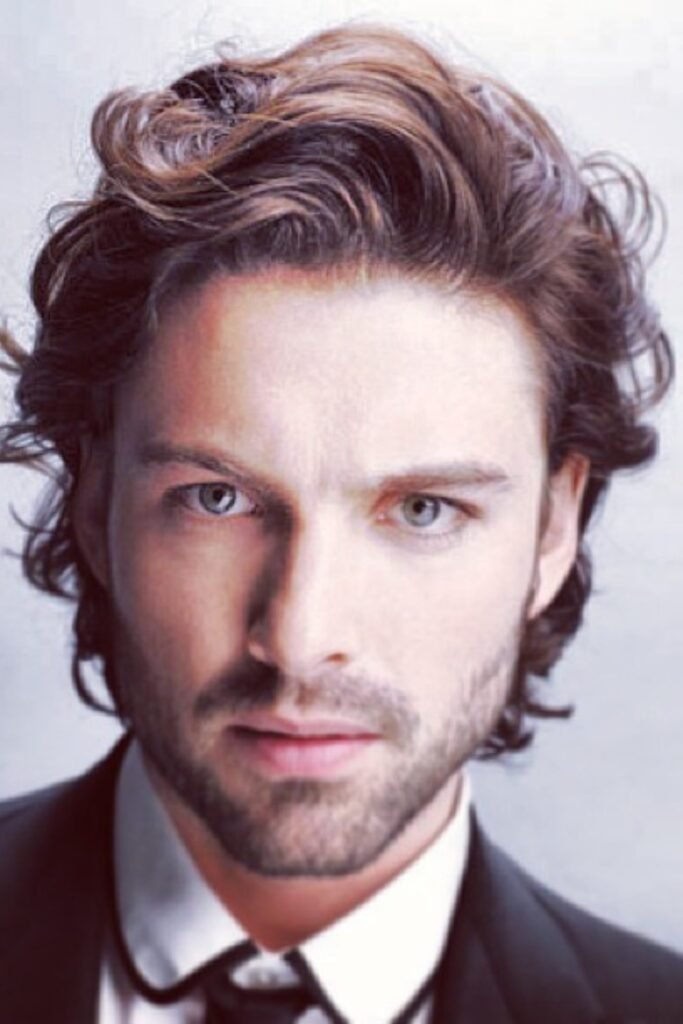
When you add clean sides, you instantly change how this flow haircut feels on you.
You keep the length and movement on top and at the back, but you lightly taper the sides so your hair doesn’t sit bulky around your ears.
This is a great option if you want flow but you still want a sharp profile when someone looks at you from the side.
To get this look, you can keep growing the top and back, and you should ask your barber for a low taper that blends smoothly without cutting into the flow you’re trying to keep.
Relaxed Wavy Flow
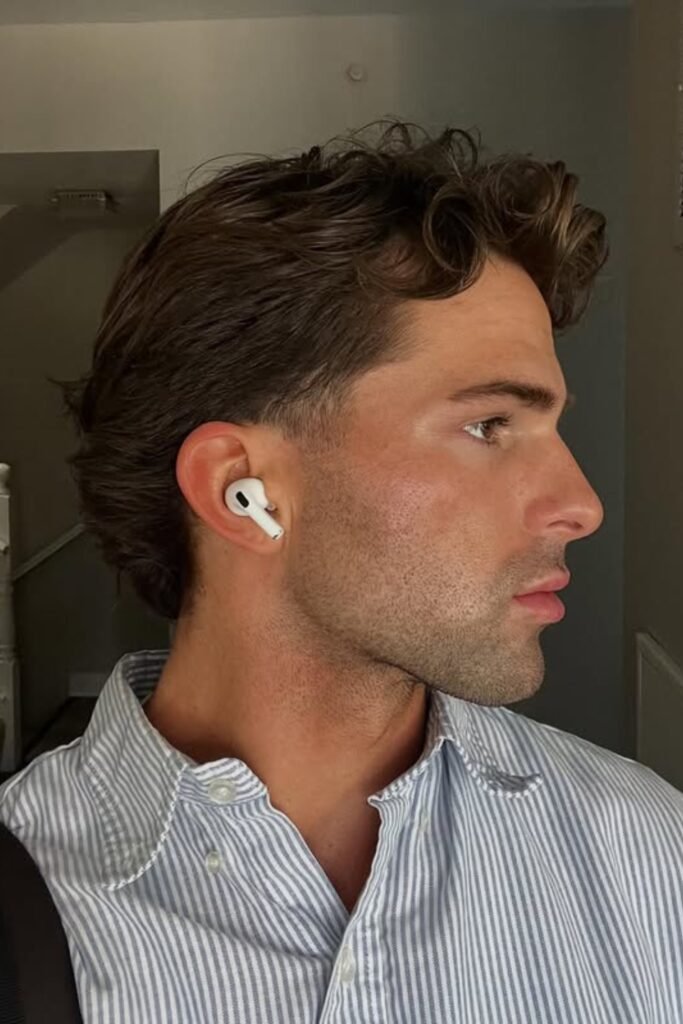
If you have natural waves, you’ll notice they do most of the work for you.
That’s why this flow haircut feels easy instead of styled. You keep the length even around the sides and back, and you let your waves bend naturally without forcing sharp tapers.
This works especially well if your hair gets thicker as it grows and you don’t want to style it every single day.
When you recreate it, you should avoid over-layering and you can use a light leave-in or cream so your waves stay soft instead of puffy.
Structured Flow Sweep
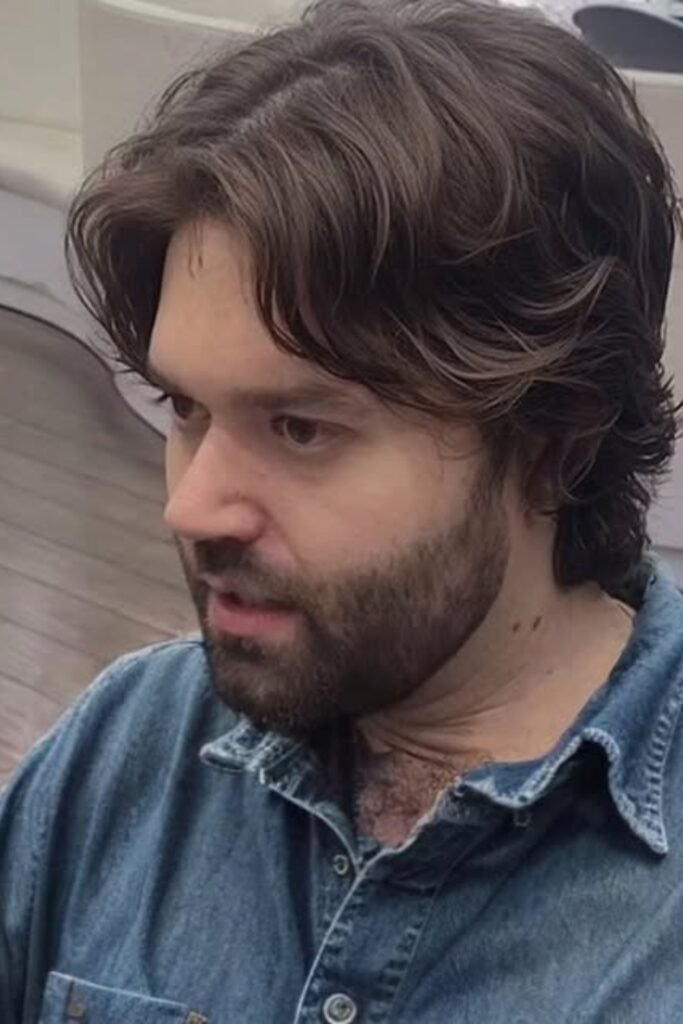
What separates this look from messy grow-out is control, and you’ll feel that difference right away.
Your hair stays long enough so you can sweep it back smoothly, but it’s shaped so each layer sits where it should instead of collapsing.
This usually works best when your hair is straight or slightly wavy and you notice it looks flat once it gets long.
If you want this version, you can ask for clean layering through the top and crown, keep the sides natural, and you should guide the hair back with a light blow-dry so it falls the way you want.
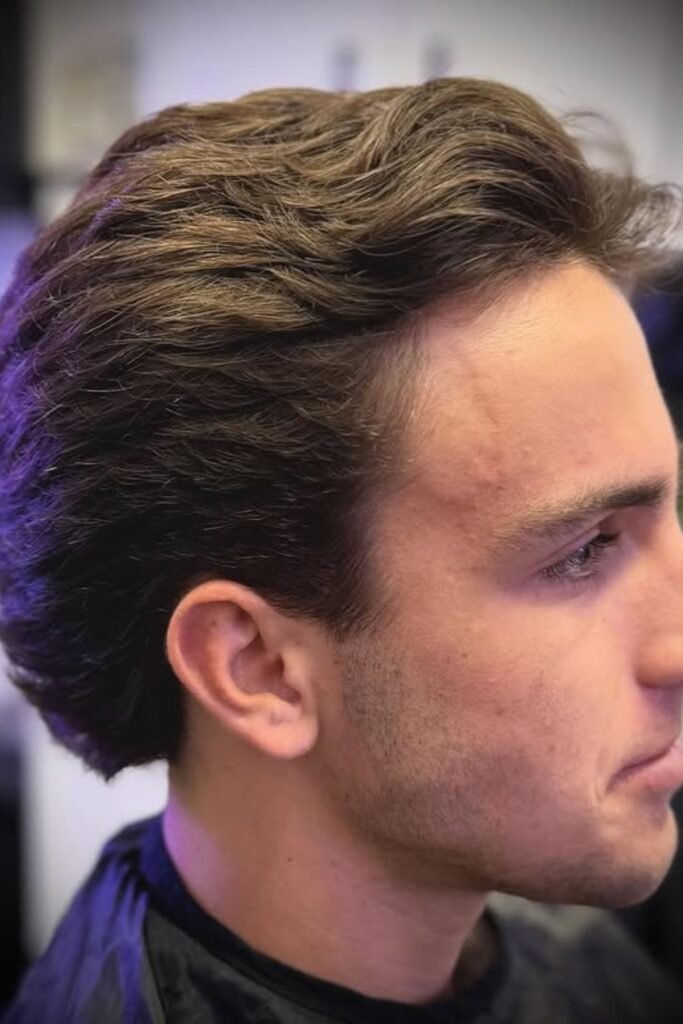
Full Back Flow
Instead of tapering it too tight, you leave it long enough so it can bend and stack naturally at your neckline.
This works best when your hair grows straight or slightly wavy and you want a true flow from front to back.
To recreate it, you should avoid short neck trims and you can ask your barber to keep the back connected, with just enough shaping so it doesn’t flip out as it grows.
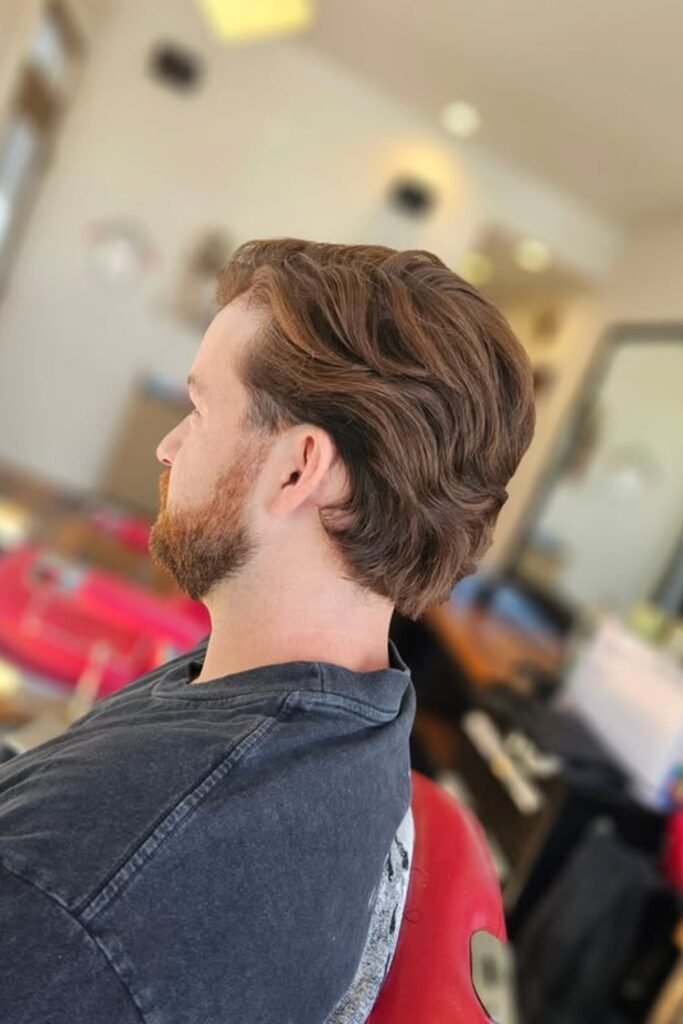
Clean Back Flow
You can usually tell if a flow haircut is intentional just by looking at the back.
In this version, you keep the length full, but you shape it so it follows your head instead of sticking out at the neck.
This is ideal if you want flow but you don’t want it to look sloppy on you.
When you ask for it, you should keep the back connected to the sides and only lightly taper the very bottom.
If you skip hard neck lines, your hair can move naturally as it grows.
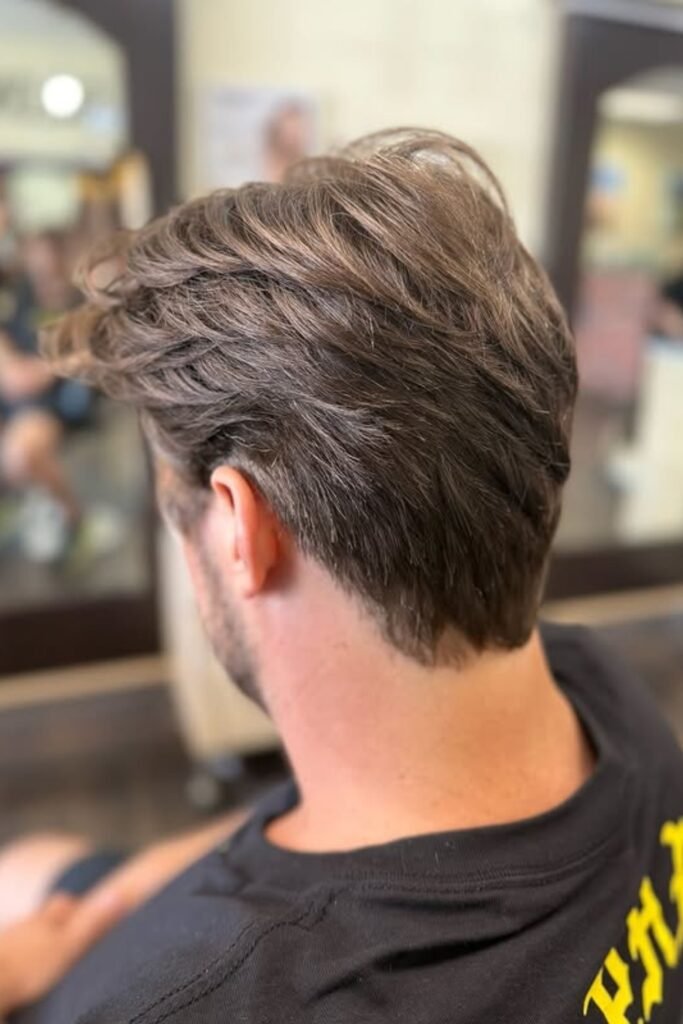
Soft Short Flow
When you go shorter, you don’t have to give up flow completely.
You keep just enough length on top and through the sides so your hair can bend back instead of standing straight up.
This works well if you want the flow look but you don’t want to commit to long hair or a long grow-out phase.
You should keep the sides scissor-cut instead of faded, and you can let the top reach a length where it tucks back with very little product.
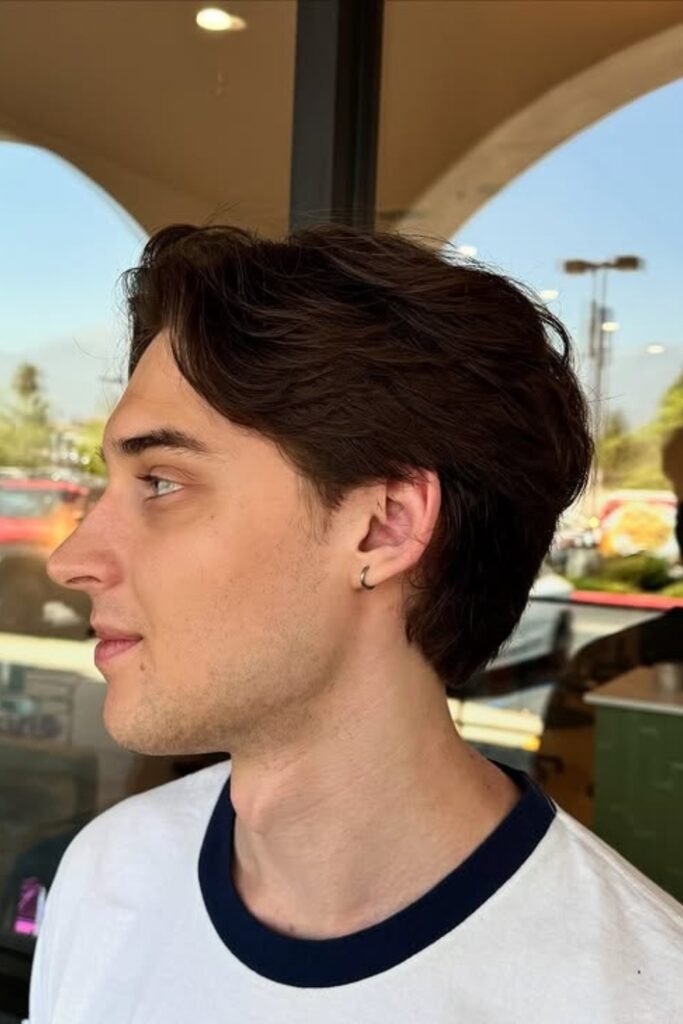
High Volume Flow
When you add volume, you change the entire personality of your flow haircut.
You push the hair back with enough length and layering so it lifts instead of lying flat.
This usually works best if your hair is thick or straight and you notice it holds shape easily.
To recreate it, you can grow the top longer than the sides, ask for structured layers, and you should use a blow dryer to guide the hair backward.
If you keep products light, your movement will stay natural instead of stiff.
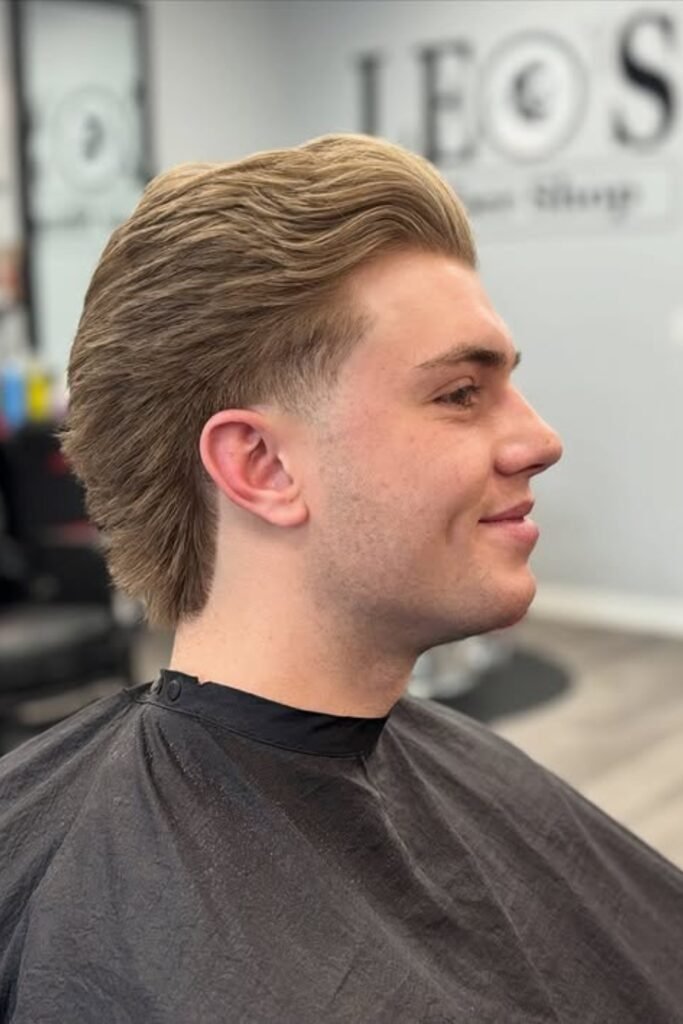
Curly Flow Shape
When you have curls, the rules change for you. Your texture creates the flow on its own, so the haircut focuses more on balance than direction.
You keep the back full, you don’t push the sides too tight, and you let the curls stack naturally instead of spreading out.
This works best if your curls shrink when cut short.
You should keep length through the crown and back, avoid fades, and you can use a curl cream so your shape stays controlled without losing movement.
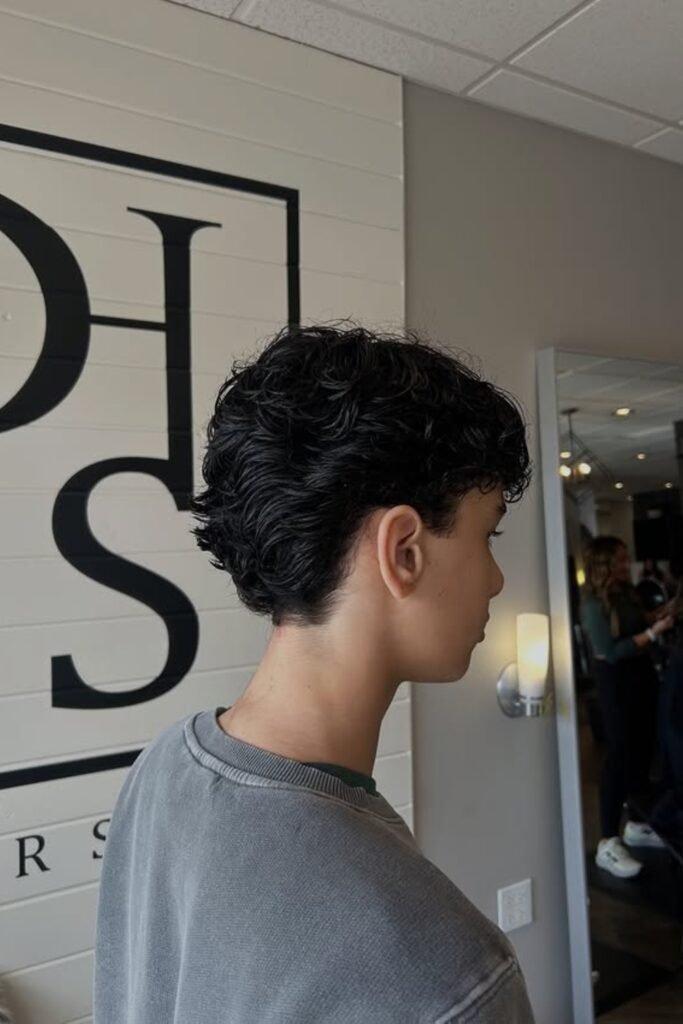
Fade Flow Blend
You might think sharp sides cancel out flow, but when the blend is done right, you can have both.
You keep the fade low and clean while the top and back stay long enough to move naturally. This works well if you want a modern look without losing that relaxed flow feel.
When you ask for it, you should go for a low fade that stops below the temple and keep the top long enough to sweep back.
If you avoid high fades, you won’t break the flow.
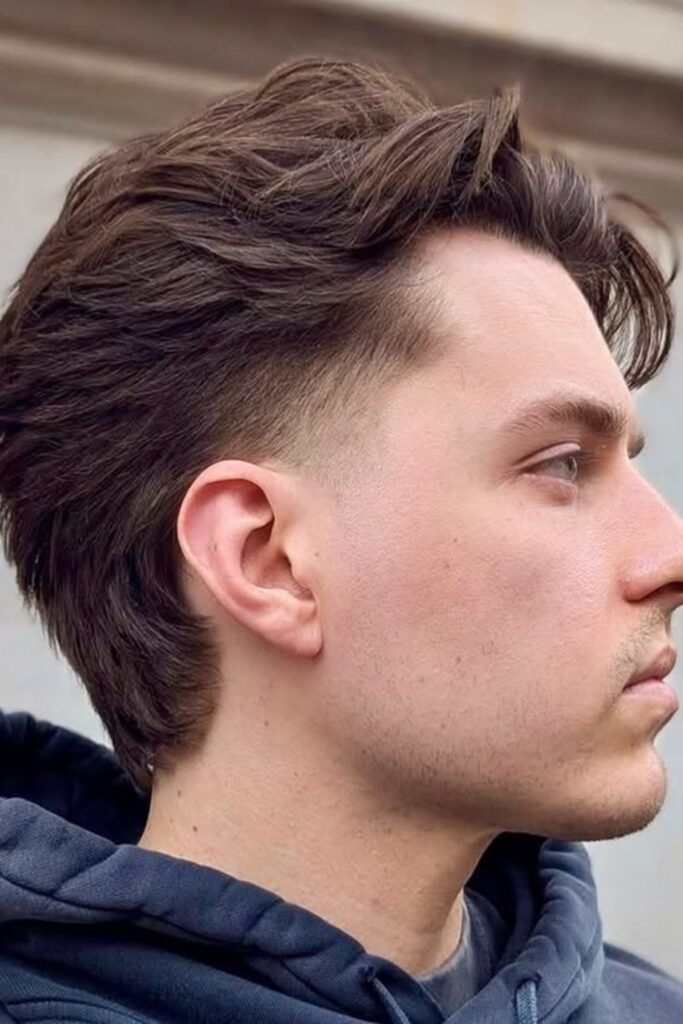
Short Flow Crop
When you decide to go shorter, you don’t have to worry about losing the flow as long as you get the direction right.
You keep the top long enough so you can sweep it back, while you let the sides stay tight and clean to keep everything looking sharp on you.
This is a great choice if you want something low-maintenance but you still want to feel styled.
When you blow-dry it back quickly, you’ll notice that’s already enough to set the shape, no heavy product needed.
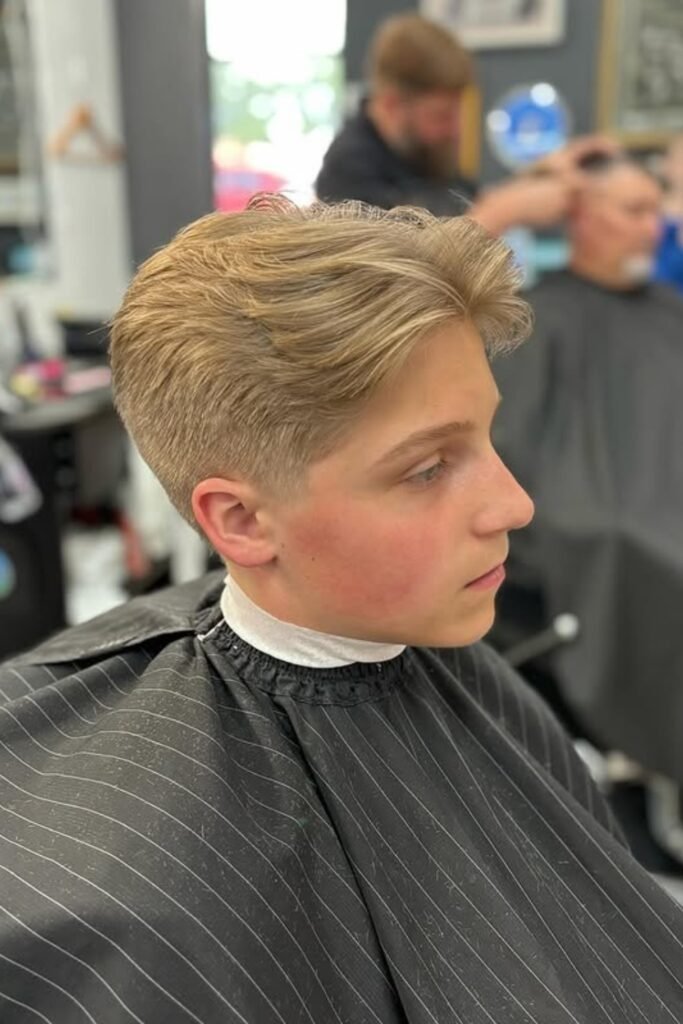
Center Part Flow
When you wear a middle part, you let the hair fall evenly on both sides, which helps you keep the flow controlled instead of messy.
This style suits you best if your hair is straight or lightly wavy and naturally separates as it grows.
If you want to recreate it, you can let the front grow to cheek length, keep the sides scissor-cut, and you should avoid fades.
When you use a light cream and finger-comb it, you allow the part to form naturally instead of looking sharp or forced.
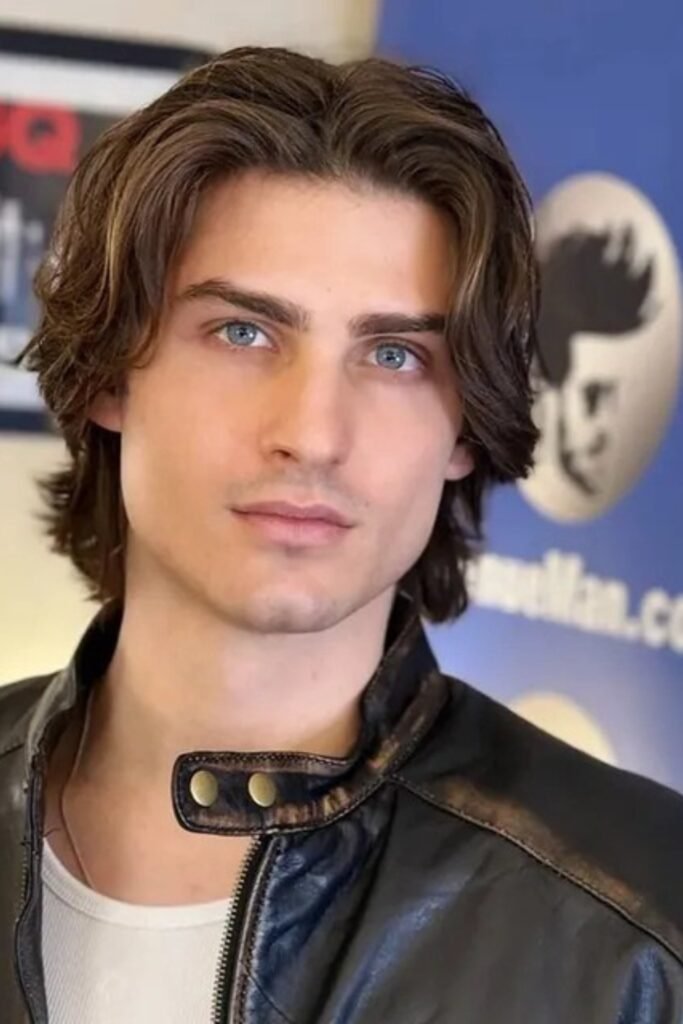
Thick Back Flow
You keep the back and sides full, and you let the weight create its own shape instead of collapsing on you.
This works best when your hair is thick and you’ve noticed it puffs up when cut too short.
To recreate it, you should keep length through the crown and neckline, skip tight tapers, and only ask for light layering where your hair feels heavy.
When you let your natural texture do the work, you’ll find that minimal styling works better than overdoing it.
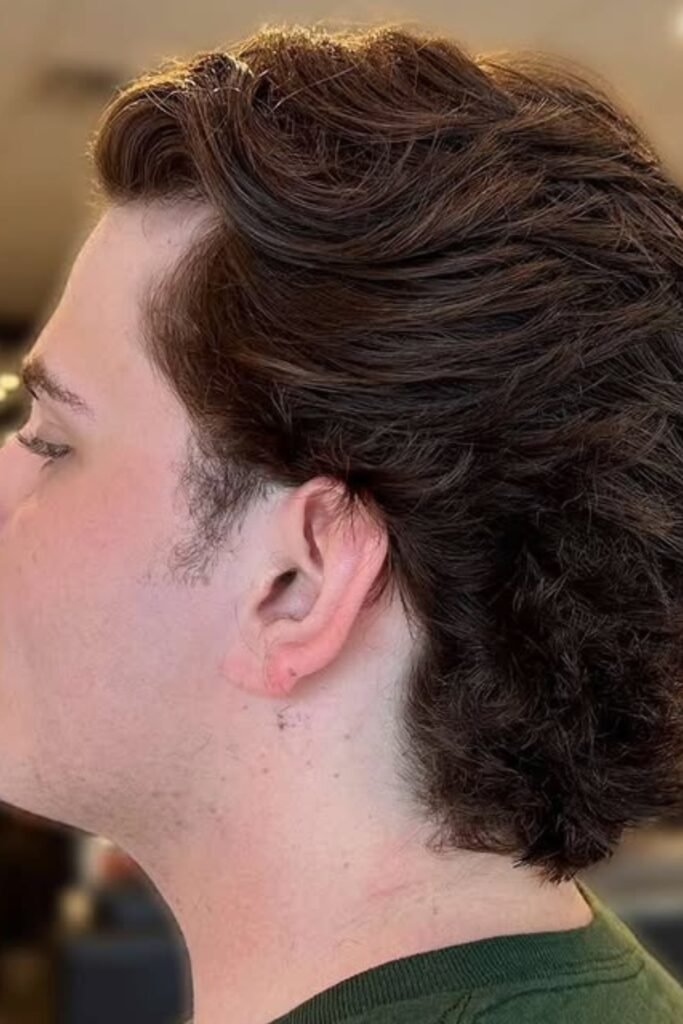
Polished Flow Cut
If you want flow that still feels sharp on you, clean edges make all the difference.
You keep the sides neat and controlled, while you let the top stay long enough to sweep back without puffing up.
This works well when you want a professional look but you don’t want to lose movement.
To recreate it, you should ask for a low, tidy taper on the sides and back, keep length on top, and guide the hair back with a quick blow-dry.
When you skip heavy products, you keep the finish smooth and natural.
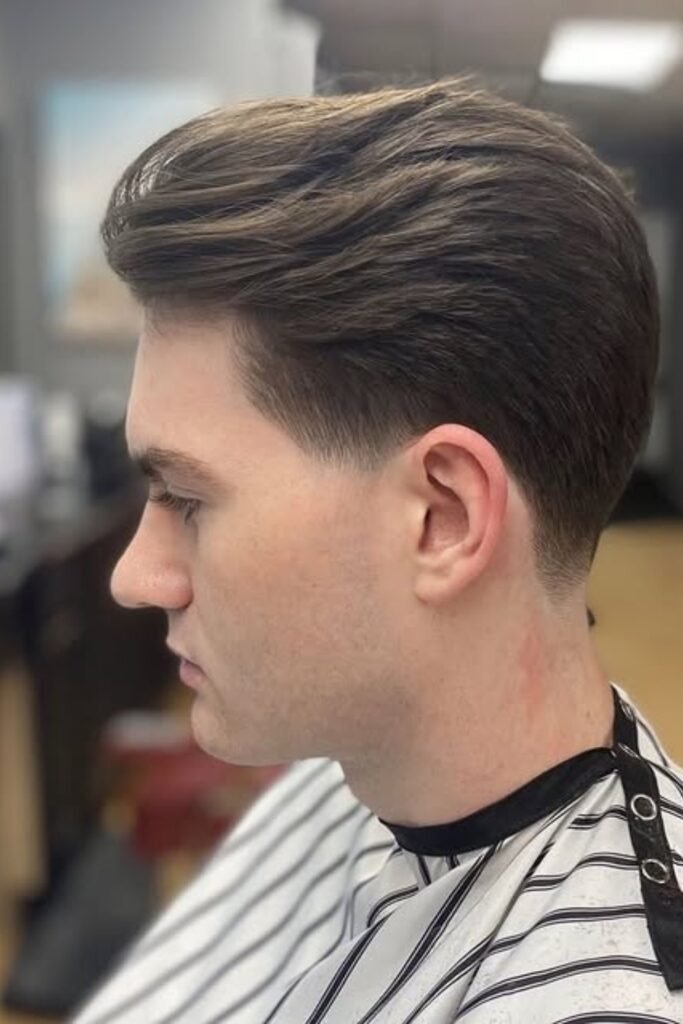
Long Bro Flow
With this style, you let the length speak for you. You grow your hair out enough so it can sweep back and sit naturally around your neck, giving you that relaxed, confident bro-flow vibe.
This works best if you’re patient during the grow-out and your hair has a natural bend.
You should avoid tight trims, keep the sides scissor-cut, and only shape the ends.
A light cream or sea salt spray can help you guide the hair without weighing it down.

Natural Back Flow
When you go for this look, movement is doing the work for you. You leave the back long enough so it can move freely, but you still shape it so it follows your head instead of flaring out.
This is a solid option if you want low effort but you still want the back to look intentional.
You can skip tight neck tapers, keep the back connected, and let your hair dry naturally most days.
A light cream is all you need to control flyaways without killing the movement.
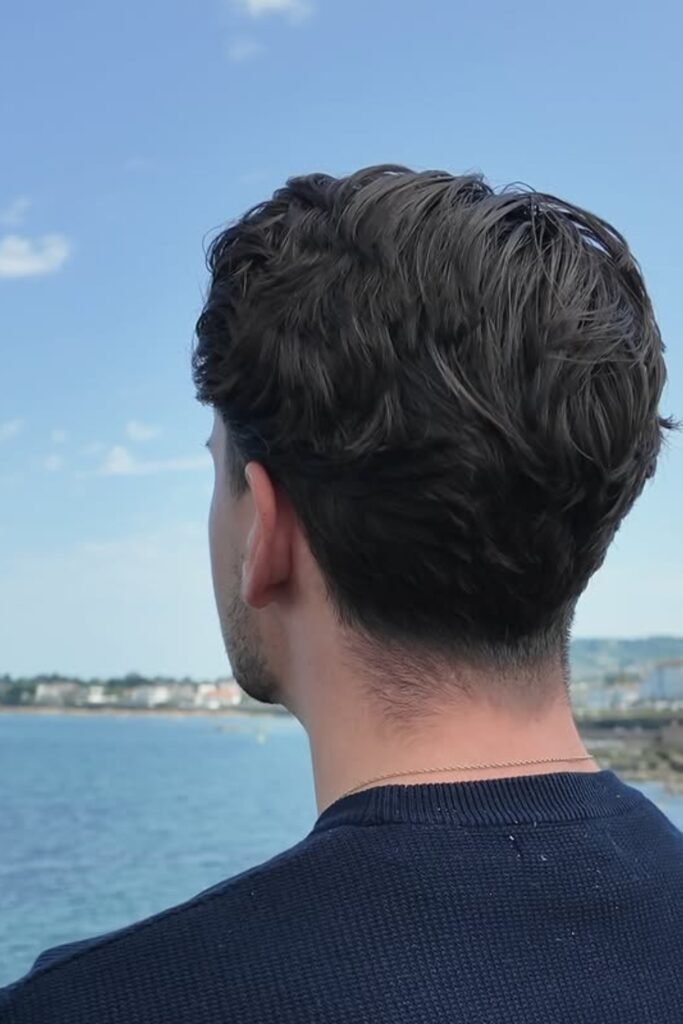
Sleek Formal Flow
When your outfits are sharp, your flow needs more control. You keep the hair long enough to move back, but you make sure it doesn’t look wild or casual on you.
This works best if you want flow that still fits formal settings. To recreate it, you should keep the sides scissor-cut and slightly shorter than the top, with light layering for control.
When you blow-dry it back on low heat and finish with a tiny bit of cream, you keep everything smooth without adding shine.
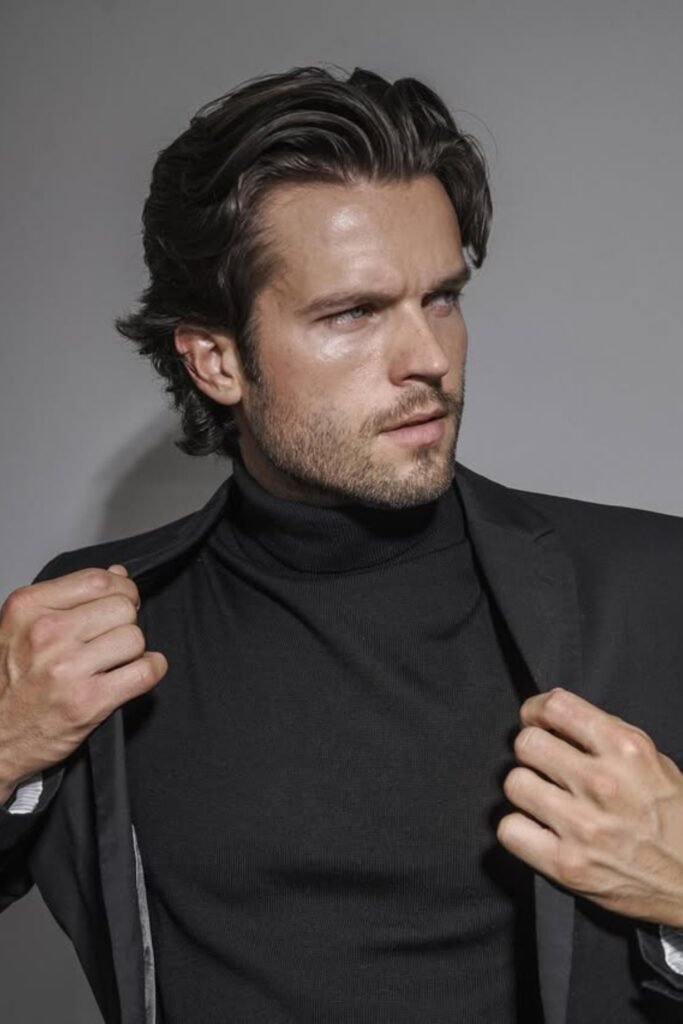
Textured Back Flow
You leave the back full, but you lightly break up the ends so the hair moves instead of stacking into one block.
This works well if your hair already has some grit or wave and you don’t want a polished finish.
You can ask for soft texturizing through the back and crown, keep the neckline natural, and style with your fingers instead of a brush.
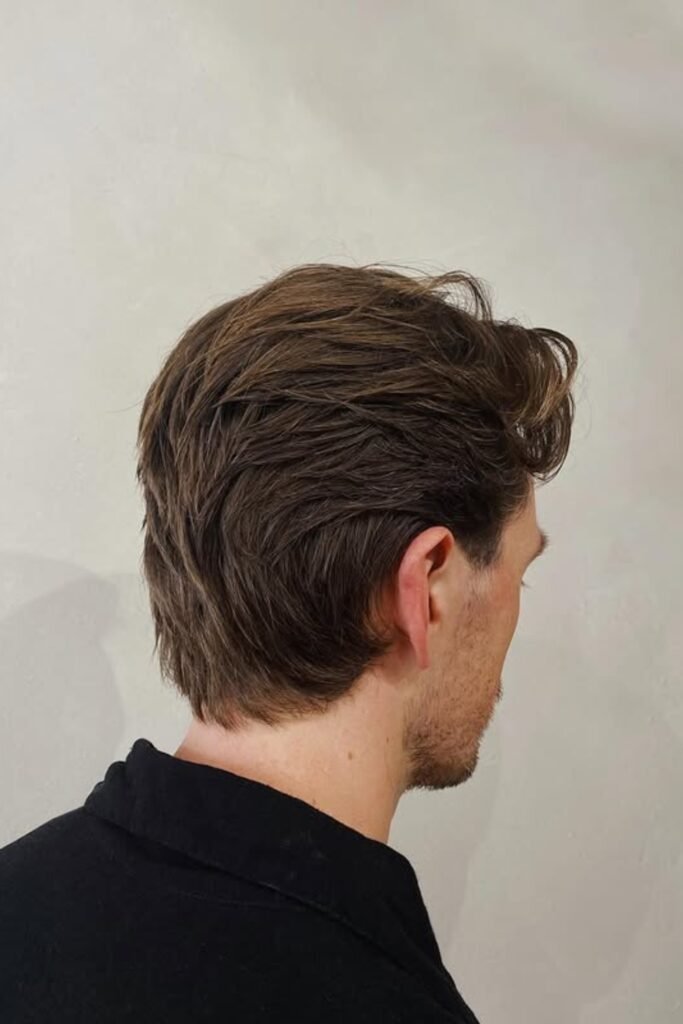
Mature Classic Flow
As you get older, flow needs a little more intention, and this cut understands that.
You keep the length controlled, with just enough movement to soften your face without looking messy or too youthful.
This works best if your hair has started thinning slightly or has developed natural texture over time.
To recreate it, you should keep the sides scissor-cut, avoid sharp fades, and ask for subtle layering.
When you style it back loosely, it looks intentional instead of forced.
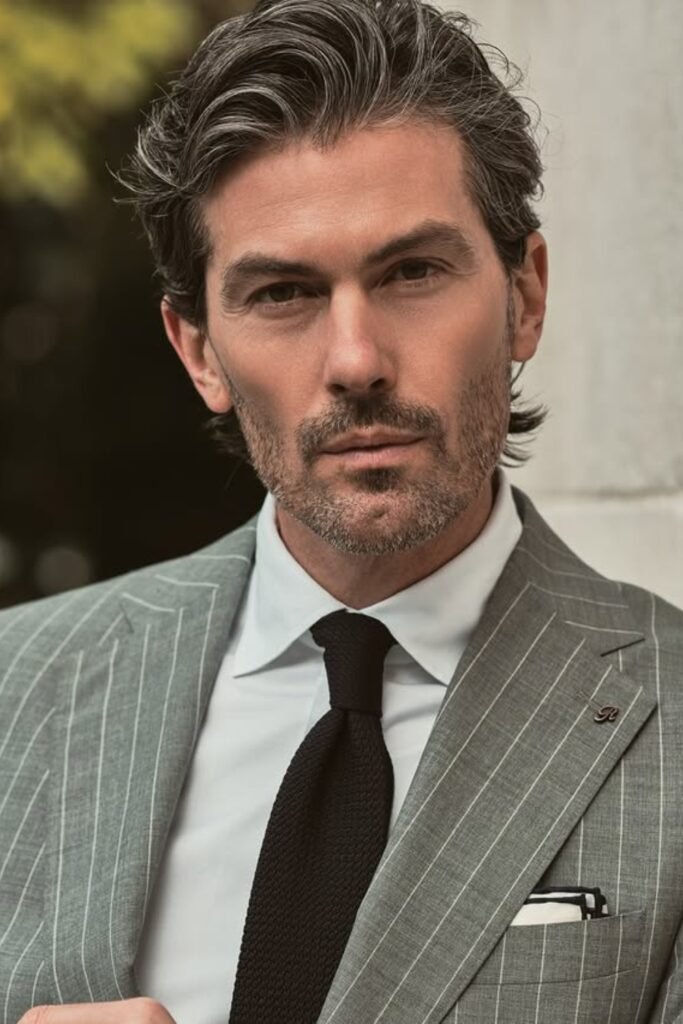
Casual Loose Flow
This style works for you because nothing feels overdone.
You leave the hair long enough to move freely, and you keep the shape relaxed so it still looks good even when you don’t style it perfectly.
It’s ideal if you want flow that fits your everyday life. You can keep the sides and back connected, avoid sharp cleanups, and let your hair air-dry whenever possible.
A small amount of lightweight cream helps you control frizz while keeping the movement natural.
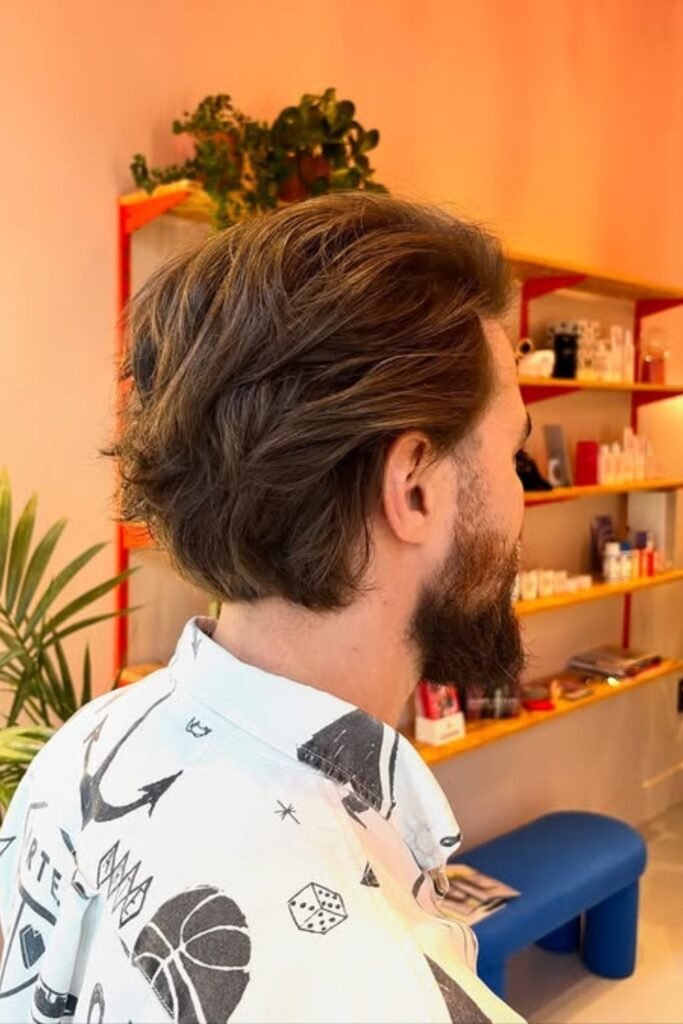
Youthful Soft Flow
You let the length sit evenly around the sides and back, allowing the hair to frame your face without feeling heavy.
This works well if your hair has natural movement and you want something relaxed but still intentional.
You should keep everything scissor-cut, avoid sharp tapers, and let the front grow long enough so it bends back on its own.
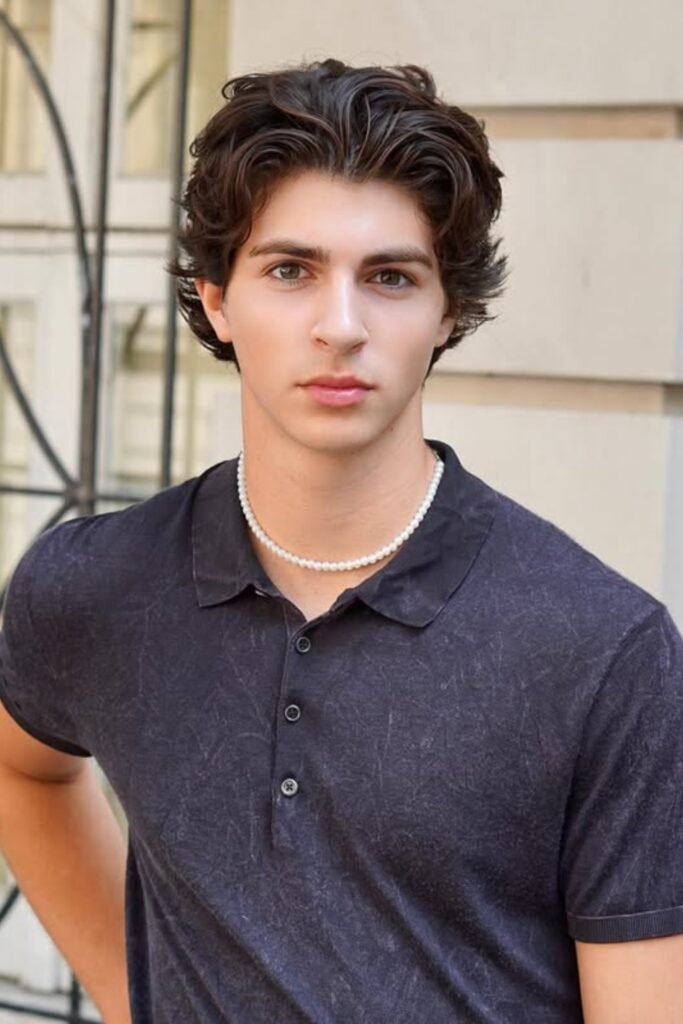
Wavy Everyday Flow
You let them push the hair back naturally, with enough length to sit around your ears without looking bulky.
This works best if your hair already has some bend and you don’t want to fight it every morning.
You can keep the cut scissor-only, leave the sides slightly longer, and avoid tight tapers.
When you let it air-dry most days and only use cream when needed, the waves stay natural.
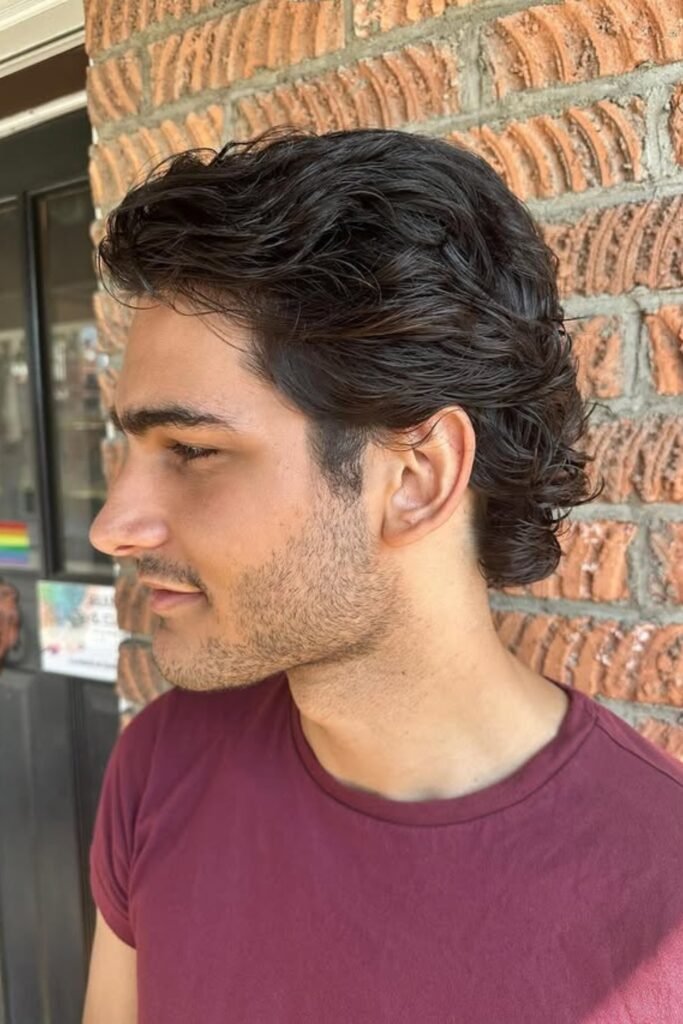
Messy Flow Layers
If you like a lived-in look, imperfection is actually what makes this work for you.
You keep the layers loose and uneven on purpose so the hair moves without trying too hard.
This works best if your hair has natural texture and you’re okay with a slightly messy finish.
To recreate it, you should keep the cut scissor-only, ask for soft layering throughout, and avoid clean necklines.
When you let it dry naturally and stop over-styling, it looks better on you.
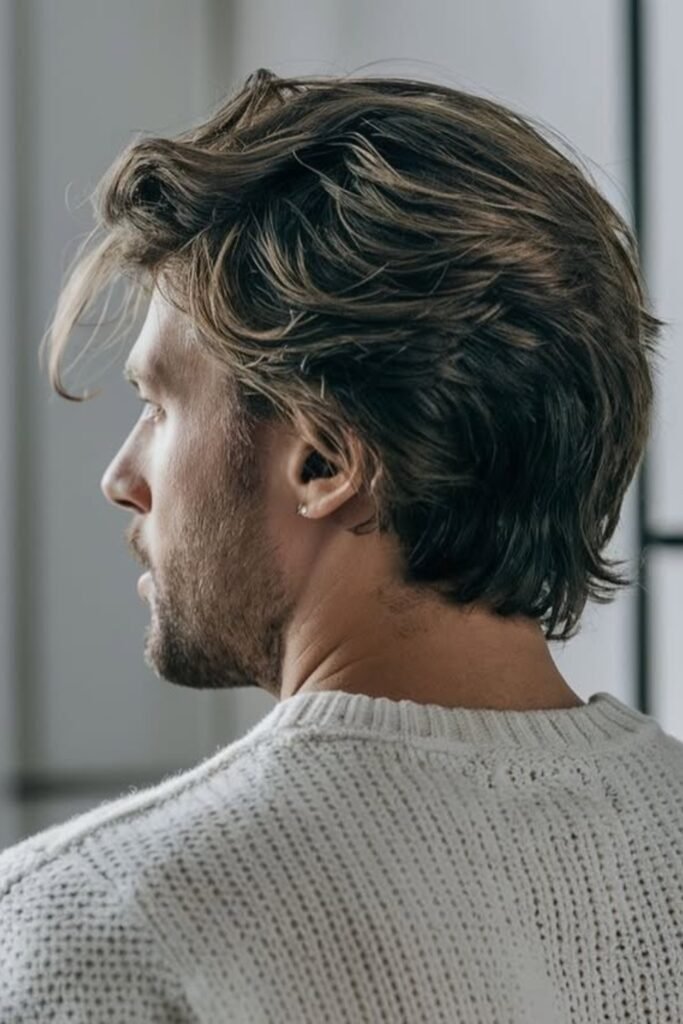
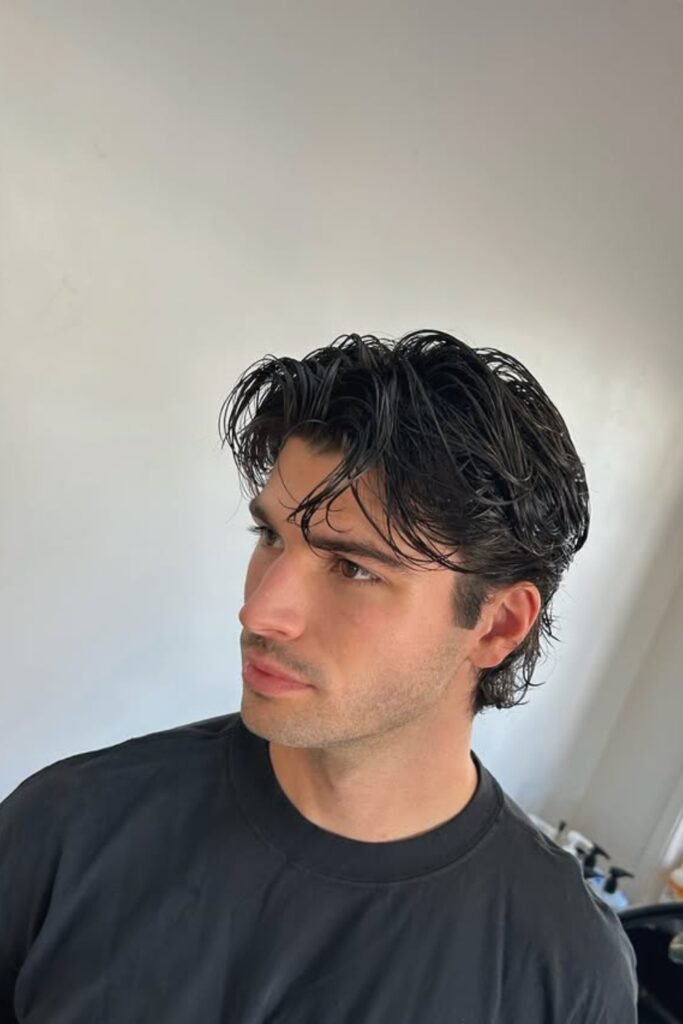
Wet Look Flow
When you add shine, you completely change the mood of your flow.
You keep the length, but the damp finish helps the hair stay controlled and closer to your head instead of fluffy.
This works best if your hair is straight or lightly wavy and you like a sharper look.
To recreate it, you can keep the sides natural, avoid over-layering the top, and apply a light cream or gel to towel-dried hair.
When you let it set on its own, the look stays clean and intentional.
FAQs
Does a flow haircut work for all hair types?
Yes, but you should know it looks different on everyone.
If you have straight hair, you can get a smoother, more controlled flow, while wavy or curly hair will give you natural movement on its own.
The key is that you can adjust the length and layers to match how your hair naturally behaves, instead of forcing it into a shape it doesn’t want to hold.
When you work with your hair instead of against it, you can actually get a look that feels effortless and intentional every time.
How long does it take to grow a proper flow haircut?
Most people need about three to five months before you can see your hair start to flow instead of sticking out.
During that time, you should avoid short trims and only clean up the ends or neckline when you really need to.
When your hair finally reaches ear length and starts falling back naturally, you’ll notice the flow begin to take shape, and you can actually start enjoying how it moves without forcing it.
