
23 Butterfly Garden Ideas for 2026
It can be disheartening to see butterflies fly by your yard without pausing.
This is a common mistake many gardeners make, because butterflies require much more than beautiful flowers.
A few small alterations can convert a silent flower bed into a dynamic environment.
In this article, I’ll show you 23 Butterfly Garden Ideas you can recreate beautifully.
Let’s jump in!
Why Are Butterflies Ignoring My Garden Despite Plenty Of Flowers Today?
If you see pretty blooms and no butterflies, it’s frequently a sign that your garden lacks something they really want.
Many gardeners focus primarily on blooms but butterflies also seek out sunny sites, shelter from strong wind, safe places to lay eggs and flowers blooming.
Your garden may be gorgeous, but it won’t be as appealing if you spray pesticides or plant only one kind of flower.
Once you know what butterflies love beyond dazzling color, minor modifications can make a significant effect.
The suggestions below will assist you to create a garden that looks gorgeous while providing butterflies lots of reasons to visit and remain.
Butterfly Beds
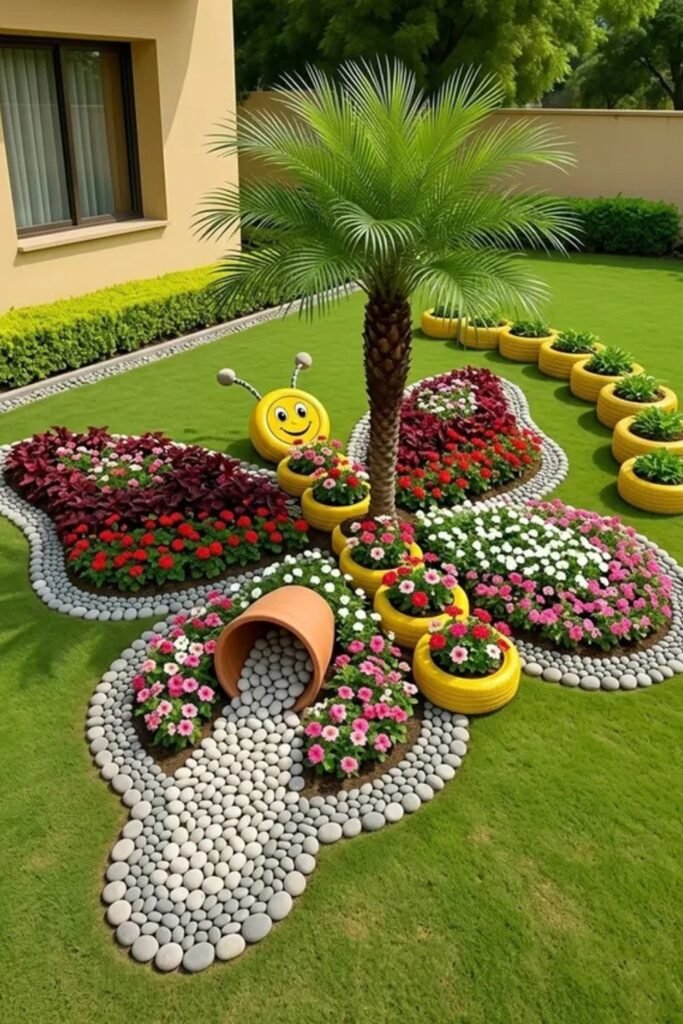
Turning your lawn into a butterfly-shaped flower bed instantly creates a centerpiece that feels playful without sacrificing elegance.
Front yards and open garden spaces are particularly good as the design is eye catching from all angles.
Make the wings with curving stone edging, plant each segment with beautiful nectar-rich flowers and put a small ornamental tree in the center for height.
Complete the show with a stylish pebble pathway or pointed planter to provide movement and give the entire butterfly garden a polished, eye-catching finish.
Garden Retreat
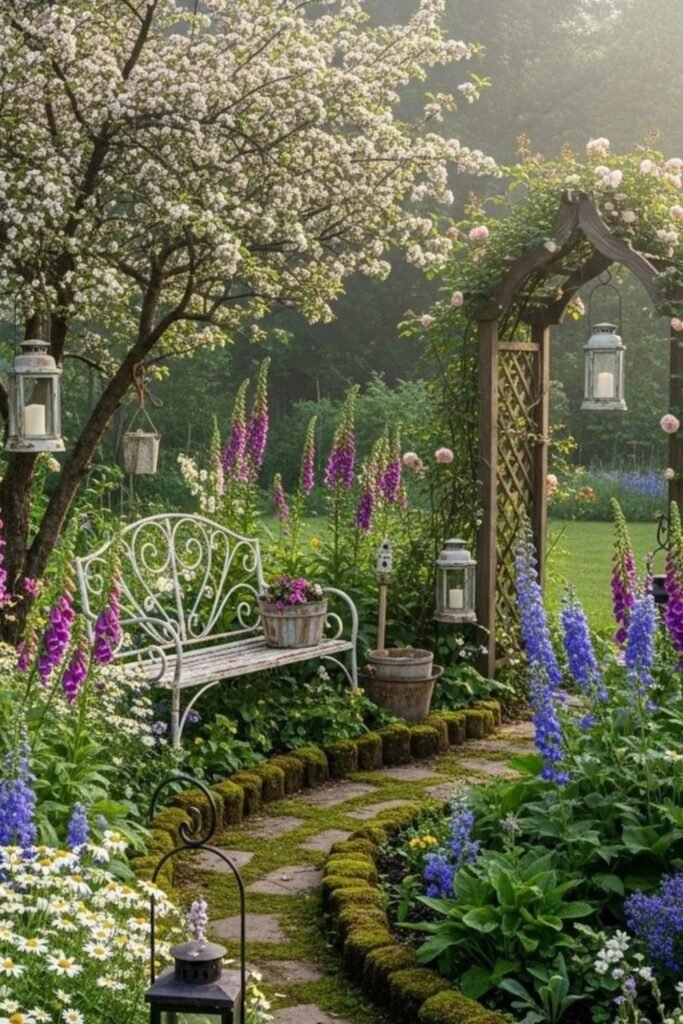
Nothing invites you to slow down quite like a quiet seating nook surrounded by layers of blooming flowers.
For a quiet nook in a backyard or large side garden, place a stylish bench beneath a blossoming tree and surround it with an arbor of climbing roses.
Put tall, nectar-producing plants next to shorter flowering plants along a curving stone walkway so butterflies have plenty of places to feed at different heights.
Hanging lanterns and moss-edged pathways enhance the storybook sense while making sure the place is just as fun to rest in.
Blooming Path
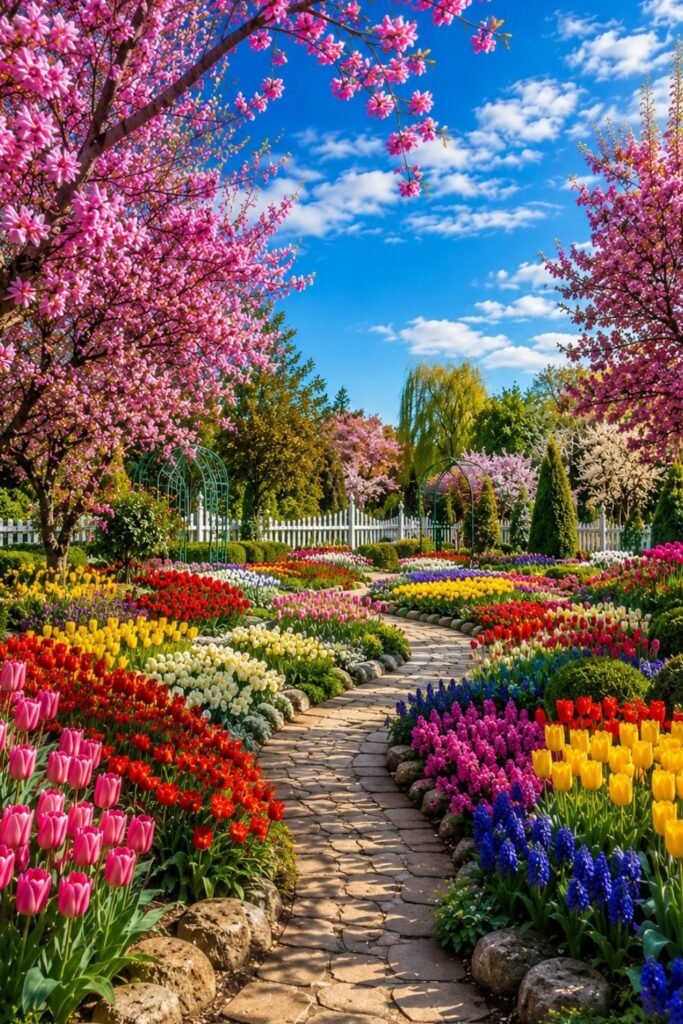
Walking through a flower-lined pathway makes the entire garden feel alive while giving butterflies plenty of places to stop along the way.
Curved walks like this are perfect for medium to big backyards since they naturally lead guests around various planting beds.
Repeat bright flower colors in broad sweeps, line the route with natural stones and add flowering trees overhead for spring interest and soft afternoon shade.
By planting a mix of early, mid and late season blooms, you’ll keep the show colorful longer and attract butterflies to visit throughout the growing season.
Tree Sanctuary
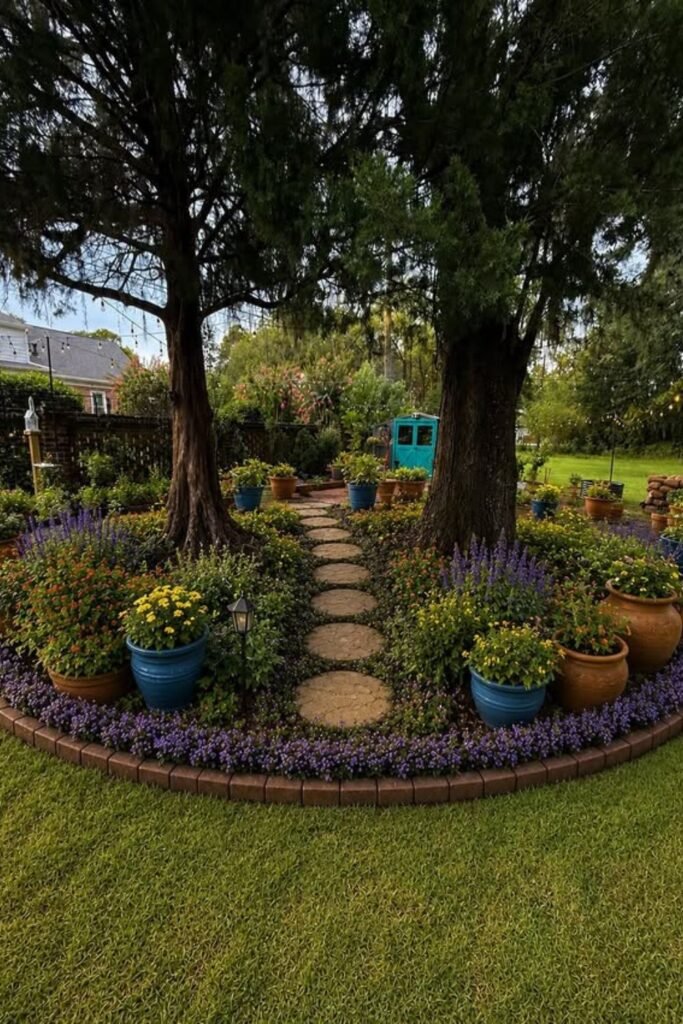
Mature trees can become the heart of a butterfly garden when you surround them with layered blooms instead of leaving bare ground underneath.
Circular beds like this one are ideal in large backyards, providing a cool hideaway for butterflies to rest after they have fed in sunny places nearby.
Create a border with brick edging, add in stepping stones for ease access, and use bright blooming plants with beautiful containers for height interest.
The tallest flowers are kept closer to the tree while the shorter blooms are arranged around the edge, making the area look full and balanced.
Evening Escape
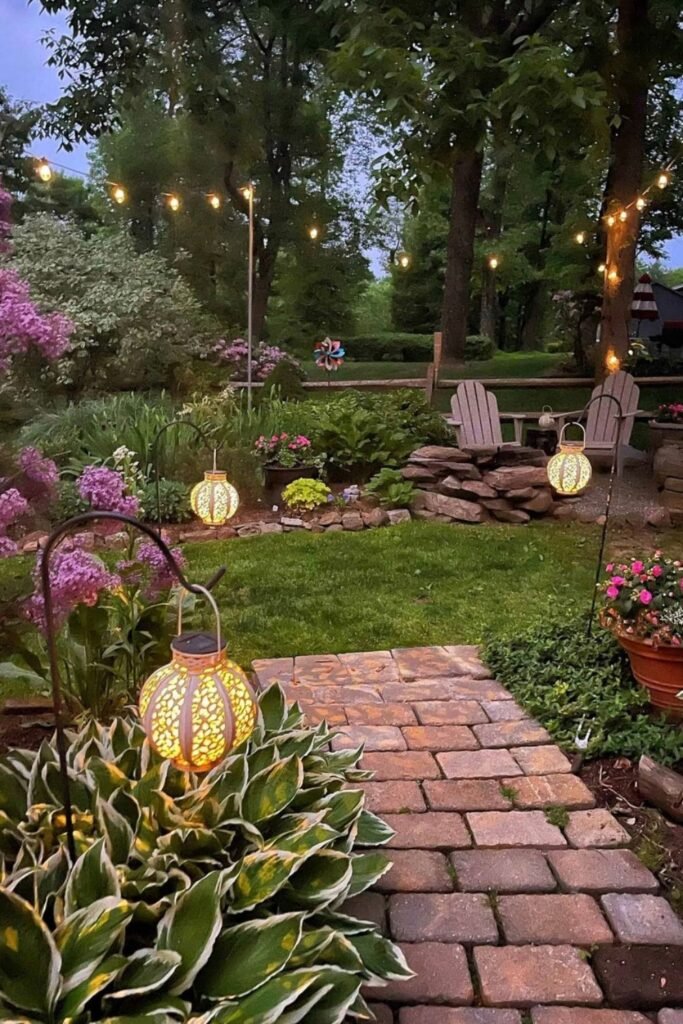
Sunset doesn’t have to end the beauty of your butterfly garden. A pleasant seating nook with warm string lights.
And colorful lanterns allows you enjoy the space even after the butterflies have settled for the evening.
For this scheme, backyard patios or calm garden corners would be great, combining bright planting beds with a soothing area to sit.
Design sitting areas with natural stone, edge nearby borders with long-blooming flowers and use subtle lighting to enhance the garden without overpowering it.
Layered Borders
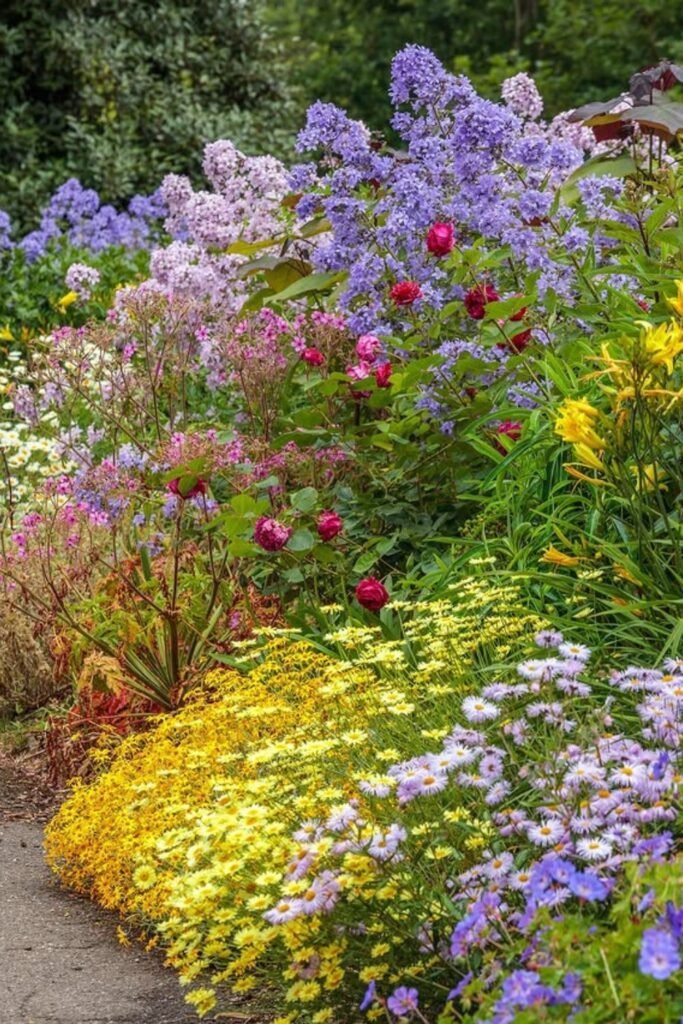
Mixing flowers by height instead of planting everything in straight rows gives your butterfly garden a fuller, more natural look that stays interesting.
This treatment is best for long edges along roads, fences or garden paths, where each tier is visible as the plants grow larger.
Use taller flowering shrubs and perennials in the back, middle blooms in the middle and low growing nectar flowers toward the edge to create depth.
Repeating a few flower colors around the border binds the whole planting together, while offering butterflies wider sections to spot and feed from.
Formal Parterre
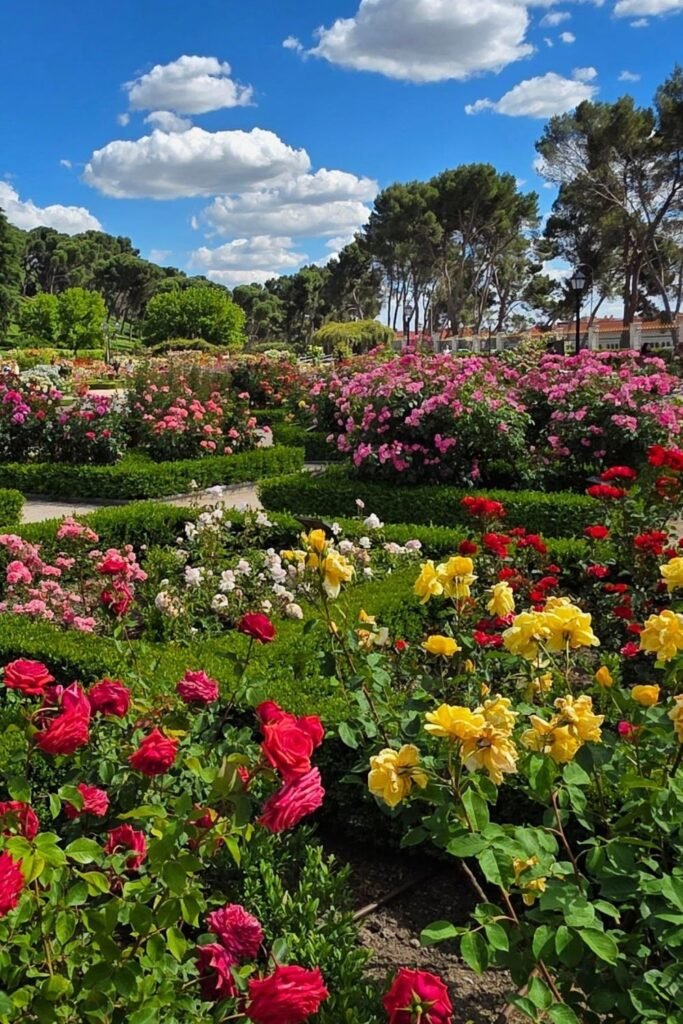
Symmetry can make a butterfly garden feel elegant without losing its wildlife appeal.
This style works best in large front yards and expansive landscapes, where clipped hedges form orderly planting zones and colorful flower beds are the focal point.
Repeat-flowering shrubs in matching sections, surrounded by low evergreen borders, with broad walks between beds for simple care and viewing.
Choose single-petal roses and combine them with other flowers with nectar so that butterflies can access the flowers and to keep the garden polished.
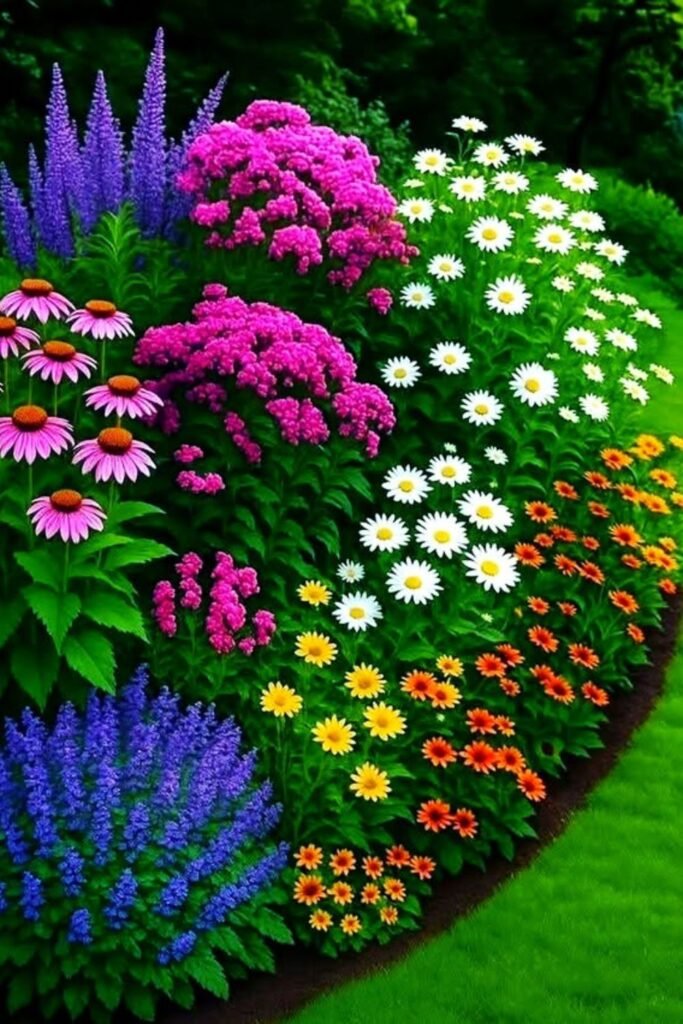
Color Clusters
Grouping flowers by color instead of scattering individual plants makes butterflies notice your garden much faster.
Curved borders along lawns, fences, or walkways are perfect for this planting style because each colorful section creates a bold visual impact.
Choose nectar-rich flowers with different bloom times, planting taller varieties toward the back and shorter blooms along the edge for a layered finish.
Repeating the same colors in generous clusters keeps the border looking full and organized while providing butterflies with larger feeding areas.
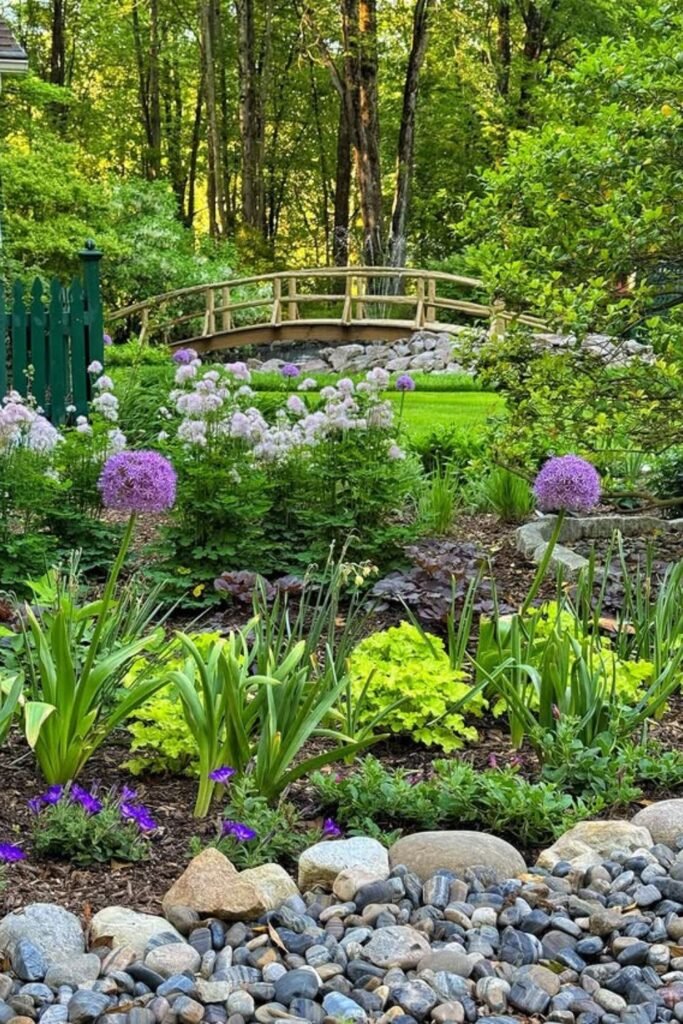
Woodland Haven
Natural surroundings can make a butterfly garden feel established from the very first season.
Garden edges beside mature trees or near a backyard woodland are perfect for this style because taller plants blend smoothly into the landscape.
Mix flowering perennials with ornamental foliage, frame the beds with river rocks, and add a small bridge or stone feature to create a peaceful focal point.
Leaving open sunny pockets between taller plants gives butterflies warm places to feed while the surrounding greenery offers welcome shelter.
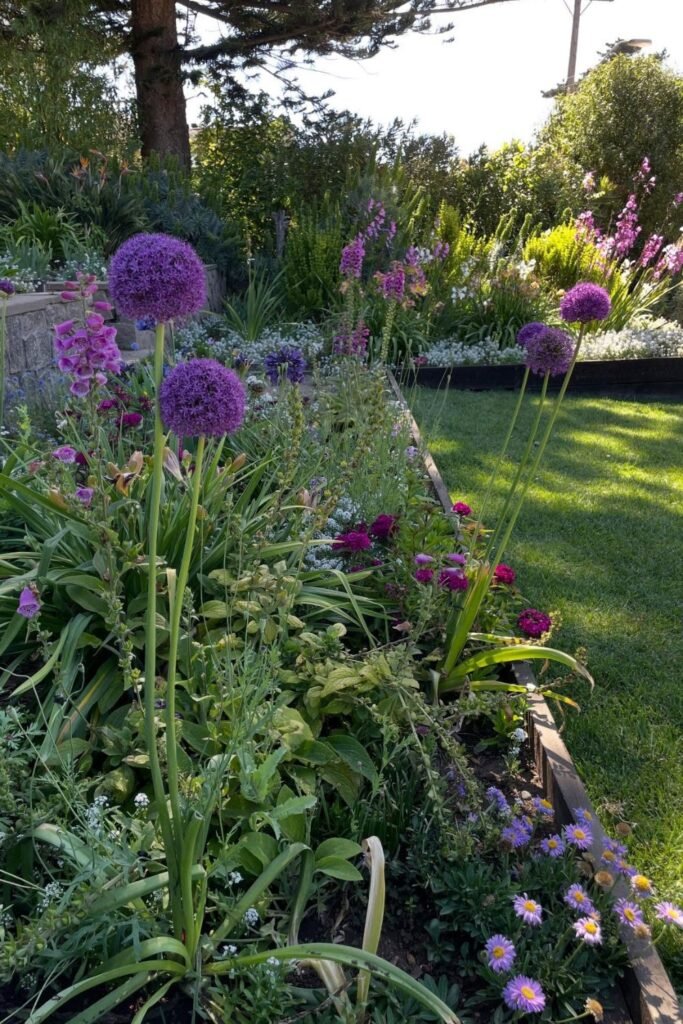
Mixed Heights
Strong butterfly gardens rarely rely on one flower type because different heights create more feeding opportunities and a richer display.
Long border beds beside lawns or property lines are perfect for this layered approach.
Allowing tall ornamental alliums to rise above foxgloves, asters, and lower nectar plants without blocking the view.
Keep larger blooms spaced throughout the bed instead of grouping them in one spot to draw the eye across the entire planting.
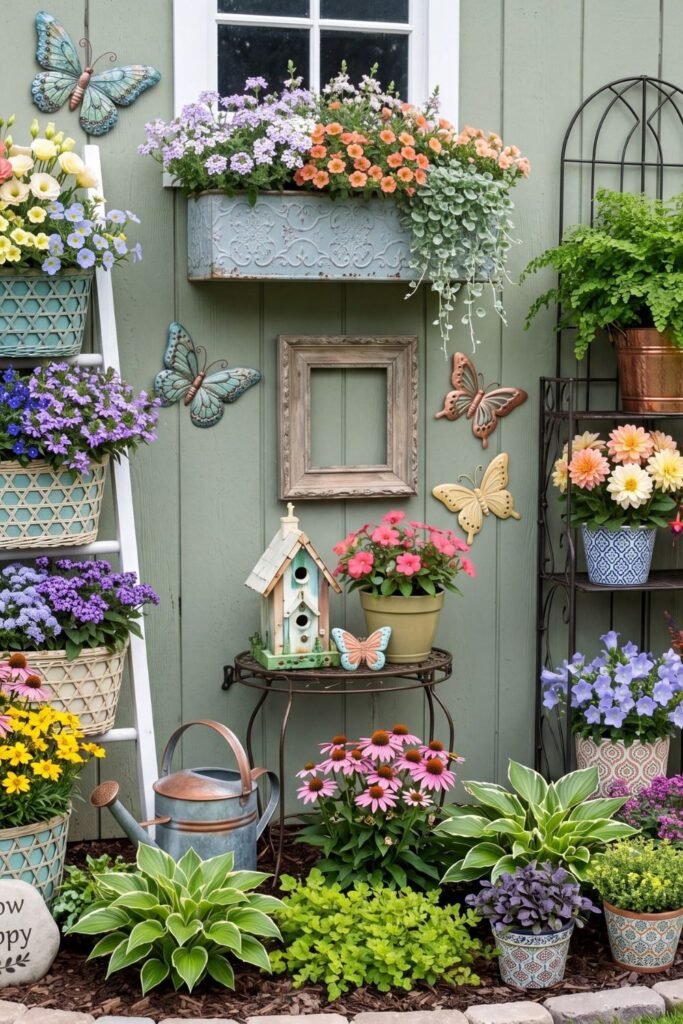
Vertical Display
Blank walls can become butterfly magnets when you turn them into layered planting spaces filled with colorful containers.
This design is best for patios, shed walls, and small backyards since it provides lots of flowers without taking up much ground space.
Mix and match wall-mounted planters, ladder shelves and plant stands to create varying heights, then fill with long-blooming nectar flowers in matching hues.
Butterfly decor, a little birdhouse and green plants top off the display to keep the arrangement vibrant giving your butterfly garden.
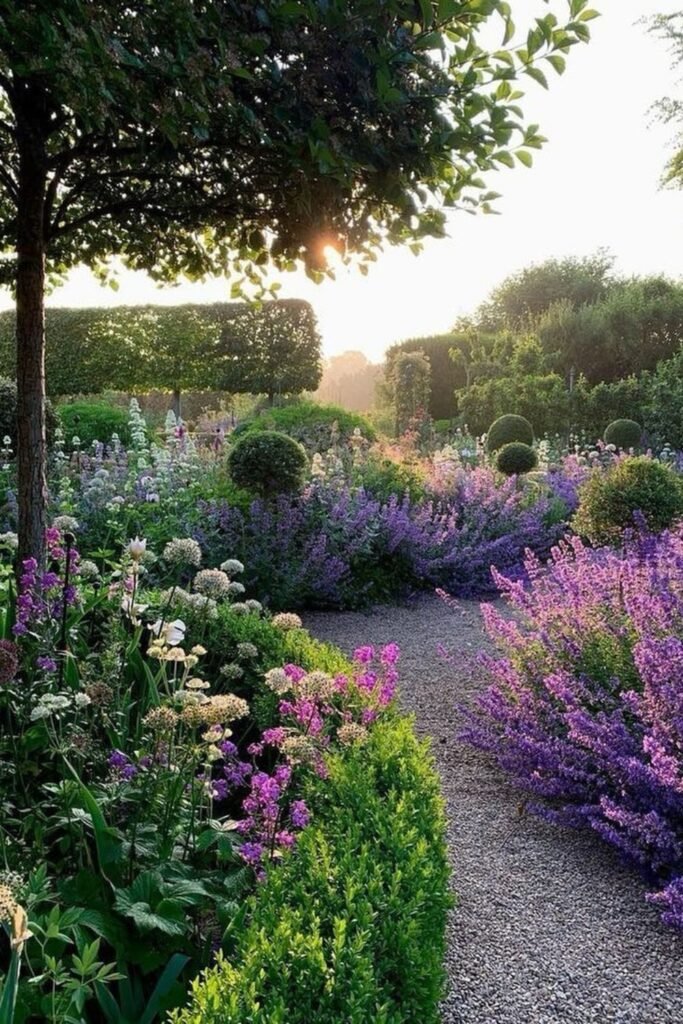
Gravel Path
Winding paths encourage you to explore the garden while naturally leading butterflies through wide drifts of blooming plants.
Spacious backyards and cottage-style landscapes are ideal for this layout because the curved walkway separates dense planting without making the space feel crowded.
Fill both sides with nectar-rich perennials in repeating shades of purple, pink, and white, then use clipped evergreen shrubs to add structure.
Choosing gravel instead of concrete gives the garden a softer, relaxed character while making it easy to extend or reshape as your friendly planting grows.
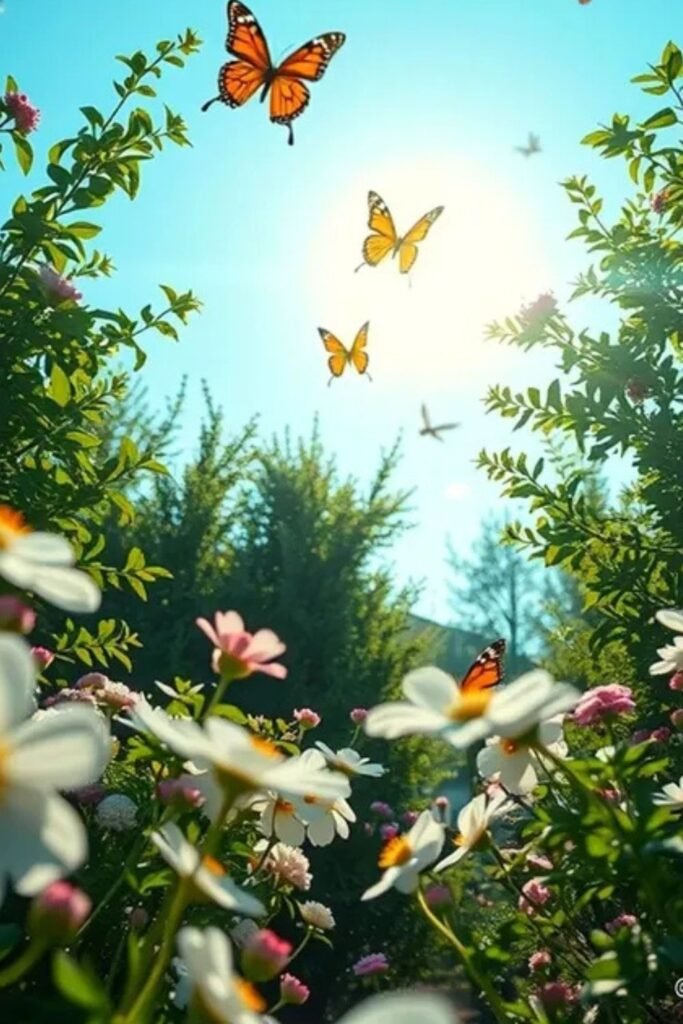
Sunny Haven
Butterflies stay longer when your garden offers open sunshine instead of heavy shade throughout the day.
Choose a bright section of your yard, surround it with flowering shrubs for gentle protection from strong winds.
And fill the center with nectar-rich blooms planted in generous clusters rather than scattered patches.
Mixing daisy-shaped flowers with long-blooming perennials creates a steady food source across the season while leaving clear flight paths between plants.
Keeping the space pesticide-free and adding a few native host plants nearby gives butterflies another reason to return instead of simply passing through.
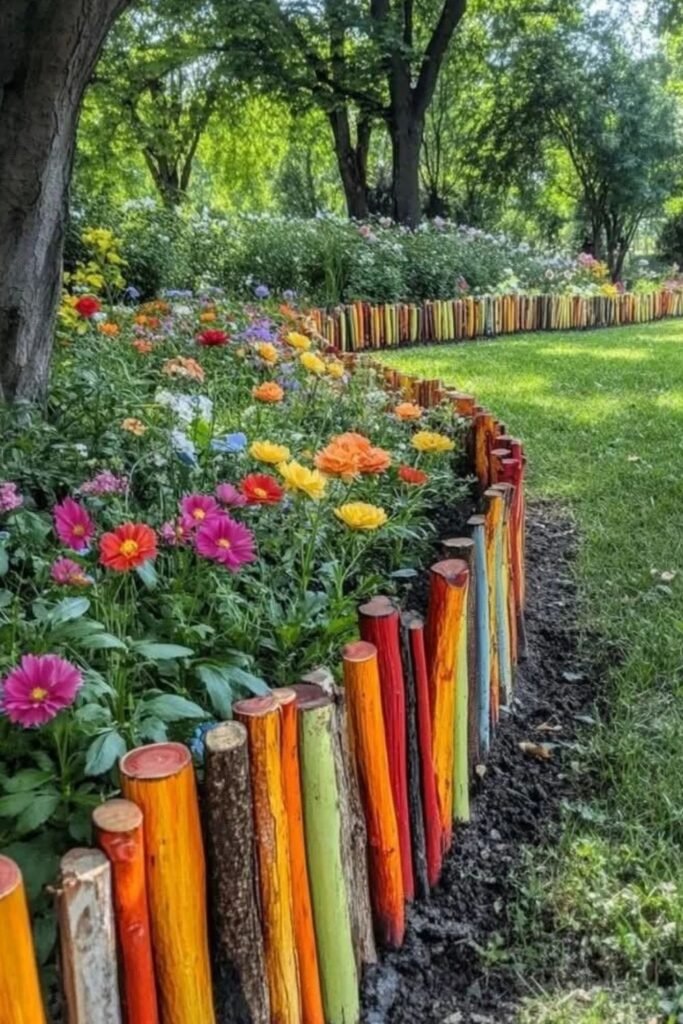
Creative Edging
Ordinary flower beds become far more memorable when the border is part of the design.
Curved beds along lawns or beneath mature trees are ideal for colorful wooden log edging because it clearly separates the planting while adding a cheerful.
Fill the inside with generous clusters of nectar-rich flowers in different heights, then let the bright edging guide the eye through the garden.
Sealing the wood before installation helps the colors last longer and gives your butterfly border a polished look that stands out in every season.
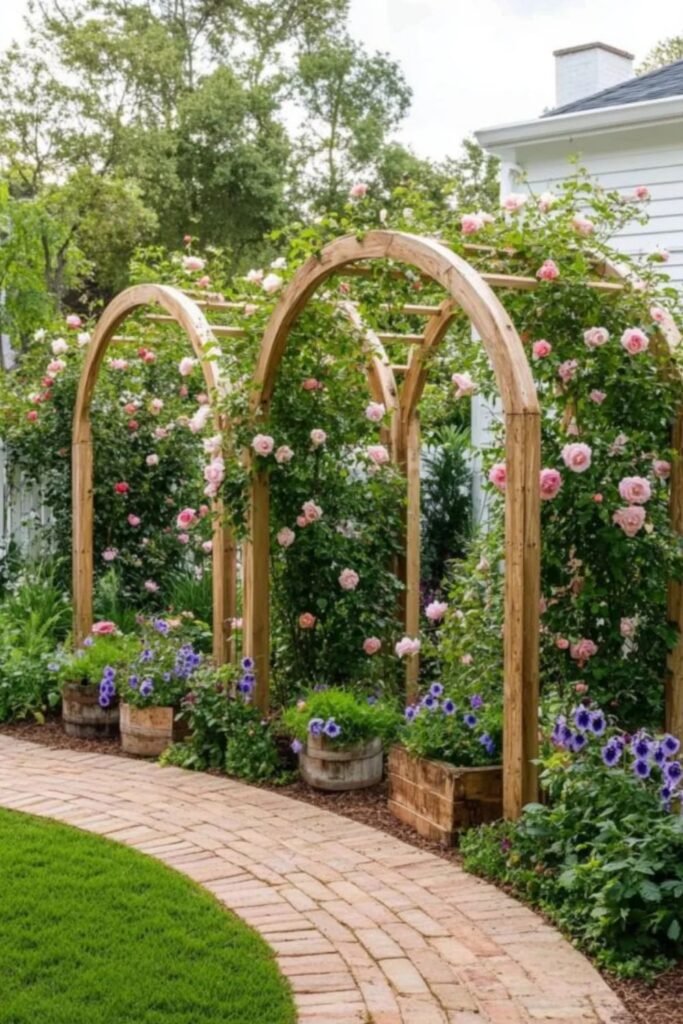
Rose Arches
Walking beneath flowering arches makes a butterfly garden feel larger while adding height that flat flower beds cannot achieve.
Install wooden or metal arches along a garden path then train climbing roses or other flowering vines to cover the structure over time.
Surround the base with containers and low-growing nectar plants to keep butterflies feeding from ground level to the overhead blooms.
Position the arches where they receive several hours of sunlight so both the climbers.
And the flowers below stay healthy, creating a beautiful walkway that becomes a standout feature every season.
Meadow Walk
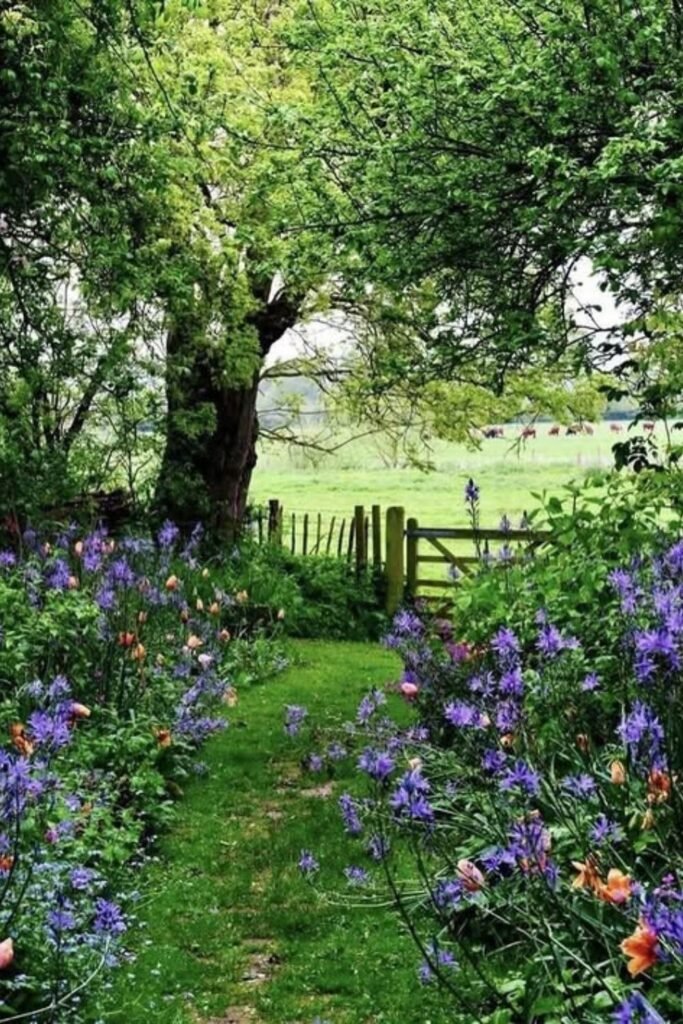
Stepping onto a grass path surrounded by soft drifts of flowers creates the feeling of wandering through a natural butterfly sanctuary.
Larger backyards, cottage gardens, and properties bordering open fields are perfect for this relaxed layout because it blends beautifully.
Plant generous groups of nectar-rich perennials along both sides of the path, then allow a few blooms to spill gently toward the walkway for a less formal look.
Keeping the center path neatly mowed gives you easy access while the flowering borders provide butterflies with a continuous ribbon of food.
Courtyard Oasis
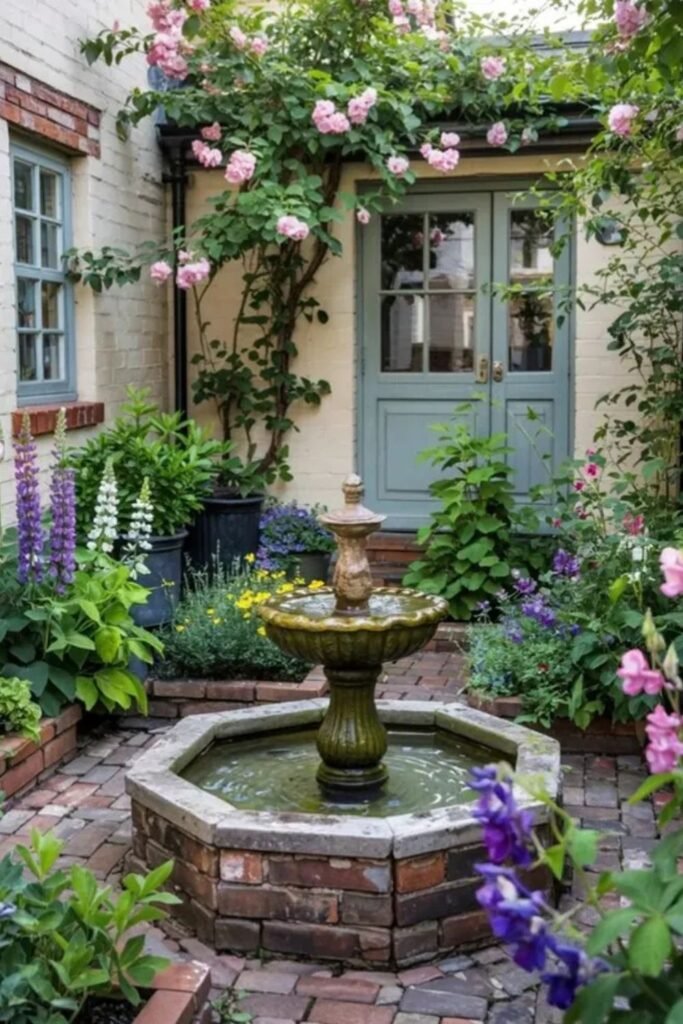
Small courtyards can attract just as many butterflies when every corner serves a purpose.
Create subtle movement and wetness with a central modest fountain, then surround it with tiered flowering plants and climbing roses to soften walls.
Brick pavement gives a nice layout, but also allows space for planting nectar-rich blossoms.
Find a spot in the garden that gets a few hours of sun each day and plant a combination of spring and summer blossoms so there are always fresh flowers.
Foundation Border
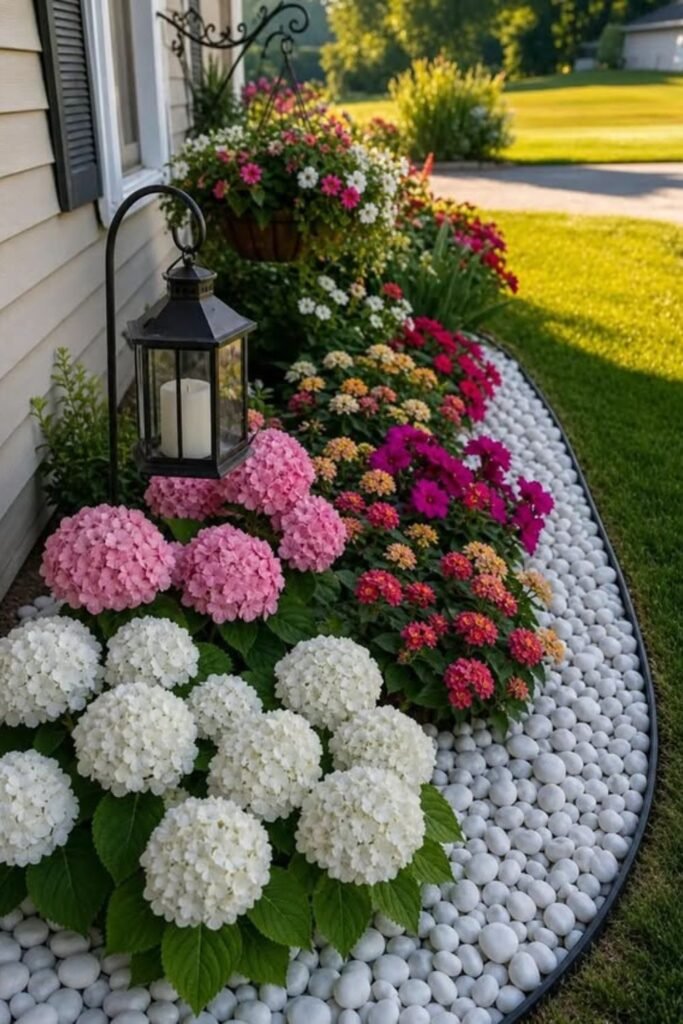
First impressions begin right outside your home, so turn the foundation bed into a butterfly-friendly display instead of leaving it as a simple shrub border.
Arrange taller blooms and hanging baskets near the wall, then layer medium and low-growing nectar flowers toward the lawn for a balanced view.
A smooth pebble border keeps the planting neat while making flower colors stand out even more.
Adding a decorative lantern creates a welcoming focal point and lets the space remain attractive long after the butterflies have finished their daily visits.
Cottage Charm
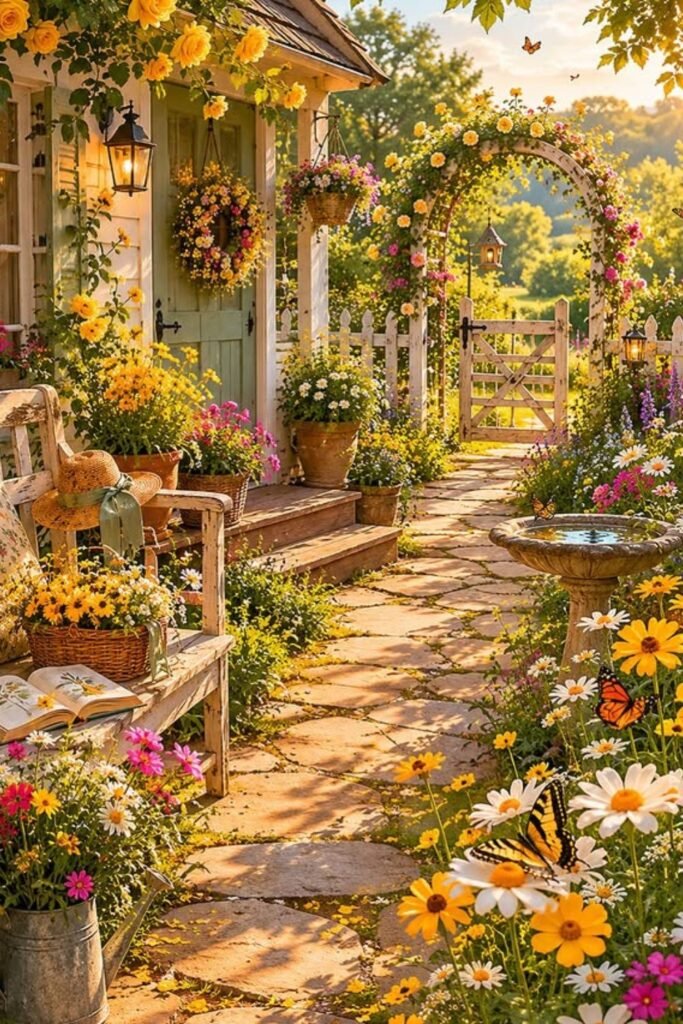
Welcoming butterflies starts right at the front porch when every feature works together instead of competing for attention.
Frame the entrance with climbing roses over an arbor, line the stone walkway with nectar-rich flowers and place a shallow birdbath.
Hanging baskets, flowering containers, and a cozy bench make the space feel inviting while adding blooms at different heights.
Choosing sunny planting spots and repeating cheerful flower along the path creates a warm cottage garden that feel beautiful to walk through.
Native Patch
Wildlife responds best when you plant generous drift instead of isolated flowers.
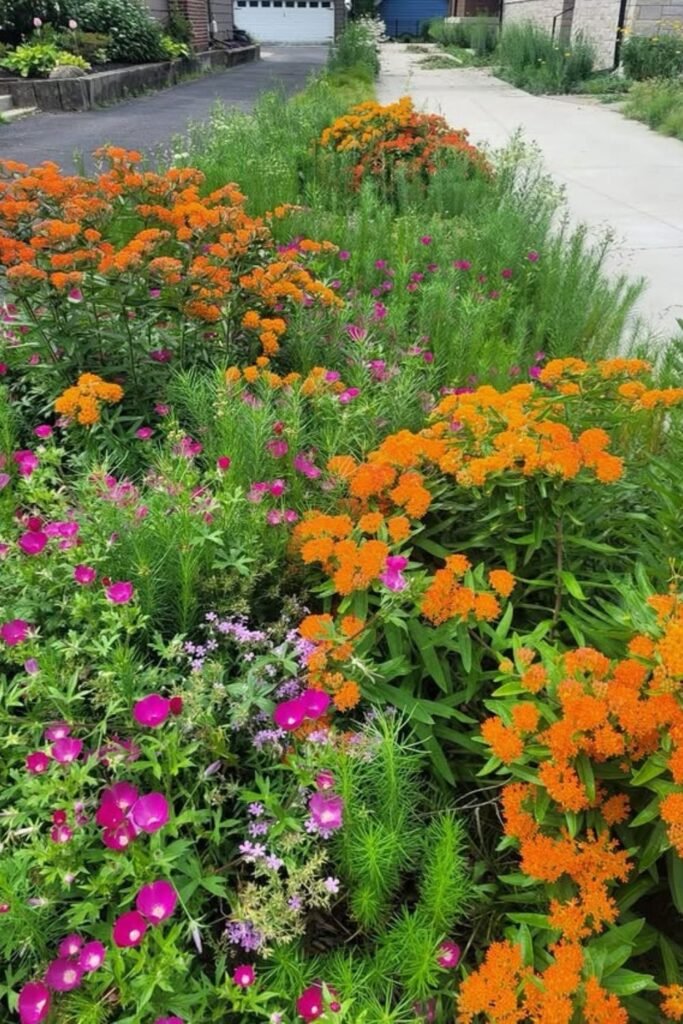
A wide strip beside a driveway, sidewalk, or property edge is perfect for creating a natural butterfly habitat with colorful native blooms.
Group orange butterfly weed with pink and purple wildflowers, then weave in fine-textured greenery to keep the planting full even between bloom cycles.
Allow the bed to grow a little more naturally than a formal border, but define the edges clearly.
So the garden looks intentional while giving butterflies a dependable source of nectar throughout the season.
Wildflower Meadow
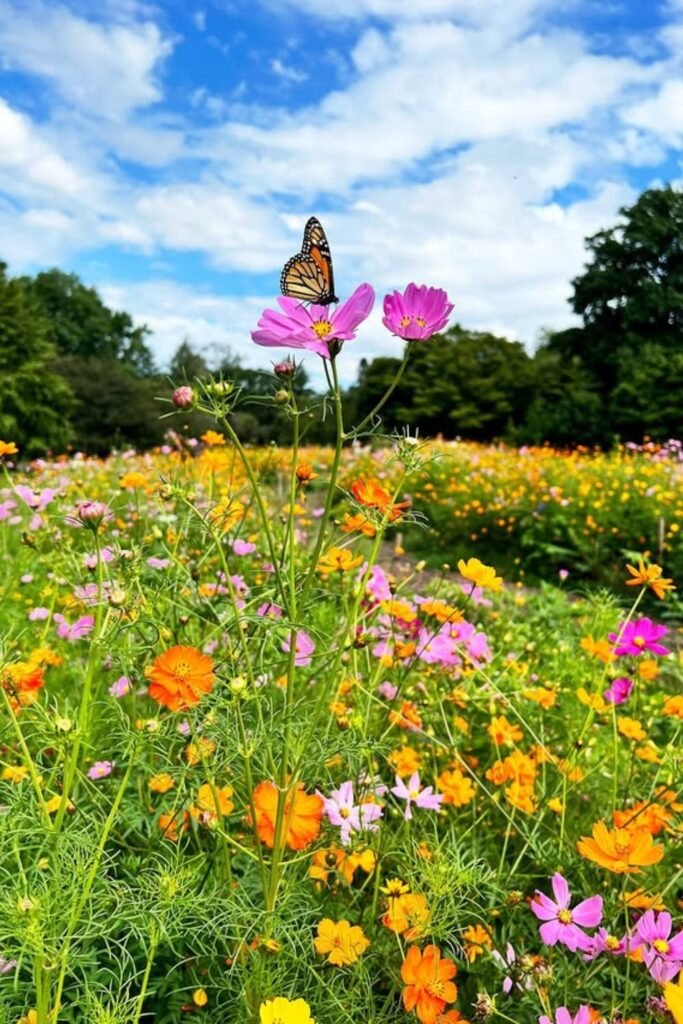
Watching butterflies settle naturally becomes much easier when flowers grow in wide, flowing drifts instead of tight garden beds.
Open backyards or sunny areas with plenty of room are ideal for recreating this meadow-style design because the relaxed planting mimics natural habitats.
Sow a mix of cosmos and other long-blooming wildflowers in complementary colors, allowing them to weave together for a soft, effortless display.
Skip perfectly straight rows and leave enough spacing for plants to spread, creating a vibrant landscape that offers butterflies continuous nectar.
Poolside Blooms
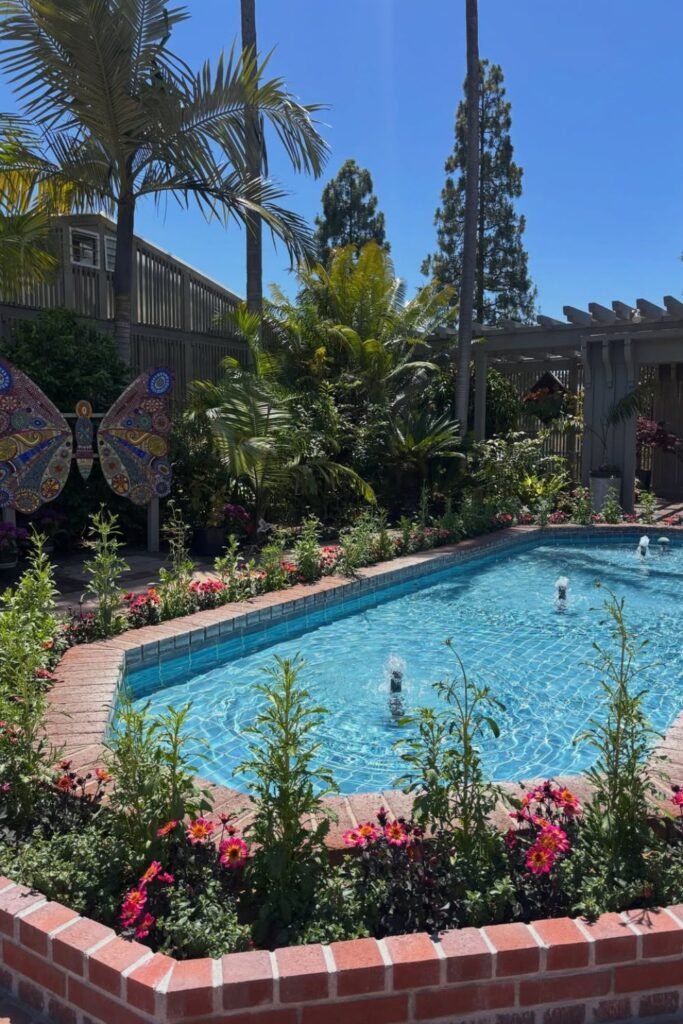
Swimming pools can double as butterfly gardens when the surrounding borders are filled with nectar rich flowers instead of plain shrubs.
Frame the pool with colorful planting beds that stay low enough to preserve the view while adding tallers flowering plants behind them for extra depth.
Tropical palms, bright perennials, and a decorative butterfly sculpture help tie the theme together without making the space feel crowded.
Leave wide walkways around the water for easy access, and choose long-blooming varieties.
That keep the pool area vibrant while welcoming butterflies throughout the warmer months.
Educational Corner
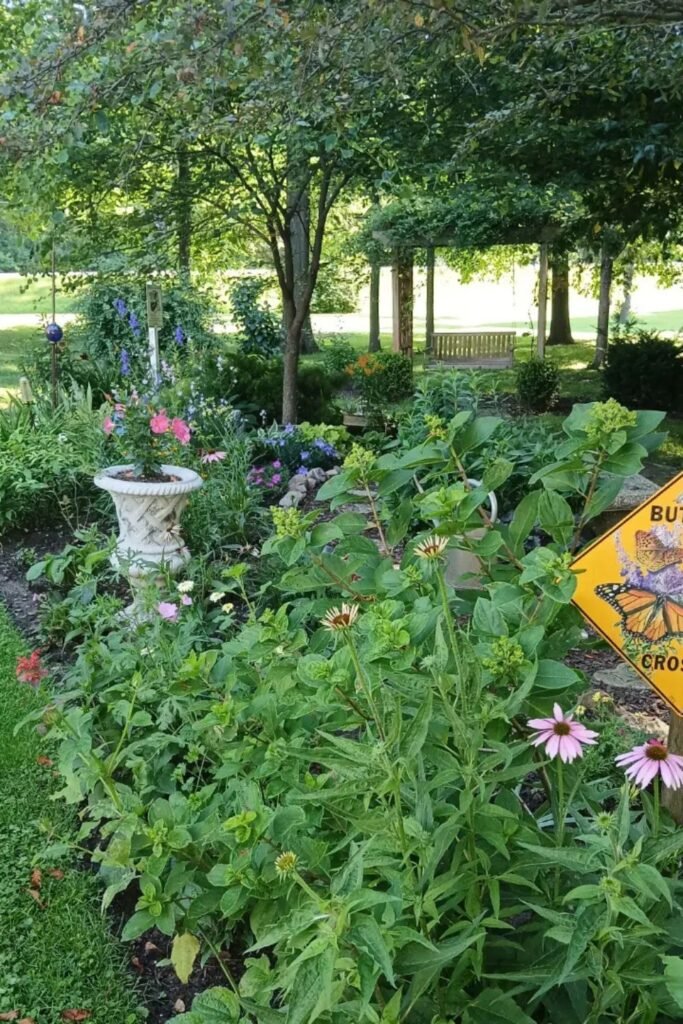
Turning your butterfly garden into a learning space makes every visit more meaningful for family and guests.
This idea works well in a calm backyard border or park-style garden where you can mix host plants, nectar flowers and a stylish butterfly sign to honor nature.
Add a birdbath, a small bench or covered seating nearby so guests may stop and view butterflies without bothering them.
Plant big groups of native species to make the garden beautiful and to provide a habitat to support butterflies through every stage of their life cycle.
FAQs
How Long Does It Take For A Butterfly Garden To Attract Butterflies?
Many butterfly gardens begin attracting visitors within a few weeks once nectar-rich flowers start blooming.
But a thriving habitat usually develops over one or two growing seasons.
Planting native flowers, adding host plants for caterpillars, and avoiding pesticides will help butterflies find your garden much faster.
What Is The Biggest Mistake People Make When Creating A Butterfly Garden?
Planting only colorful flowers is one of the most common mistakes. Butterflies also need host plants to lay eggs.
Combining all of these elements creates a garden that butterflies return to instead of simply flying through.
