
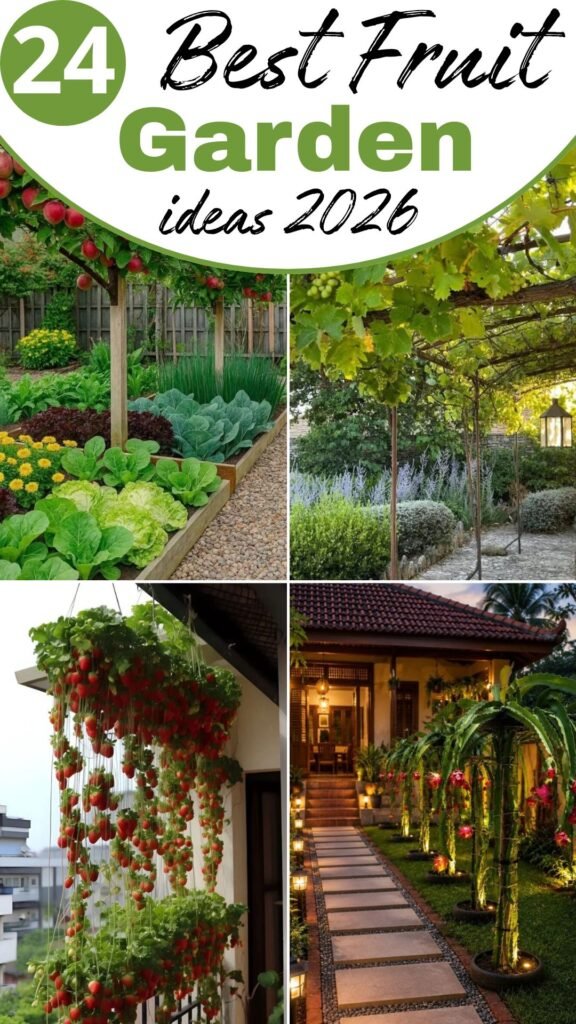
24 Fruit Garden Ideas for 2026
Planning a fruit garden sounds simple until you realize every tree, berry bush, and vine needs the right place to thrive.
Plant them too close together and harvesting will be a pain. Pick the wrong plan and your garden can feel packed not inviting.
Many online ideas are gorgeous in pictures, but seldom tell you how to do it in a real backyard.
In this article, I’ll show you 24 Fruit Garden Ideas you can use to grow a beautiful and productive garden.
Let’s jump in!
How Do You Design A Beautiful Fruit Garden Layout?
Before you acquire a single fruit plant, start by assessing your space.
Take note of the location that receives the most sun, the amount of space you have and the path you will take when watering or harvesting.
Plant taller fruit trees away from smaller berries or vines. Leave room for each plant to grow to its full size.
If you have a tiny yard, grow up using trellises, pergolas or espalier trees rather than trying to fill every corner.
Add paths, mulch or flower borders to make the garden easy to keep looking good and feeling welcoming.
Good planning prevents a lot of subsequent labor, and provides you a garden that is as nice to look at as the fruit it produces.
Orchard Canopy
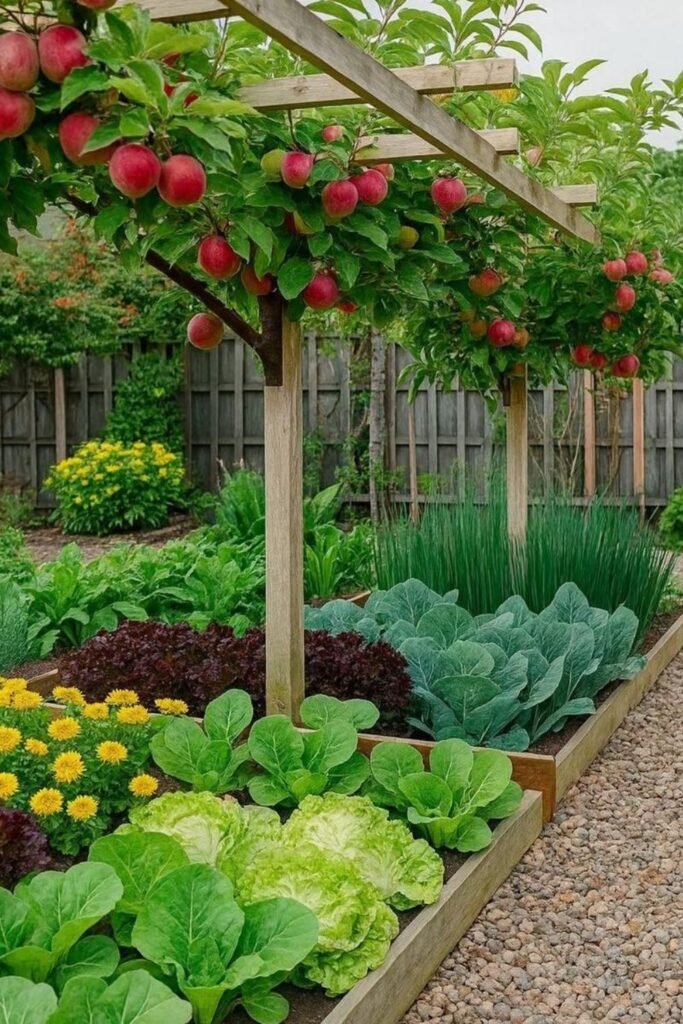
Growing fruit above your planting beds turns one garden into two productive spaces without making it feel crowded.
Train miniature apple trees over a robust wooden frame and utilize the open land below for leafy crops that like light afternoon shadow.
Gravel walkways between the beds allow easy harvesting and upkeep, especially after rain.
Mixing fruit trees with lettuce, cabbage, onions and flowers also creates a balanced look for the garden as well as making every square metre work harder.
Each year, prune the branches to maintain the canopy open for air flow and easy plucking of apples from either side of the bed.
Grape Pergola
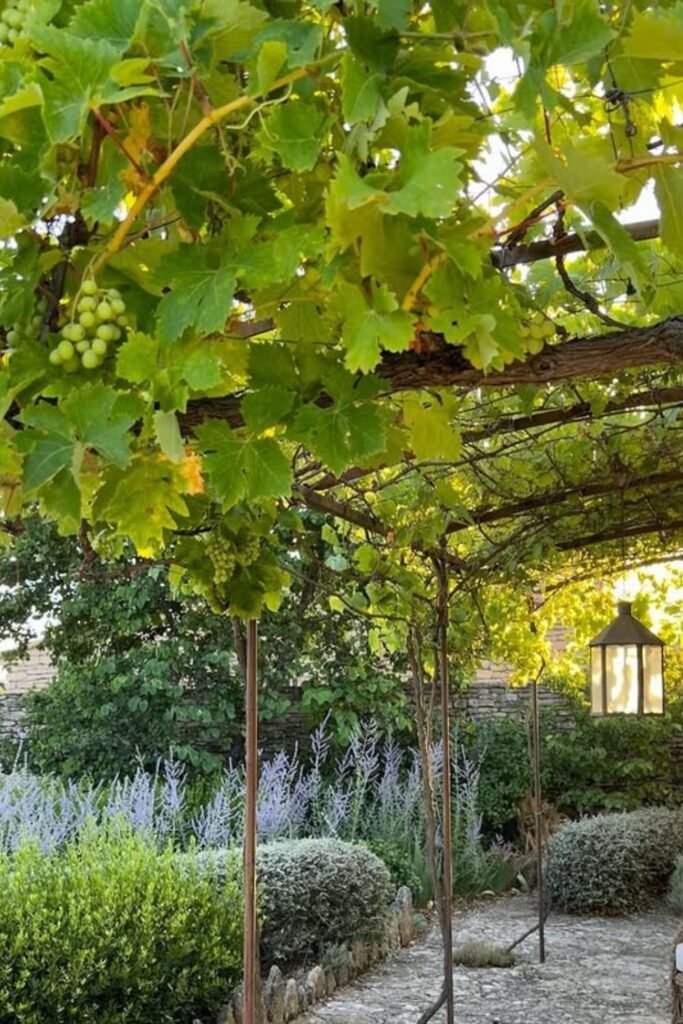
Stepping beneath a living canopy makes a fruit garden feel like an outdoor room instead of just a place to grow food.
Plant grape vines along a sturdy pergola that gets lots of sun, then hang the clusters for natural shade over a seating or dining area.
Tying the main vines neatly around the frame allows for greater air circulation and makes pruning much easier each winter.
You can use soft shrubs, herbs or floral perennials to line the pergola, softening the structure and giving pollinators another reason to visit your garden.
Hanging Harvest
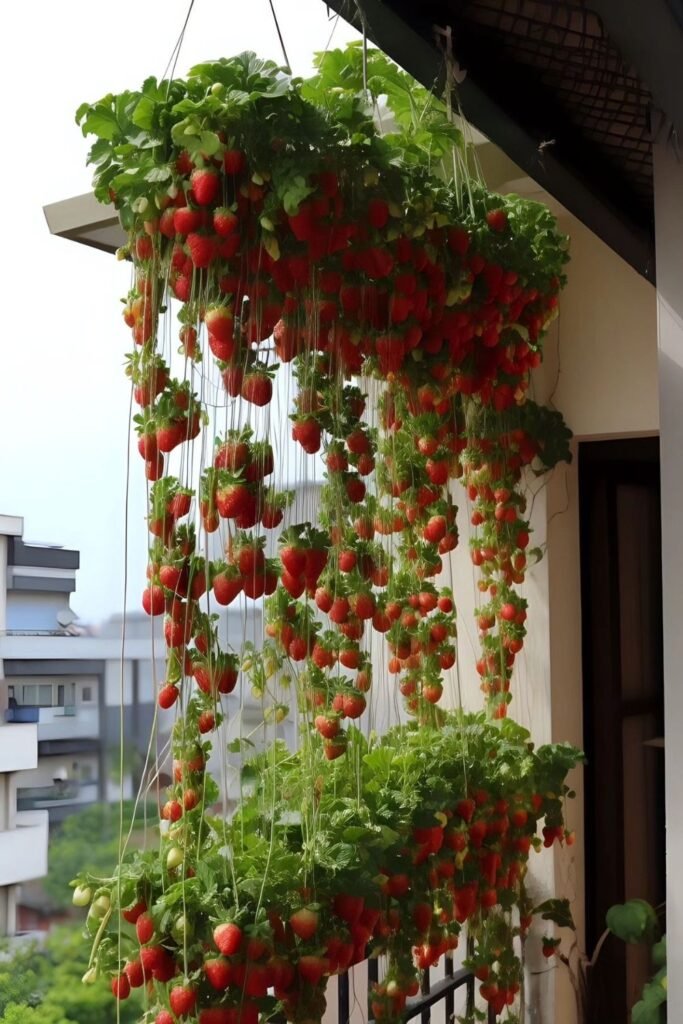
Bare balconies can produce far more than herbs when you start growing upward instead of outward.
Hang tiered strawberry planters in a sunny spot for at least six hours of daylight, so the fruit may cascade freely, staying clean and easy to pick.
Lots of air around the hanging stems also helps reduce rot after watering.
Containers dry out faster than garden beds, so pair the baskets with a drip irrigation system or water little and often.
A little apartment balcony filled with ripe strawberries close at hand becomes a fruitful fruit garden without taking up valuable floor space.
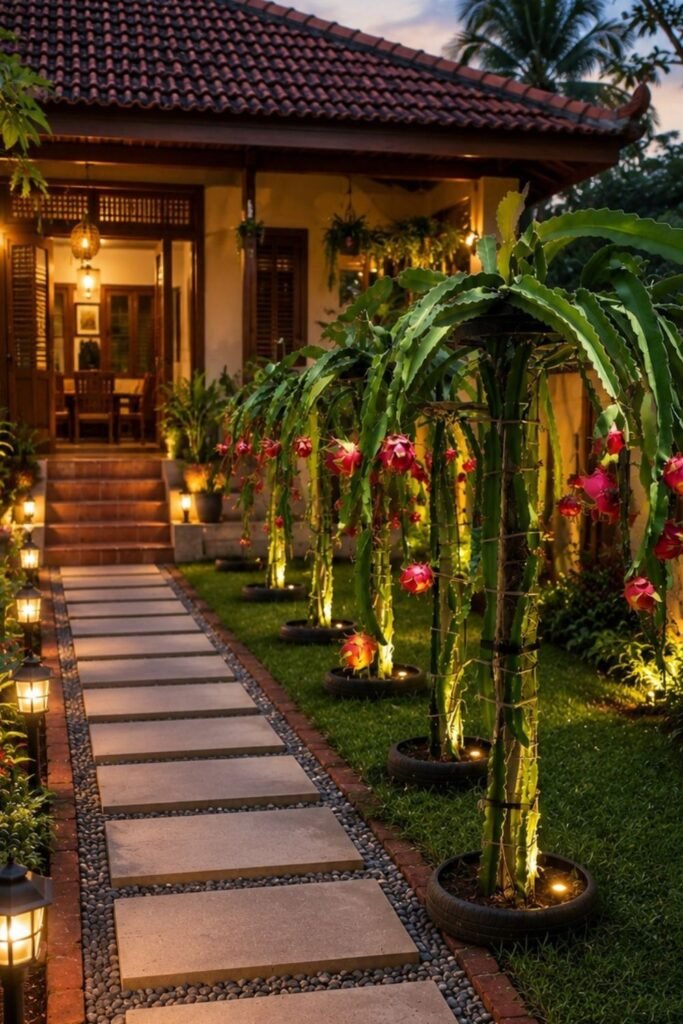
Dragon Path
Front walkways don’t have to rely on ornamental plants when fruit can become the main attraction.
Plant dragon fruit on strong pillars along the entryway so every time someone visits your home they will feel special.
As mature stems can become unexpectedly heavy when plants start to produce fruit, make sure each support is well anchored.
Soft landscape lighting accentuates the dramatic curve after sunset, making the garden an eye-catching attraction by day and night.
Leave enough space between each plant for air flow and easy harvesting, this will help the stems stay healthier and easier to work with as they mature.
Citrus Avenue
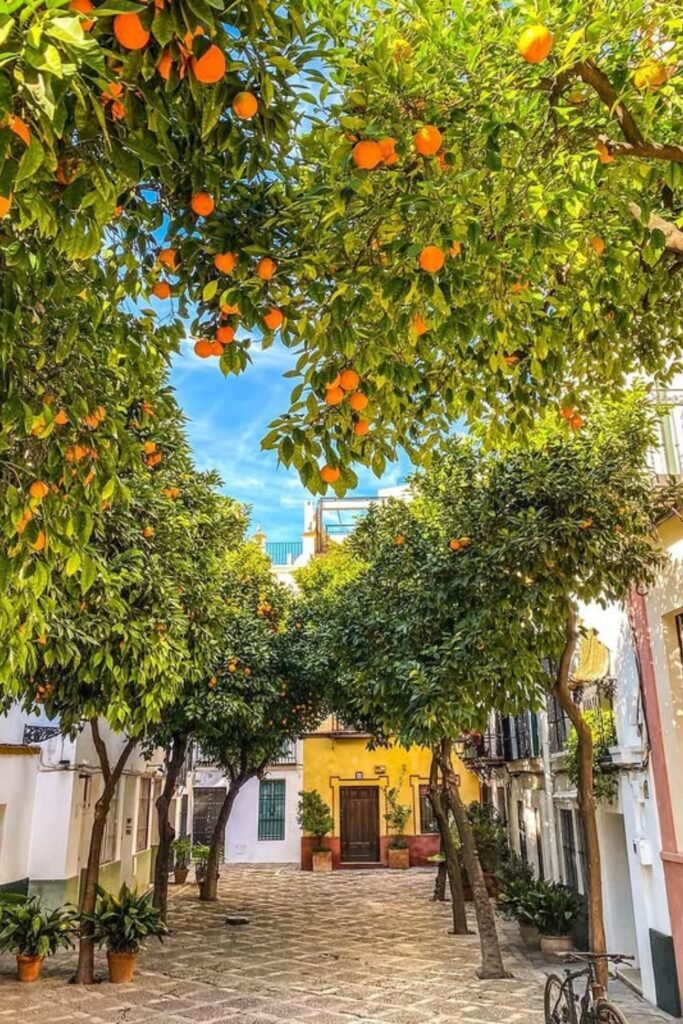
Morning walks feel far more rewarding when fresh oranges hang right above your path.
Line a driveway, courtyard or large garden walk with a shady avenue of citrus trees in even rows to keep it appealing in all seasons.
The lightly clipped lower branches open the way, while the rounded canopies frame the area above.
Select one type of citrus for a neat, uniform appearance or combine early and late fruiting varieties for a longer yield.
Water deeply in dry weather and feed once a year to maintain the trees healthy enough to repay you with vivid fruit year after year.
Patio Orchard
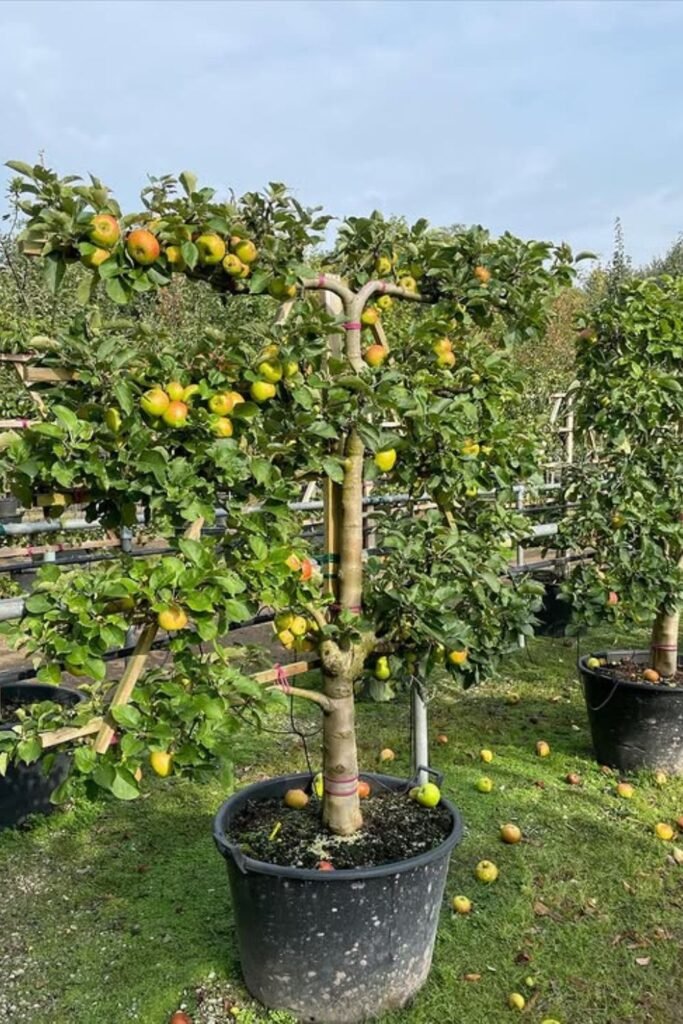
Limited garden space doesn’t mean you have to settle for fewer fruit trees.
Grow compact apple trees in large containers and train the branches while they are young so that all sides are balanced and within easy reach.
Position the pots in bright sunlight, then spread them apart enough for air to circulate freely around the foliage.
Large pots also make it easy to manage the quality of the soil and to move young trees if your layout changes.
Add modest supports or ornamental border to complete the space and you will produce a tidy tiny orchard that will give big harvests.
Banana Walk
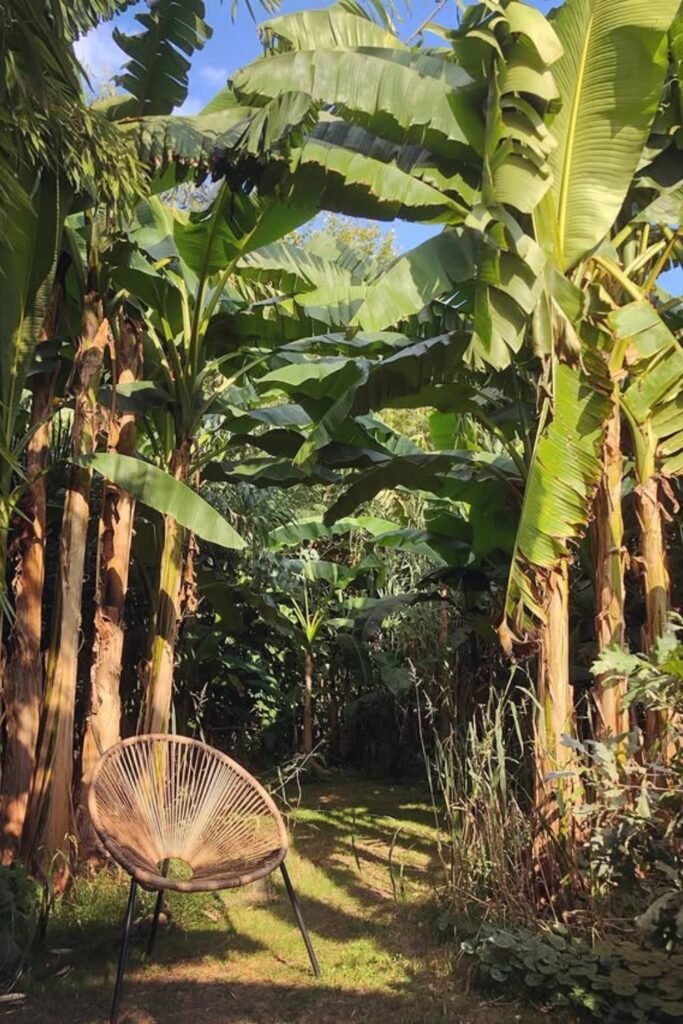
Creating a leafy walkway with banana plants instantly makes the garden feel larger and more private without building a single wall.
If you have a warm environment and plenty of sunlight, plant them on either side of a route, providing enough room for the broad leaves to develop.
You may fill up any empty spaces under the canopy with smaller tropical plants to create a lush, rainforest atmosphere.
To keep the route neat and focus more energy into healthy development, it is important to remove older leaves and thin out extra suckers.
Add a small chair or bench to the area, to make the shady spot a lovely place to sit after harvesting.
Harvest Rows
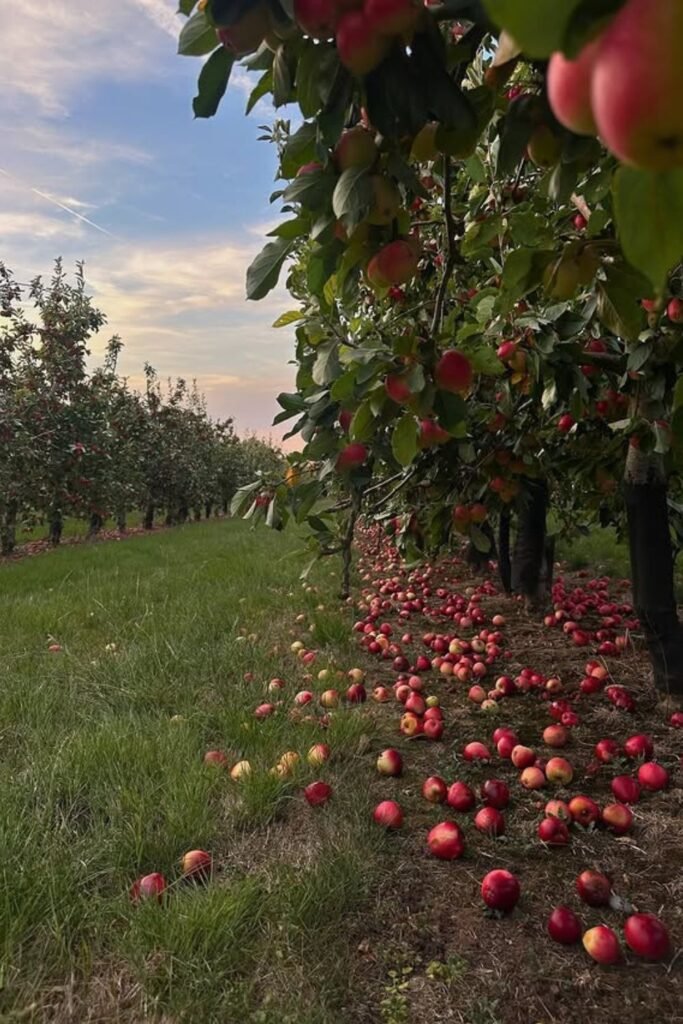
Fallen fruit often signals it’s time to rethink your harvesting routine, not that the tree is producing too much.
Plant apple trees in straight rows with adequate space between them so you can pick the ripe fruit soon before it bruises or attracts bugs.
The grass paths beside each row make moving wheelbarrows, baskets and pruning tools much easier throughout the season.
Harvest apples regularly instead of waiting for all of the fruit to ripen at once.
Organic mulch under the canopy will reduce soil splash and help the roots hold moisture during the warmer months.
Berry Rows
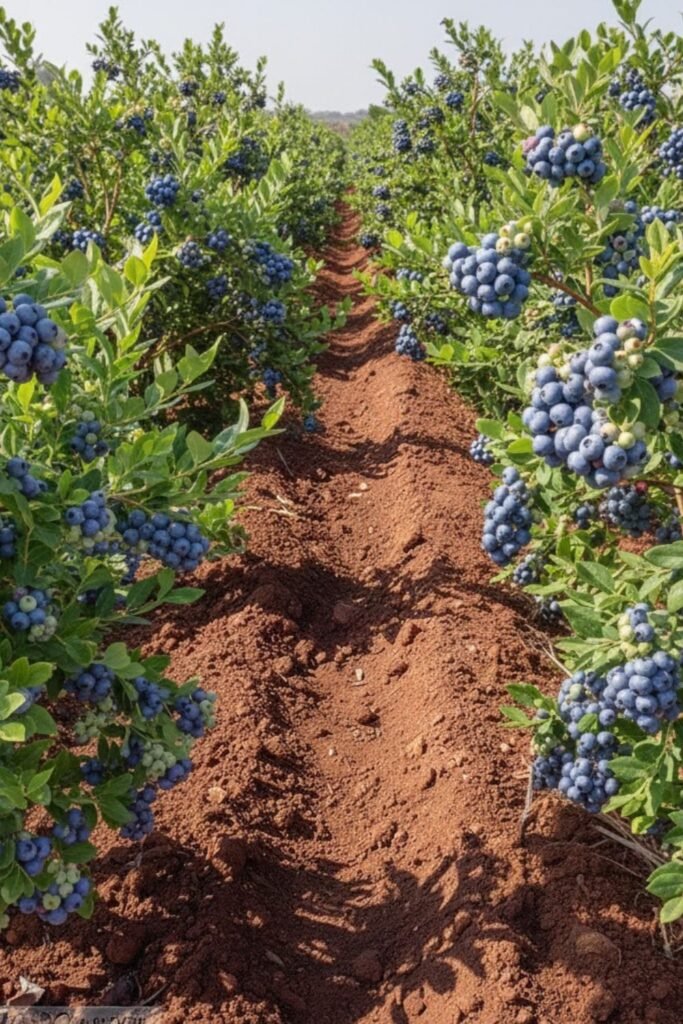
Long harvests become much easier when every blueberry bush has room to breathe and grow evenly.
Plant shrubs in straight rows with large walking routes between them so that picking, pruning and watering never feel cramped.
Blueberries need acidic, well-drained soil, so get the ground ready before planting, rather than trying to remedy it after.
Adding pine bark or pine needle mulch helps to retain moisture in the soil while keeping the conditions the plants prefer.
If feasible, select two or more compatible cultivars to help with pollination and increase your harvests over a longer picking season.
Fence Espalier
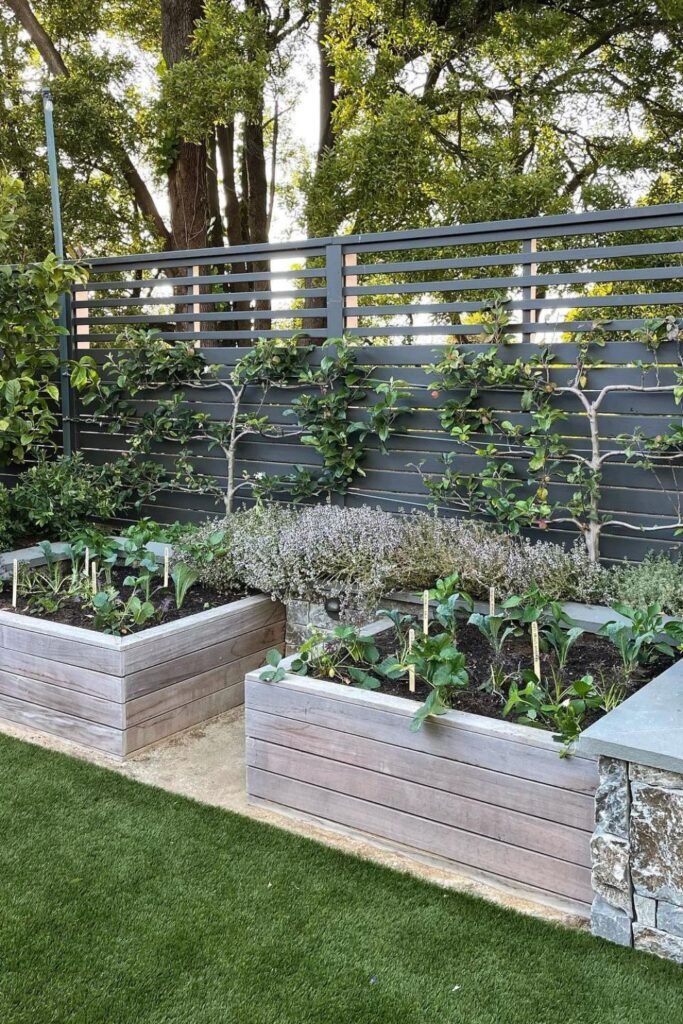
Fence lines can produce surprising harvests when you train fruit trees instead of leaving them as empty boundaries.
Train young apple or pear branches on horizontal wires so that each limb gets plenty of sunshine and takes up almost no ground space.
The addition of front raised beds really increases the productivity of the space by combining vegetables or strawberries with the espaliered trees.
Tie new shoots into place as they grow through the season and trim out any unwanted growth before it gets dense.
Regular annual training is a living wall that looks organised, saves space and makes pruning and harvesting much easier.
Apple Columns
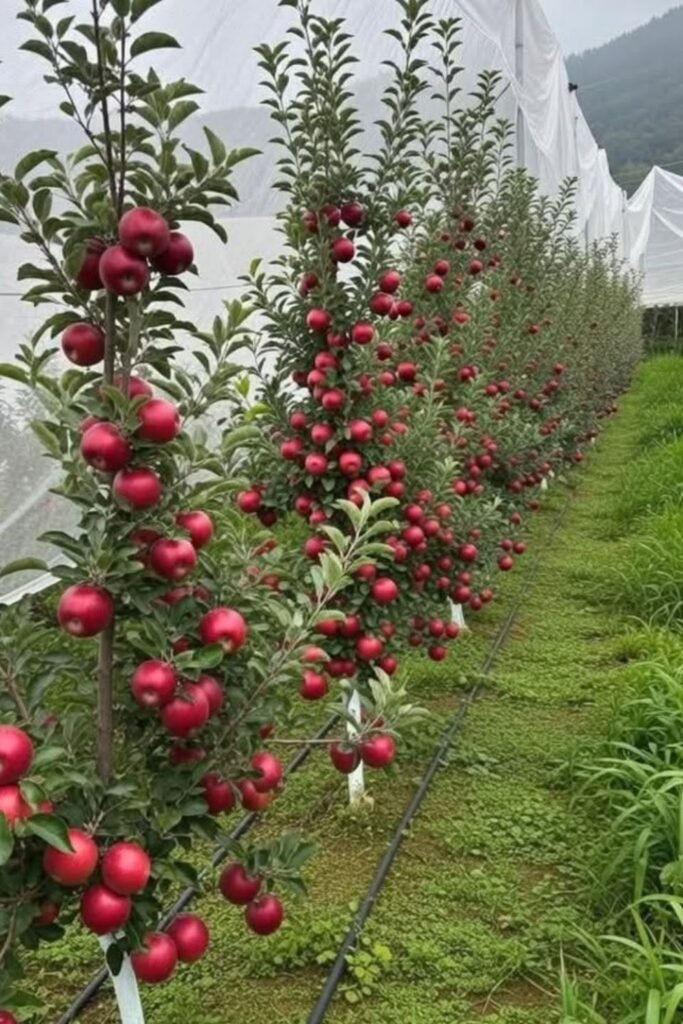
Growing upward instead of outward is one of the smartest ways to fit more fruit into a limited space.
For a neat orchard that’s easy to prune, spray and harvest, plant columnar or thin apple trees in even rows.
Narrow canopies let more sunshine to reach every branch, while giving enough area for nice strolling paths between the rows.
Drip irrigation is the most efficient way to irrigate; it gives moisture right to the roots without wasting water.
Adding a protective netting over the planting area helps protect maturing apples from birds and hail, resulting in cleaner, healthier harvests throughout season.
Citrus Feature
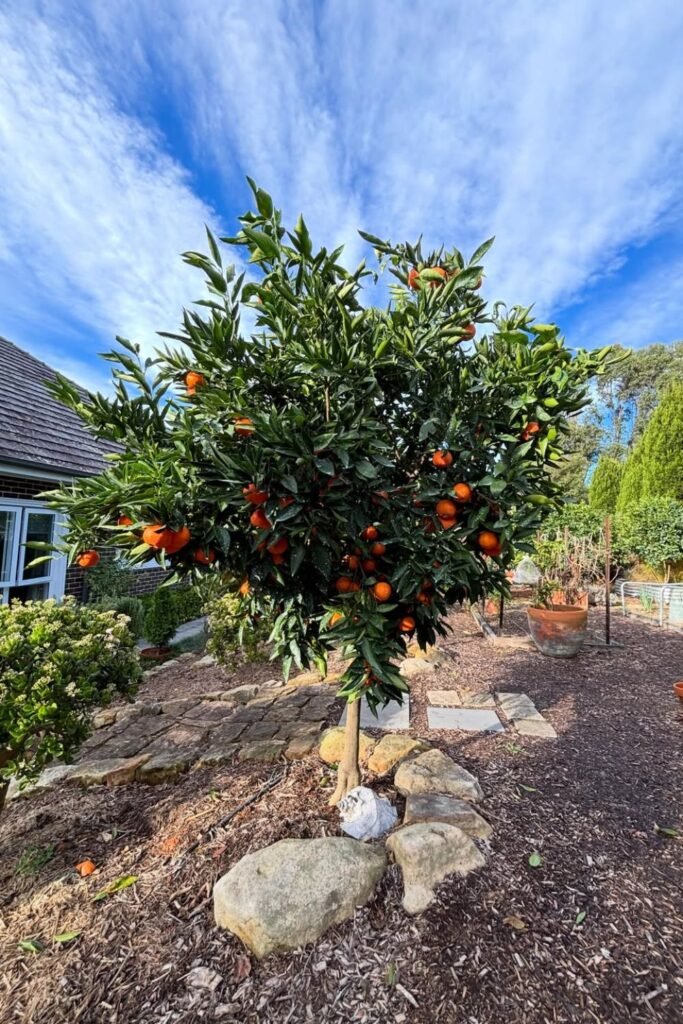
One healthy citrus tree can become the centrepiece of your entire fruit garden without needing dozens of plants.
Site it in a full-sun, open position so the rounded canopy develops uniformly and the fruit colours up properly as it ripens.
A wide mulch ring and natural stone border help preserve moisture, eliminate weeds and define the planting space, giving the garden a polished appearance.
Don’t plant huge shrubs around your tree give enough of space for simple pruning and harvesting.
Healthy spacing allows air to flow through the branches, and it pays off with bigger crops year after year.
Living Tunnel
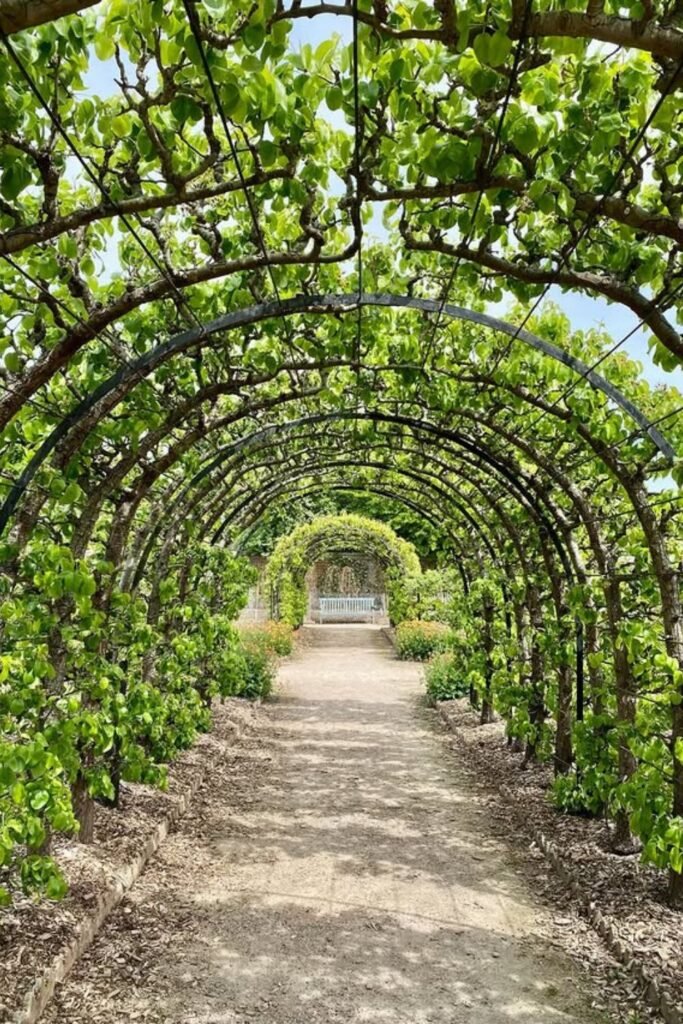
Walking through a tunnel of fruit trees turns an ordinary path into the highlight of the entire garden.
Train apple or pear branches over strong metal arches, directing new growth each season until the canopy meets over the top.
Pruning regularly keeps the framework open enough for sun and air circulation, and keeps the exquisite tunnel shape.
Mulched edges and a basic gravel or dirt path allow the structure shine out without vying for attention.
Place a bench or seating spot at the end of the walkway to create a destination that rewards every stroll while surrounding you with blossom in spring.
Entry Citrus
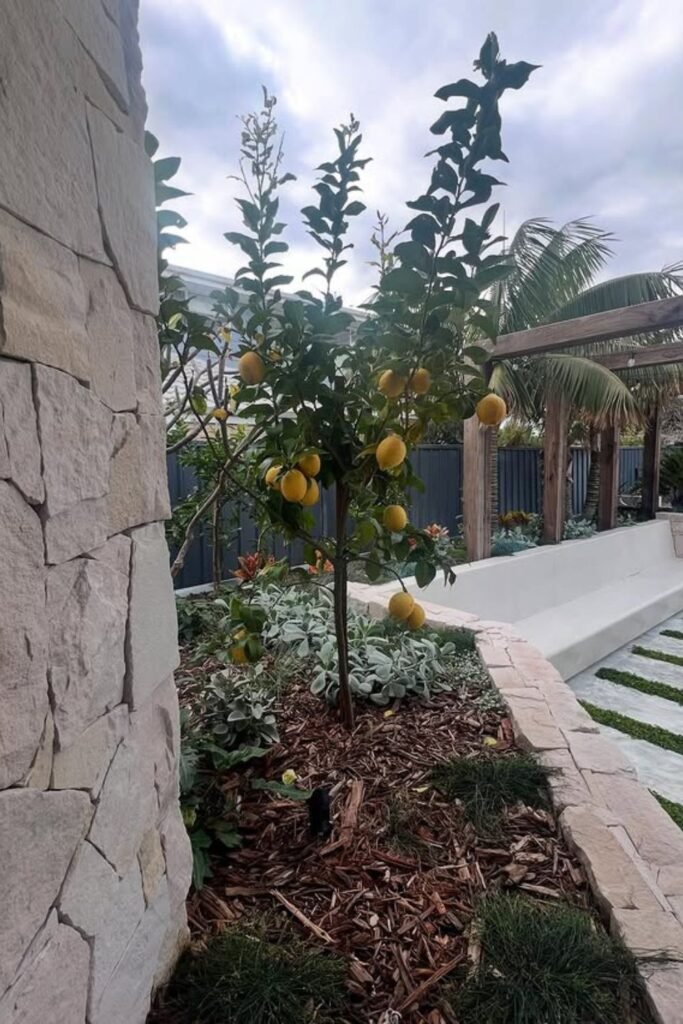
Guests will notice fresh fruit before they even reach your front door when a citrus tree becomes part of the entrance design.
Plant a lemon tree in full light next to a path and mulch around the tree with low growing foliage to maintain the area tidy and reduce weeds.
Stone edging and elegant lines allow the tree to fit into contemporary landscaping, rather than appearing detached from the yard.
Keep the canopy lightly clipped to balance the branches and make it easy to pick the fruit.
Decorative planting can be utilitarian as well as attractive, with a welcome entrance that also produces homegrown lemons.
Potted Citrus
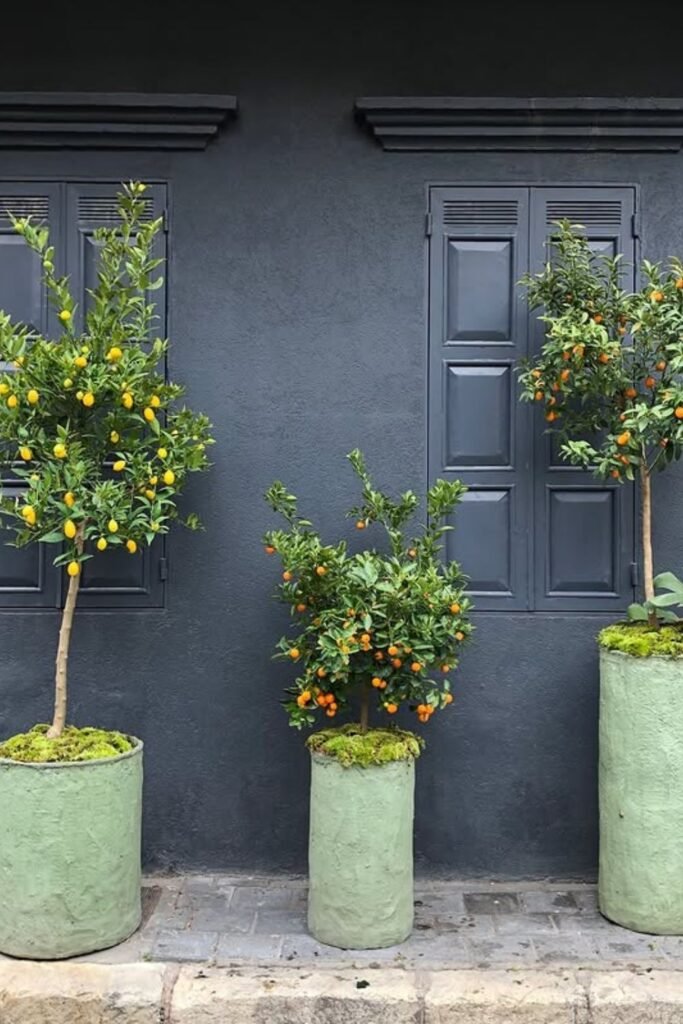
Beautiful fruit gardens don’t always need planting beds when oversized pots can create the same impact with far more flexibility.
Cluster citrus trees in containers near an entrance, patio or courtyard for color without the commitment of permanent planting.
Different heights and different varieties of fruit keep the display interesting but still tidy and balanced.
Use large pots that drain well and renew the potting mix every few years to keep the roots healthy and fruitful.
A simple wall with containers lined up along it also creates a dramatic setting for the glossy leaves and brilliant fruit, transforming an unremarkable nook.
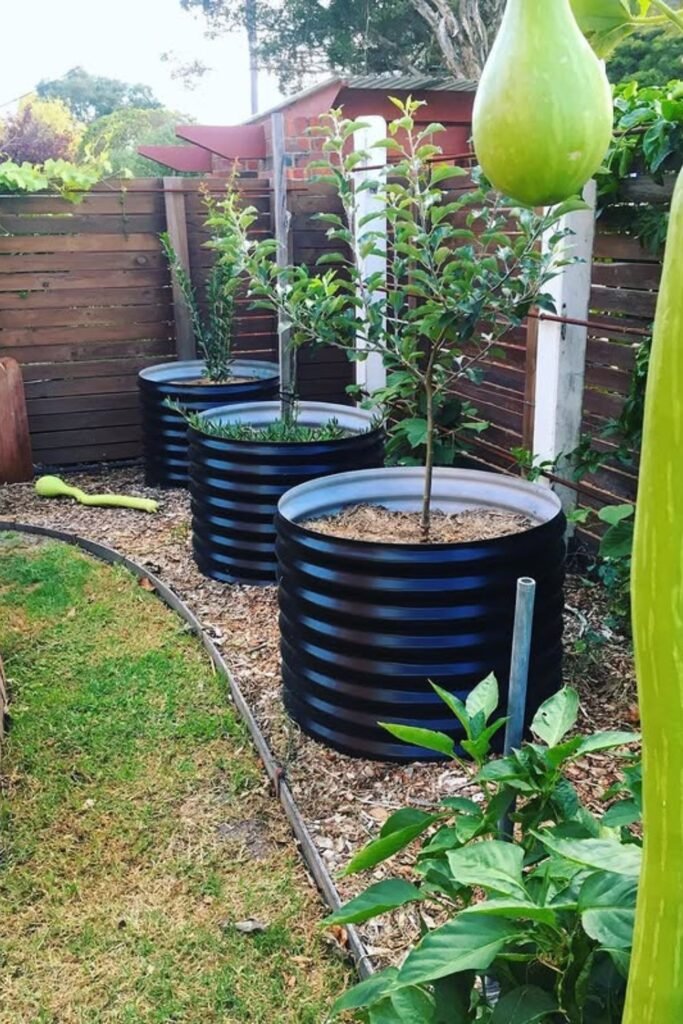
Container Grove
Awkward corners often become wasted space until large planters turn them into a productive fruit garden.
If your soil is not well-drained, or if you wish to control watering and root growth better, grow dwarf apple or pear trees in deep metal containers.
Line the planters along fences or boundaries to preserve the heart of the garden open yet to still have many fruit trees.
Mulch the surface to decrease moisture loss and add drip irrigation if possible to maintain watering consistent in hot weather.
Mixing fruit trees with climbing vines or seasonal vegetables nearby makes every element of the garden work harder without becoming overloaded.
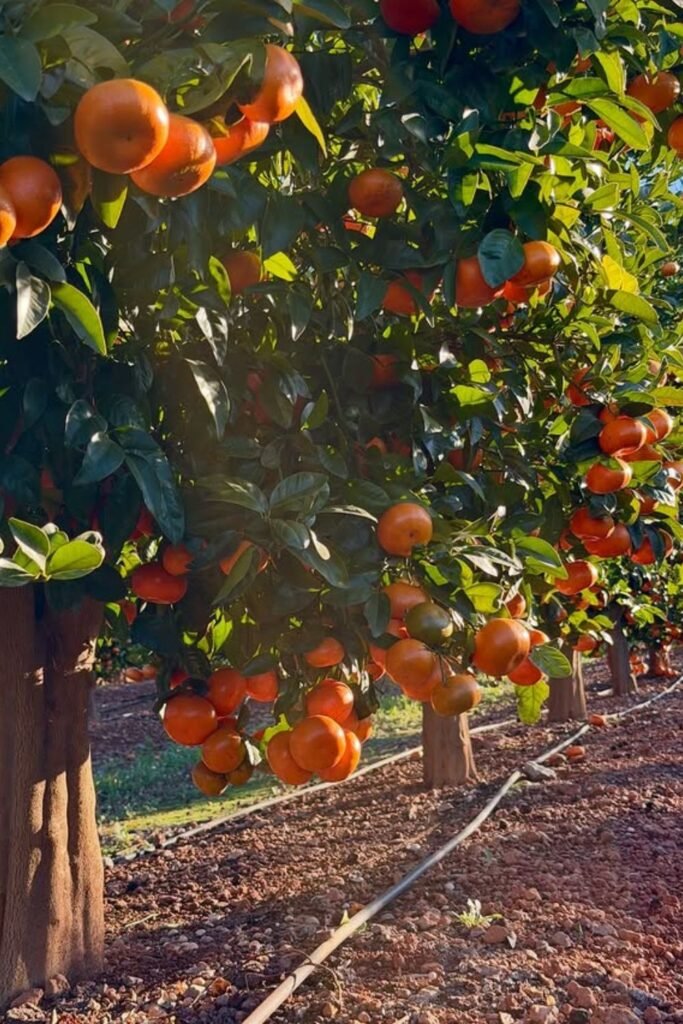
Citrus Row
Reliable harvests begin with healthy spacing, and a neat row of citrus trees makes every maintenance job easier.
Plant each tree far enough apart that sunlight can penetrate the entire canopy, but leave room to walk easily when pruning and picking.
Under the trees, a drip irrigation pipe provides a steady stream of hydration straight to the roots, without wasting water or soaking the foliage.
During the season, use organic mulch on the soil to help conserve moisture and keep down weed growth.
Using a simple row pattern maintains the orchard neat and tidy, fosters better fruit production and makes future maintenance.
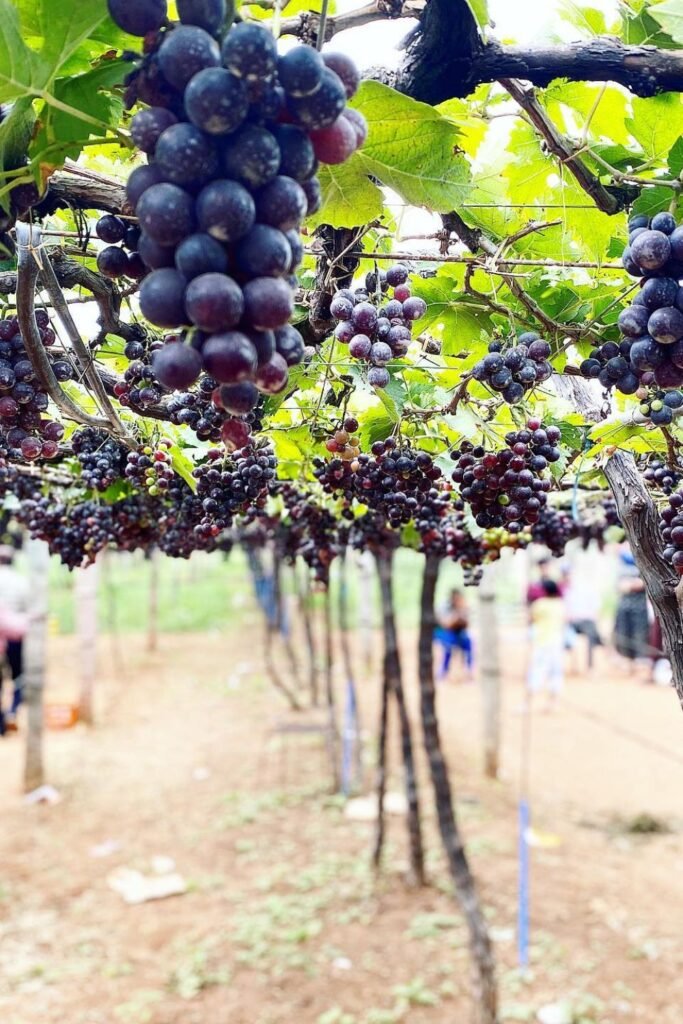
Vineyard Walk
Every stroll through the garden becomes memorable when grape vines form a living ceiling overhead.
Train on a strong overhead trellis or pergola to hold big clusters of grapes at a height that is easy to pluck, while providing nice shade in summer.
Prune the vines every dormant season to restrict growth and enable sunshine to reach every bunch, boosting flavour and colour.
Wide paths below make harvesting easier and allow the space room to function as an outdoor seating or party place.
A strong support system added early will save effort later and keep mature vines producing for many years.
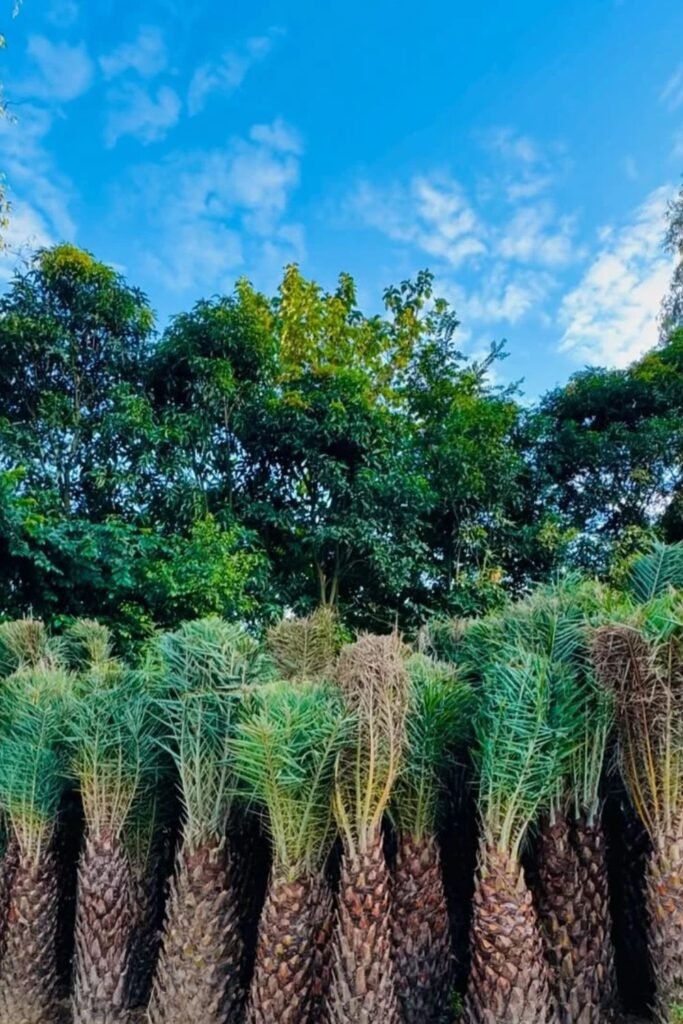
Date Grove
Warm-climate gardens can feel both productive and dramatic when you group date palms into one dedicated planting zone.
Space each palm far enough apart that the crowns can naturally spread, but provide room to walk between them for watering and eventual harvesting.
To make layers of green without blocking sunlight from younger plants, grow taller fruit trees behind the palms.
Deep watering during the establishment period and well-drained soil result in better root systems, especially in hot climates.
Trimming older, damaged fronds makes the grove look cleaner and makes the stunning trunks a feature of your fruit garden.
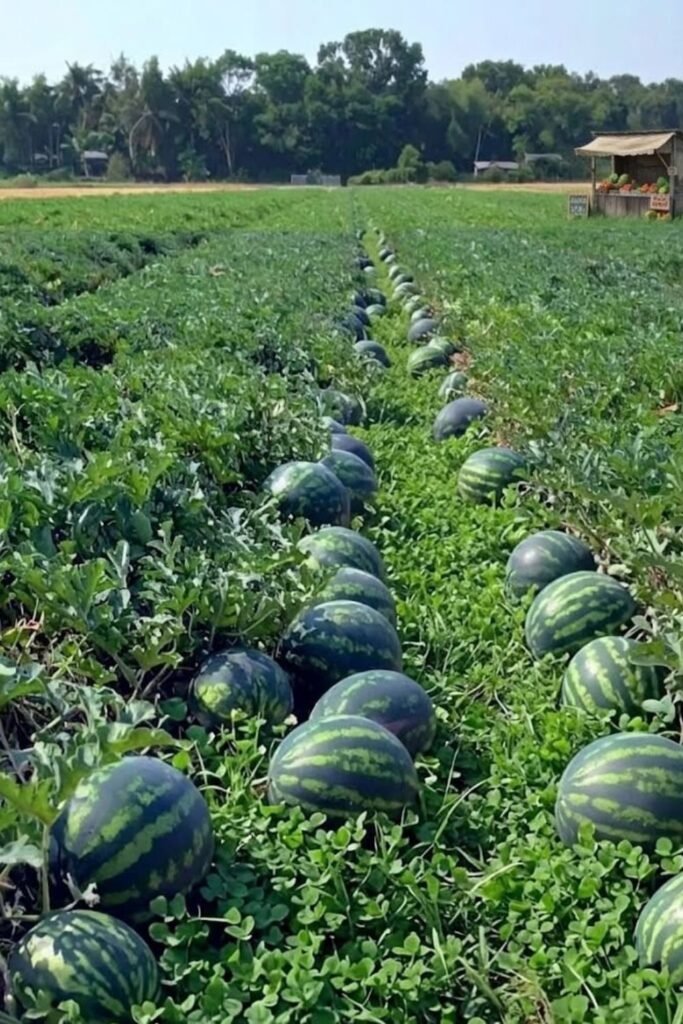
Melon Rows
Summer fruit gardens can use open ground just as productively as trees and berry beds.
Give watermelons a sunny open patch so their vines may grow out without choking any neighbors, and then train the runners into clear rows.
Rich, well-drained soil and constant irrigation while fruits develop will stimulate better development.
But cut down on excess watering as plants approach maturity to avoid difficulties.
Space rows apart so you may walk between them and check the fruit without damaging the vines.
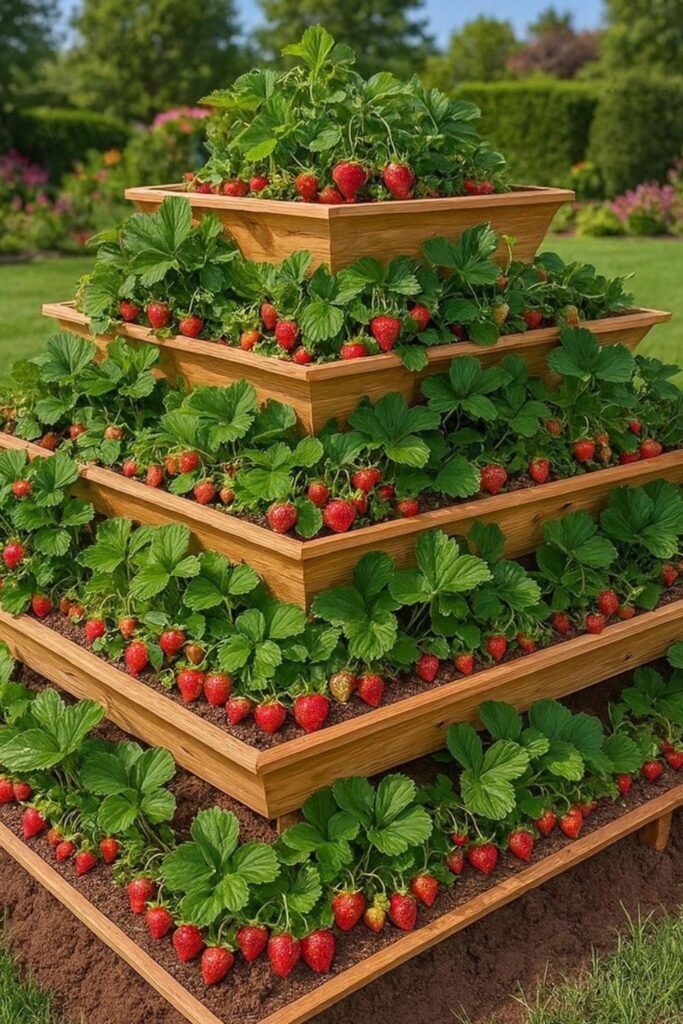
Strawberry Pyramid
Small gardens can hold a generous strawberry crop when you stack the growing space instead of spreading plants across one large bed.
Construct numerous square wooden levels, fill each with rich, well-drained soil, providing plenty of space around the edges for strawberry plants to trail.
Place the pyramid in full sun and maintain watering even. The top tiers may dry out faster than the base.
The stepped shape stops runners from becoming a tangled mess, and majority of the fruit is above ground level, making it easier to pick.
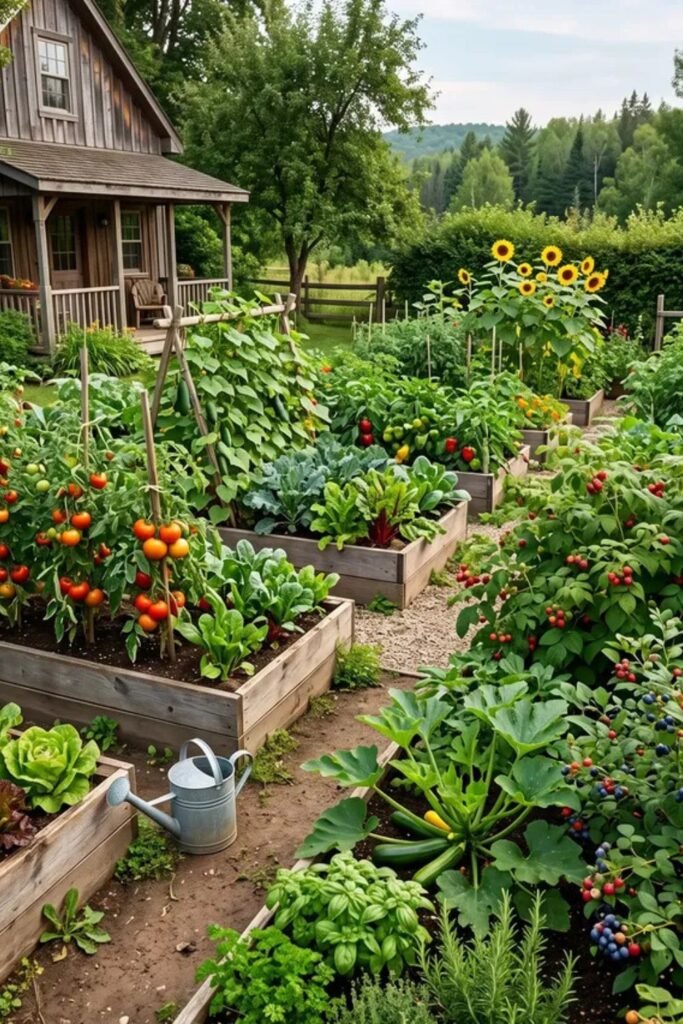
Harvest Mix
One growing area can feed you in several ways when fruit, vegetables, herbs, and flowers share the space with purpose.
Berry bushes like blueberries and raspberries are grown along the outer beds, then leafy greens, tomatoes, zucchini and other seasonal crops are grown.
Tall sunflowers give height without taking up much ground space and trellises allow climbing plants to grow up rather than horizontally over pathways.
Leave lots of room between beds so you can water and pick and prune easily after everything grows in.
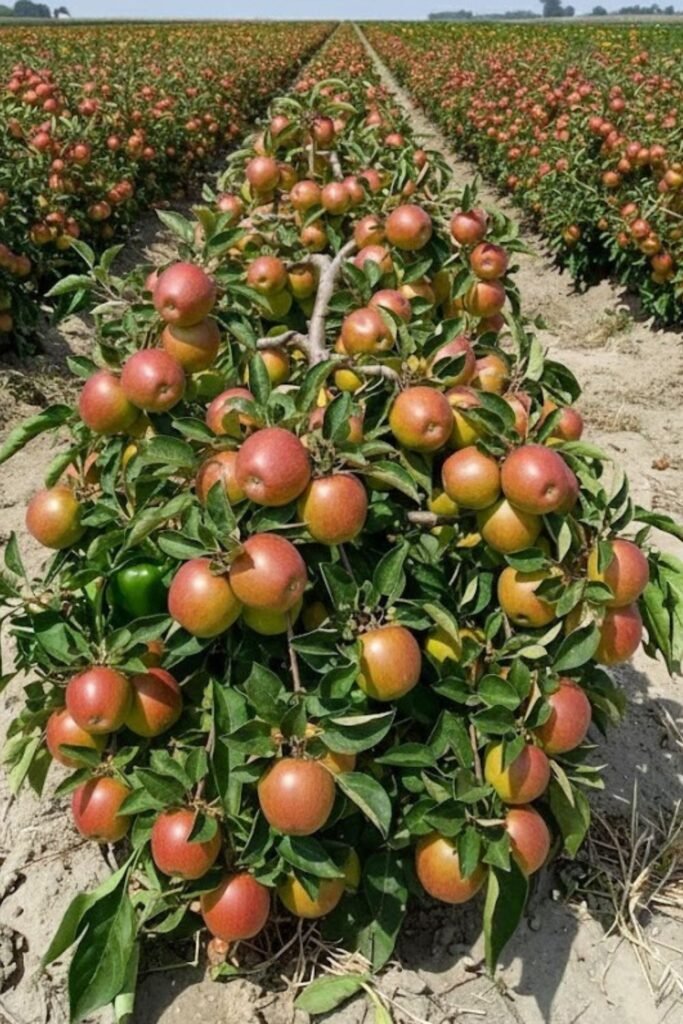
Dwarf Orchard
Low-growing apple trees make harvesting far less intimidating because most of the crop stays within easy reach.
If you have a sunny garden where a full-size tree would eventually outgrow the space.
Choose a dwarf or compact variety and arrange them according to their mature width, not the size at planting.
Regular pruning maintains the low, open form and allows sunlight to reach fruit lower in the canopy.
Mulch the root zone and water well during dry periods, especially when the fruit is setting.
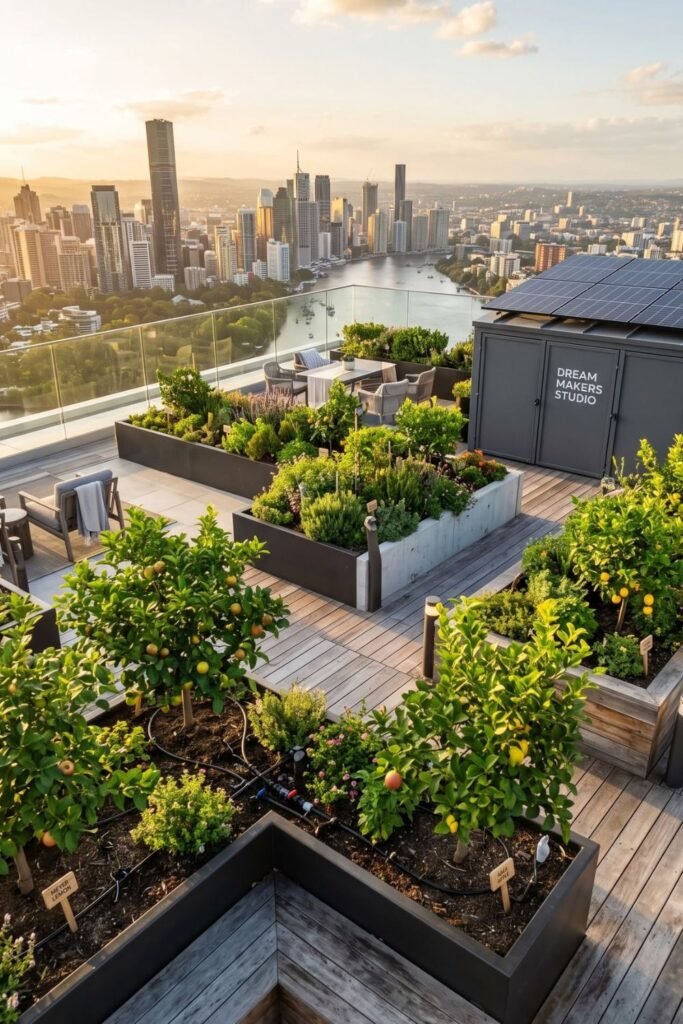
Rooftop Orchard
City living does not have to stop you from growing fresh fruit when the roof receives enough sunlight.
Plant miniature citrus, apples or other small fruit trees in deep raised pots and fill the smaller spaces with herbs, strawberries and pollinator friendly flowers.
Plant larger trees where they will not cast shade on lower crops, and leave roads open between beds for pruning and harvesting.
Drip irrigation is especially good for exposed rooftops where containers can dry out fast in hot or windy weather.
FAQs
How Can You Keep A Fruit Garden Productive Throughout Every Season?
Rather than planting everything that ripens at the same time, choose fruit plants that fruit at separate times.
If your climate allows, combine early strawberries and cherries with summer berries, fall apples, pears or citrus.
Regular pruning, periodic feeding, mulching and continuous watering keep plants healthy between harvests.
Which Fruit Garden Mistakes Should Beginners Avoid First?
Don’t plant fruit trees too closely together or buy kinds without considering your climate and available space.
Always consider the mature size of the tree, sun needs, pollination needs and access to the fruit for pruning and harvesting.
Planning the layout before you start planting will mean years of crowding, poor air circulation and disappointing harvests saved.
