
23 Italian Bob Haircut Ideas for 2026
Every time you search for an Italian bob haircut, you probably see a completely different version and that can be super frustrating.
Some look sharp, some look soft, and none of them really tell you what actually makes it an Italian bob.
The real worry isn’t just going short, it’s ending up with a haircut that doesn’t suit your face, your hair texture, or your lifestyle.
When that happens, you might start wondering if this style is even for you. You can figure it out before you ever sit in the salon chair.
In this article, you are going to learn what an Italian bob really is and 24 best Italian bob haircut ideas.
Let’s jump in!
What Is An Italian Bob?
An Italian bob is a blunt, chin-length haircut that keeps the weight at the ends instead of thinning them out, and you can see why it’s so different from other bobs.
The whole point is for your hair to feel full and shaped, not wispy or feathered.
If you cut it too light, you might notice your bob collapses and looks flat and that’s exactly what you don’t want.
When it’s cut with clean lines and minimal layering, you’ll find it holds its structure and looks polished even when you barely style it.
This cut works best when it sits around your jaw or just below because that’s where you can really create balance, make your hair look thicker, and give the impression that every strand is in place intentionally.
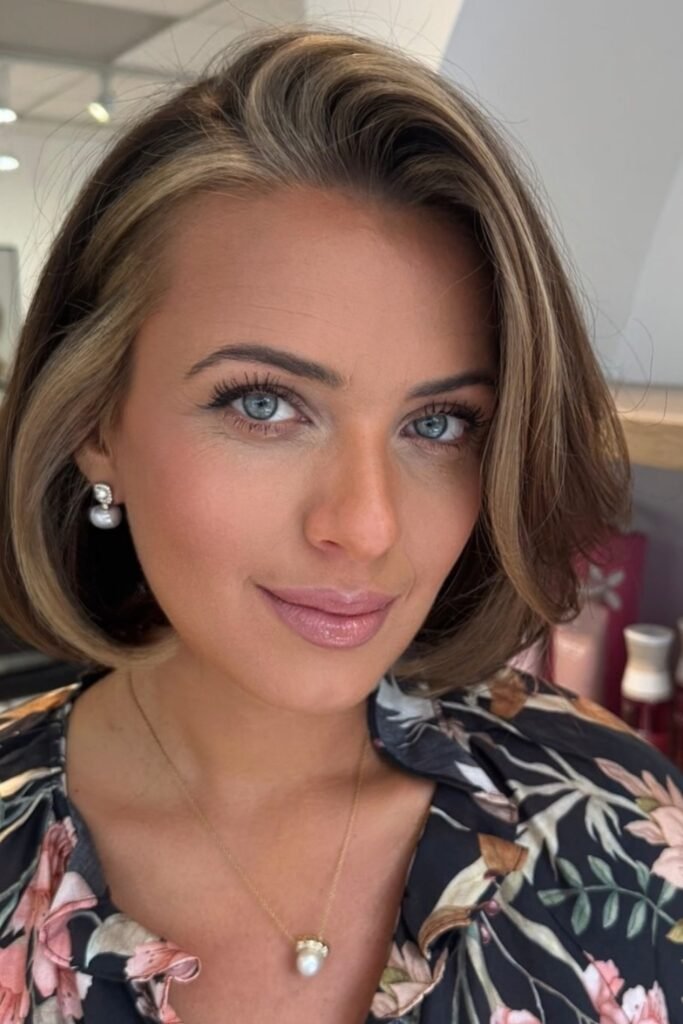
Soft Side Balance
This version works because the side part shifts weight away from the center of your face.
If your bob feels too boxy or heavy when you part it down the middle, you can see how this small change makes a big difference.
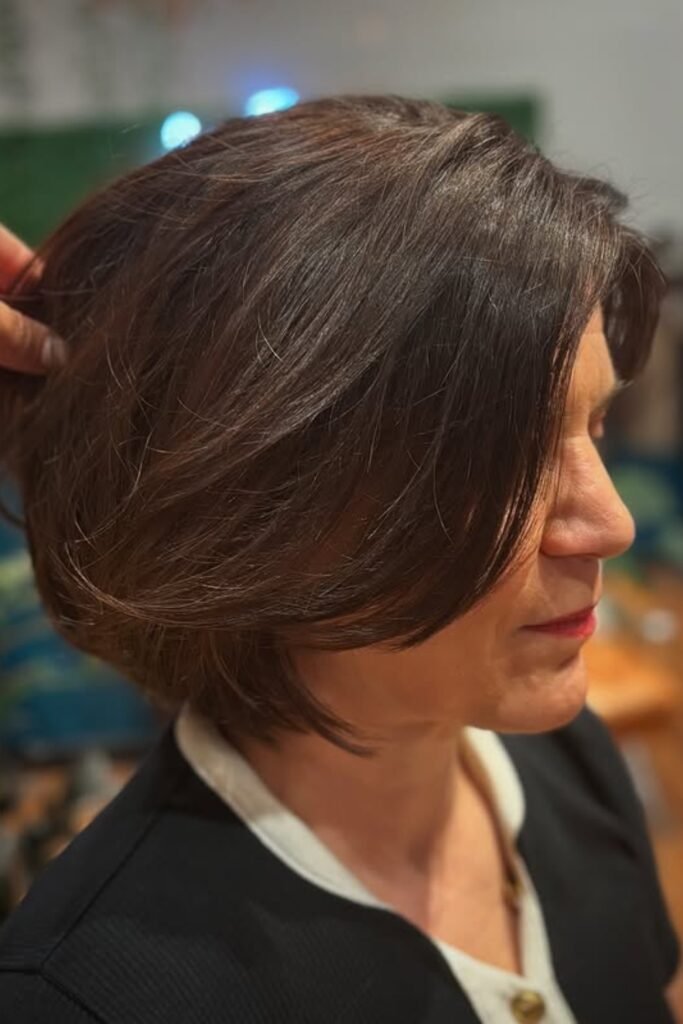
Tucked Under Ends
If your hair tends to flip at the bottom, you can keep everything controlled with this approach. It’s ideal if you want a neat look that lasts between trims.
To recreate it, you can ask for an Italian bob with no thinning at the perimeter and style using a round brush, pulling the ends toward your neck.
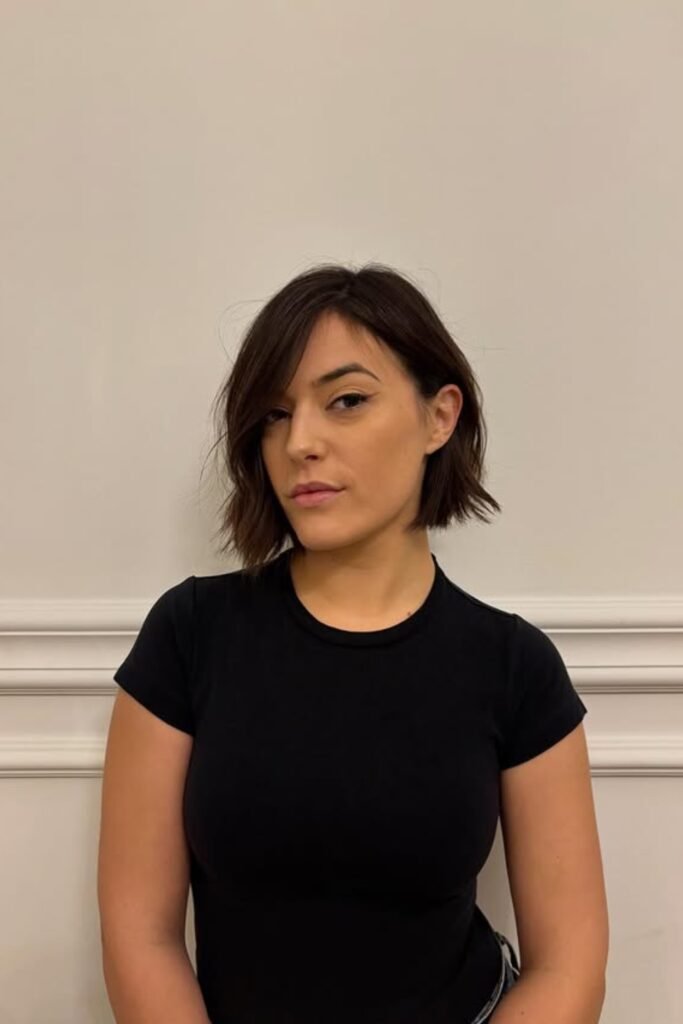
Broken Edge Control
You can ask for a blunt Italian bob with light point-cutting only at the tips. It’s a good option if you want the cut to feel relaxed but still intentional as it grows out.
If a fully blunt bob feels too strict on you, you can try this to get movement without losing structure.
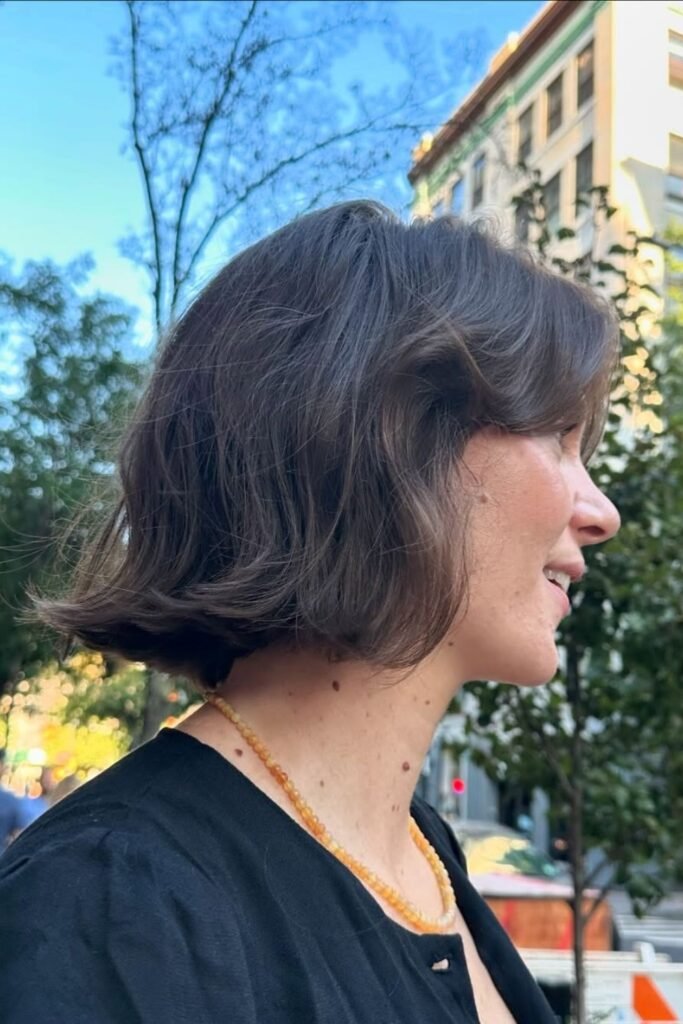
Natural Bend Finish
You can keep layers minimal and let the ends dry with their natural curve, using only a touch of smoothing cream.
If your hair has a slight wave or soft movement, you’ll see how this keeps the bob from looking stiff.
Clean Center Line
If your hair is naturally straight or smooths easily, you can make a clean center part and see how the cut looks intentional and strong.
This works best if you want maximum polish and don’t mind maintaining a precise shape.
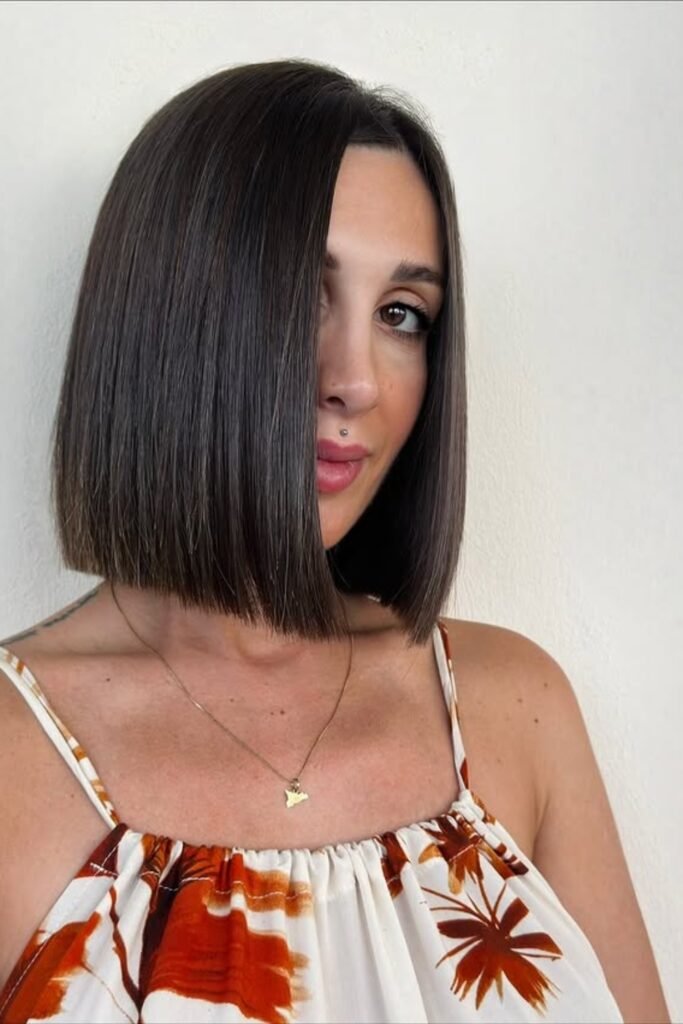
Collarbone Precision
This version works because the length sits just long enough to skim your collarbone without losing the blunt Italian bob shape.
If jaw-length feels too short on you, you can keep the same fullness but add a bit more flexibility.
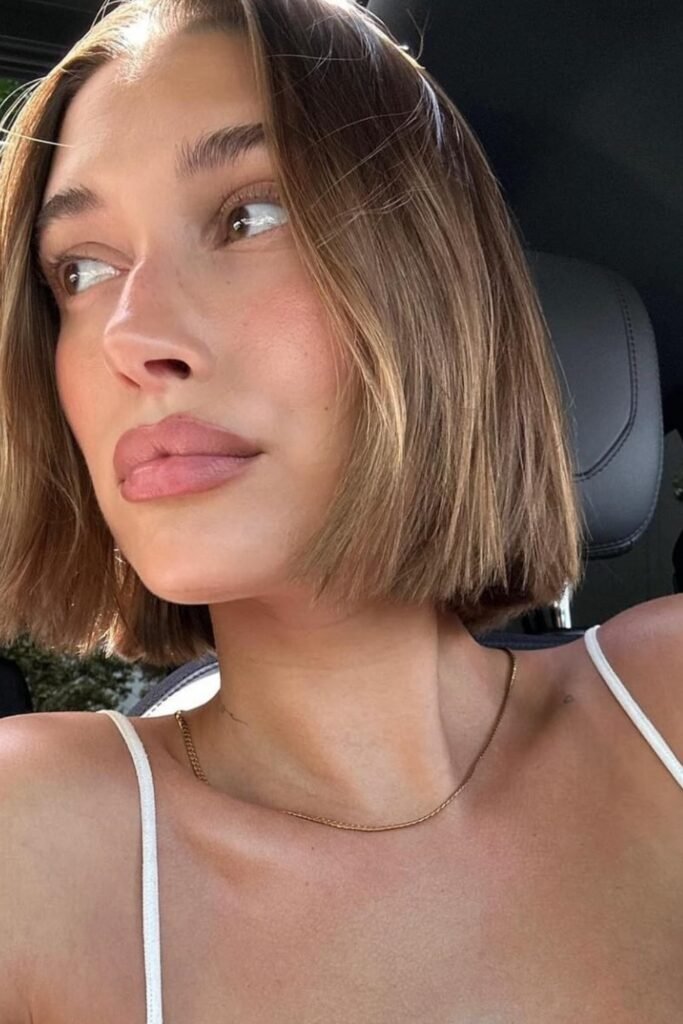
Soft Wave Weight
Your hair has texture, you shouldn’t fight it with too many layers, over-layering will thin the shape.
You can air-dry with a light cream and scrunch gently. It’s ideal if you want movement without losing the Italian bob’s fullness.

Fringe Soft Frame
A clean bob feels too sharp around your face, you can add a soft fringe to create balance and make the cut easier to wear every day.
You can keep the bob blunt at the ends and ask for a light, face-skimming fringe that blends into the sides.
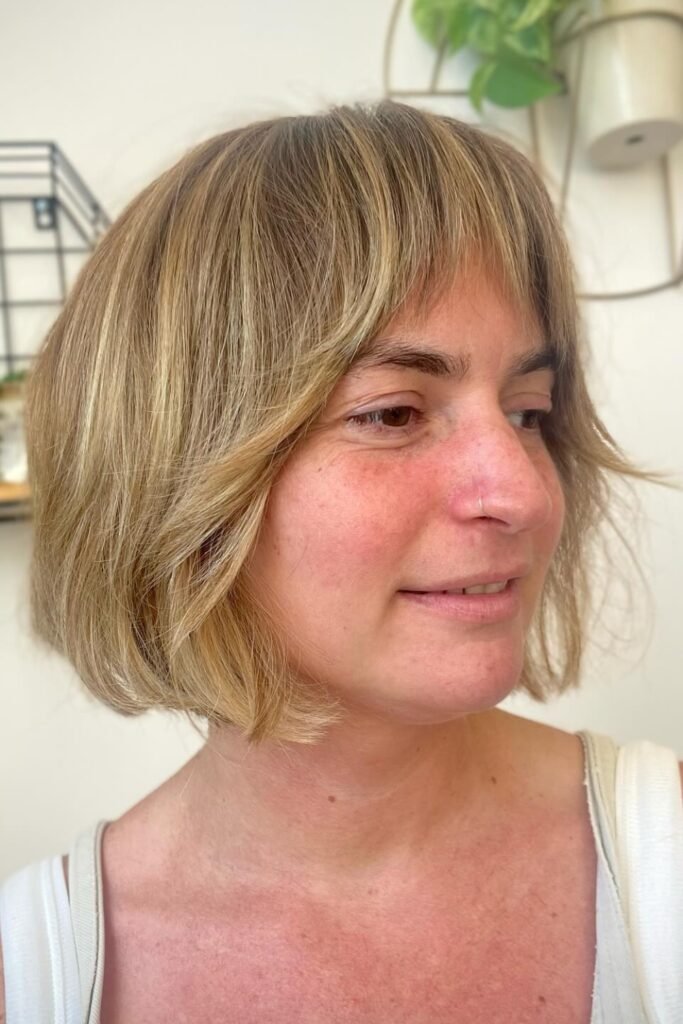
Subtle Front Length
This works because the front is left slightly longer than the back, which pulls the eye downward and slims your face.
You an keep the Italian bob blunt but ask for a gentle forward angle at the front. It’s ideal if you want structure without a harsh straight line.
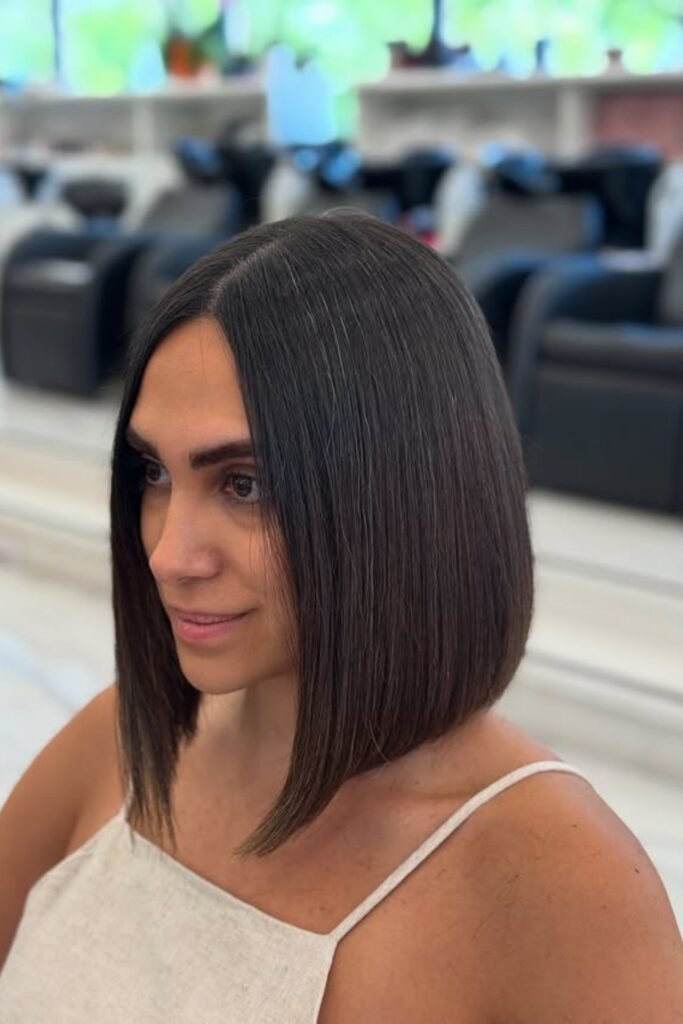
Soft Center Shape
When you try this version, you’ll notice the center part feels balanced because the sides carry fullness, not flattening your look.
If you like symmetry but worry a middle part might drag your face down, this shape lets you keep volume at cheek level.

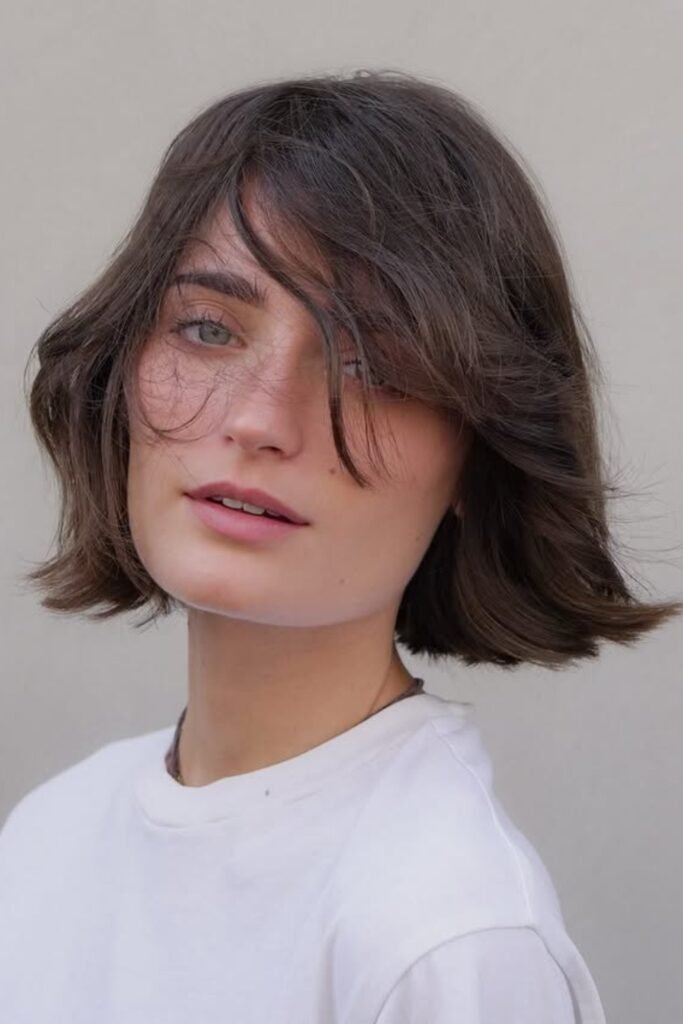
Airy Movement Control
You’ll see how the bob keeps its blunt base while the top layers stay loose enough to move naturally.
You should keep the perimeter blunt and let the front pieces dry naturally around your face.
Polished Wave Shape
When you add waves here, they sit nicely on top of a solid, blunt base instead of breaking it apart.
You can cut the bob blunt at the ends and style with loose curls, brushing them out slightly.
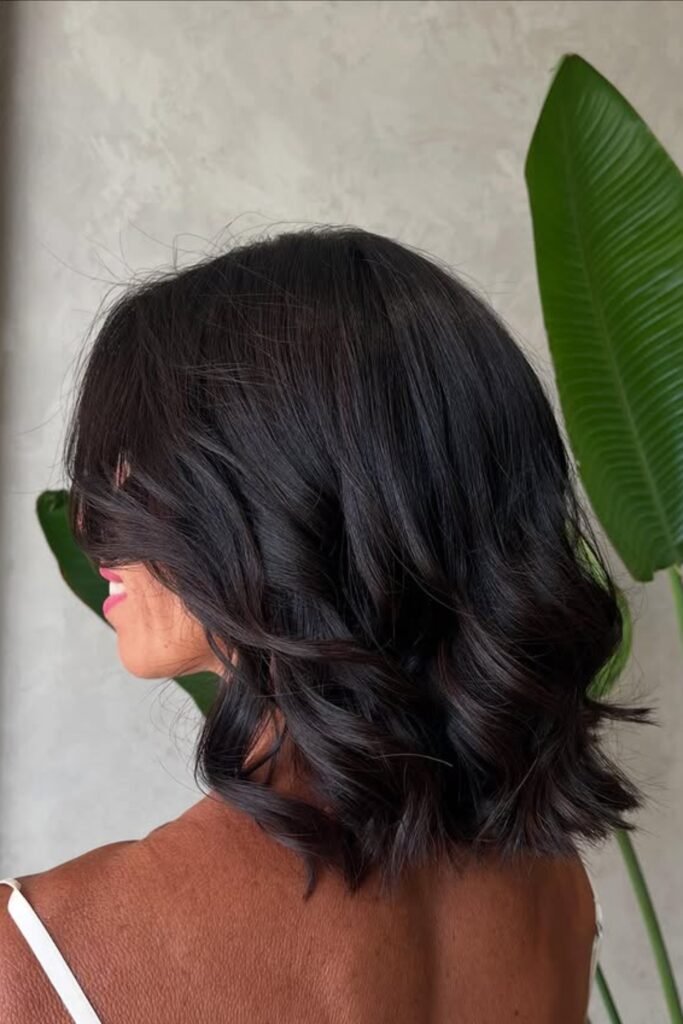
Soft Length Transition
The length drops just past the jaw and blends forward, which makes it easier for you to wear every day.
If a strict chin-length bob feels too bold for you, this soft transition keeps the Italian bob shape without feeling abrupt.

Defined Wave Base
When you add waves, they sit on a strong, blunt base instead of being layered away.
To recreate it, you can keep the Italian bob solid at the ends and add waves with a medium barrel iron, leaving the tips slightly straighter.
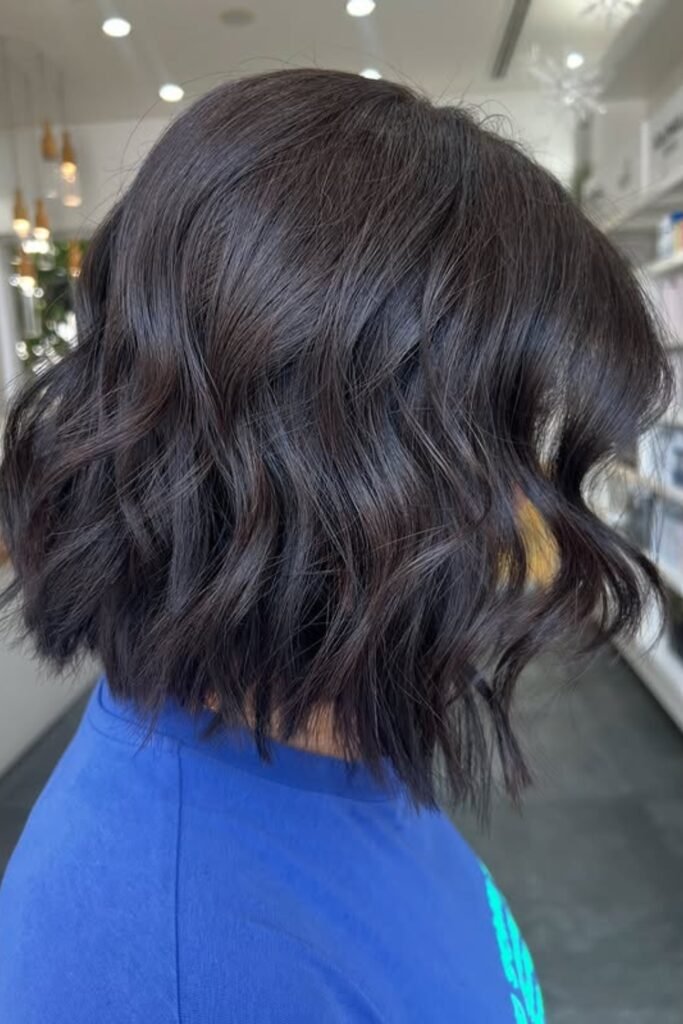
Rounded Back Shape
If your hair collapses at the crown, this rounded shape gives you natural volume without layers.
It’s perfect if you want fullness from the back while keeping the Italian bob clean and structured.
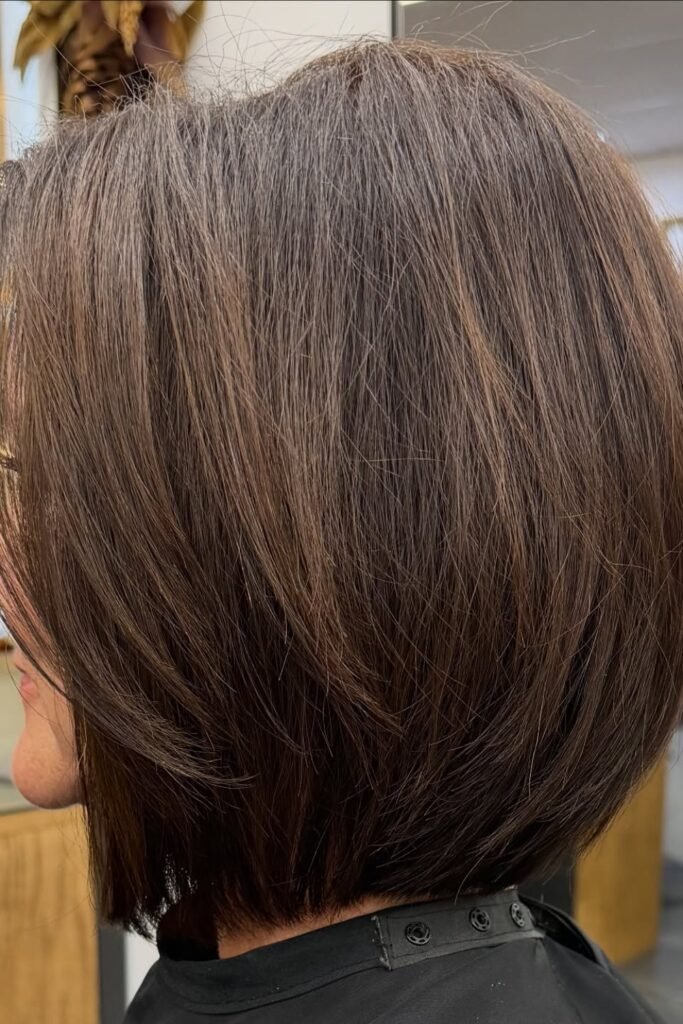
Fringe Movement Focus
When you style your fringe this way, it carries most of the softness while the rest of the bob stays solid.
It’s ideal if you want flexibility around your face without turning the cut into a layered bob.

Face-Framing Balance
When you try this version, the front pieces are slightly lighter while the rest of the bob stays solid.
If a blunt bob feels too heavy around your cheeks, this soft framing fixes that without creating layers.
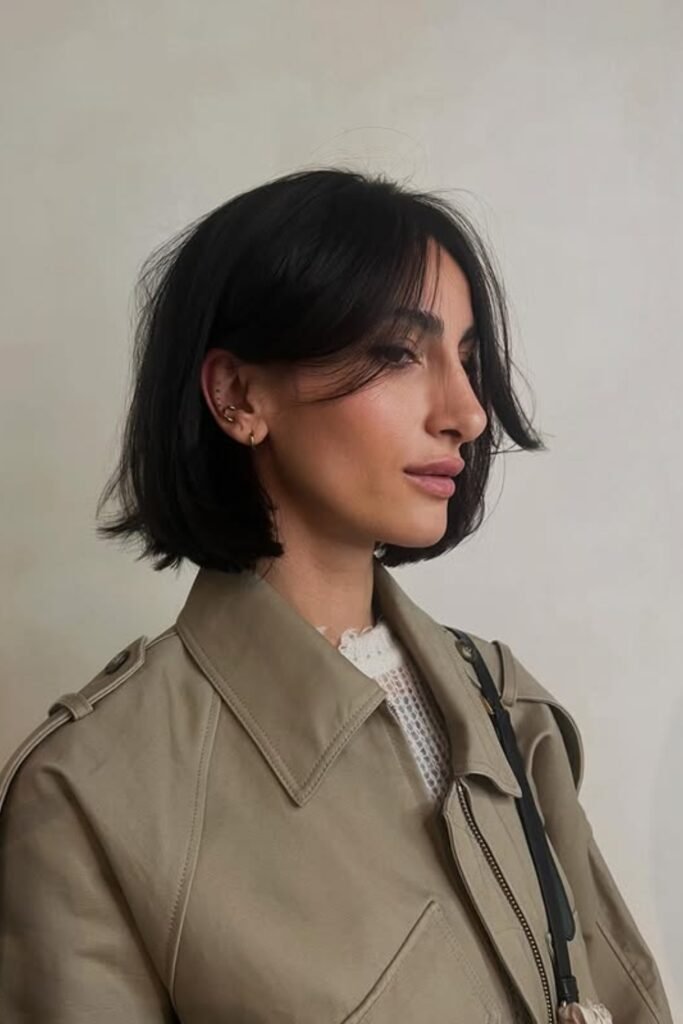
Curved End Polish
If your bob feels plain when worn sleek, this small curve gives a clean finish. It’s ideal if you want a classic Italian bob that looks refined without heavy styling.
To recreate it, you can keep the cut blunt at chin length and blow-dry with a round brush, focusing on the last inch of hair.
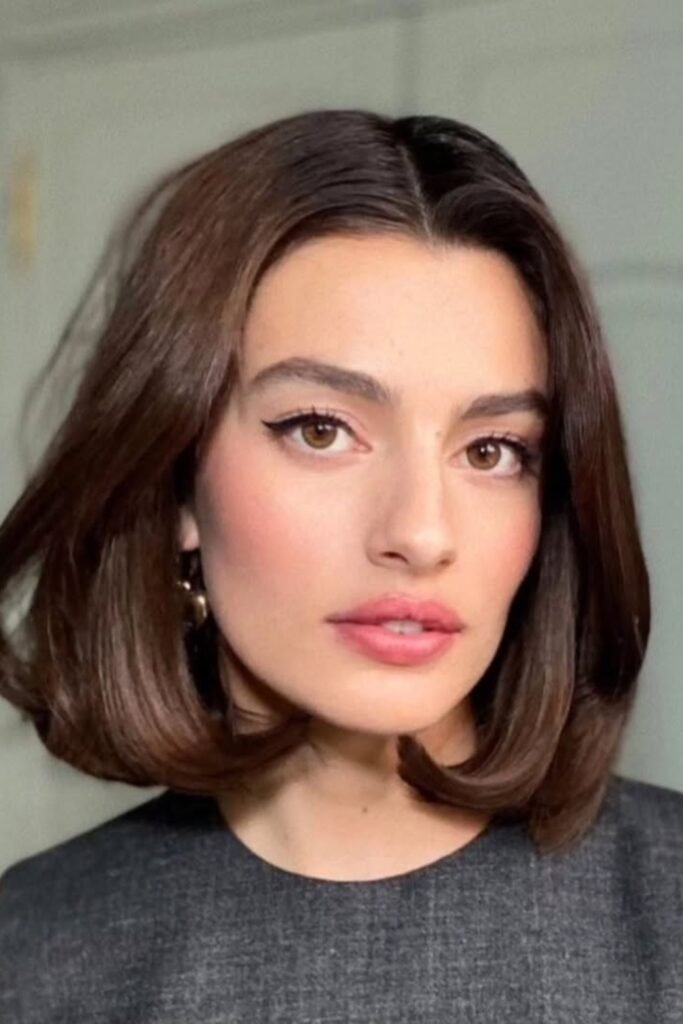
Sculpted Side Curve
When you shape the bob along your jawline, it follows your profile instead of cutting straight across.
It’s perfect if you want a refined Italian bob that flatters you from every angle. If a blunt line feels too harsh, this soft curve keeps the structure but adds balance.
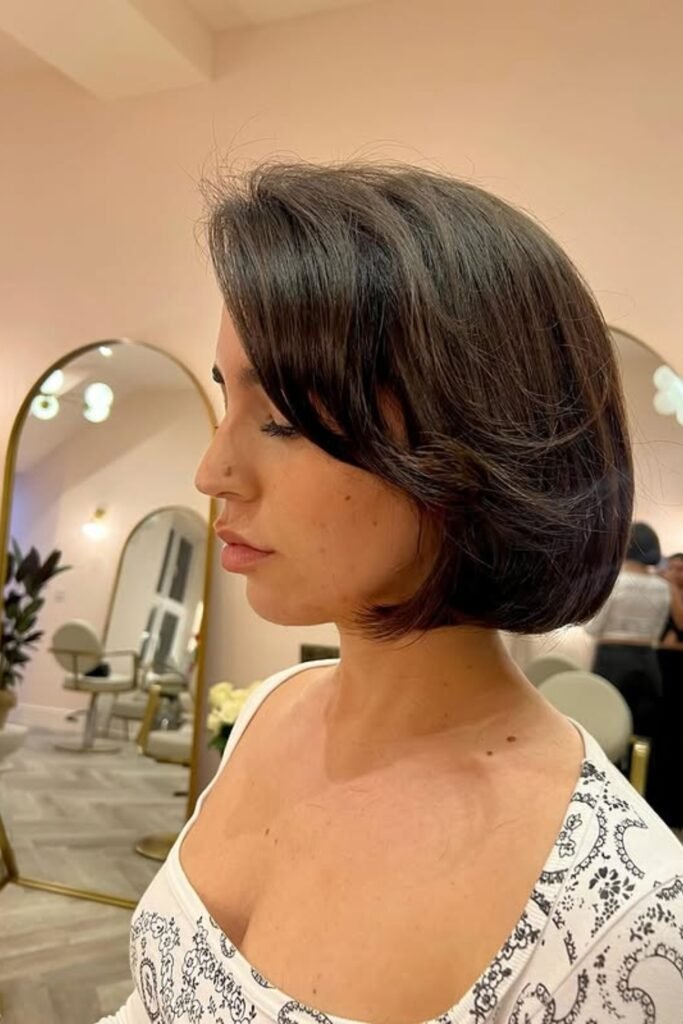
Lifted Crown Shape
When you go for this version, you’ll notice the volume starts at your crown, not the ends.
To recreate it, you can keep your Italian bob blunt at the bottom and build lift at the roots while blow-drying, using a round brush or a little mousse.
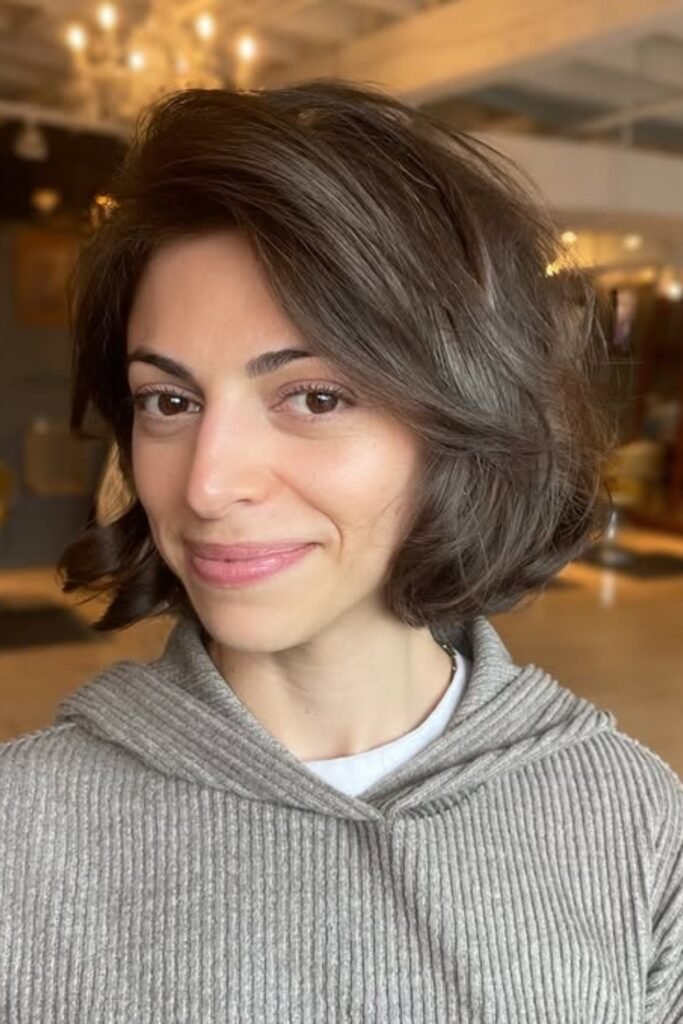
Soft Texture Control
You will see how texture is added on top of a solid cut instead of being created by thinning your ends.
You should keep your Italian bob blunt at the base and add light texture only through styling, not cutting.
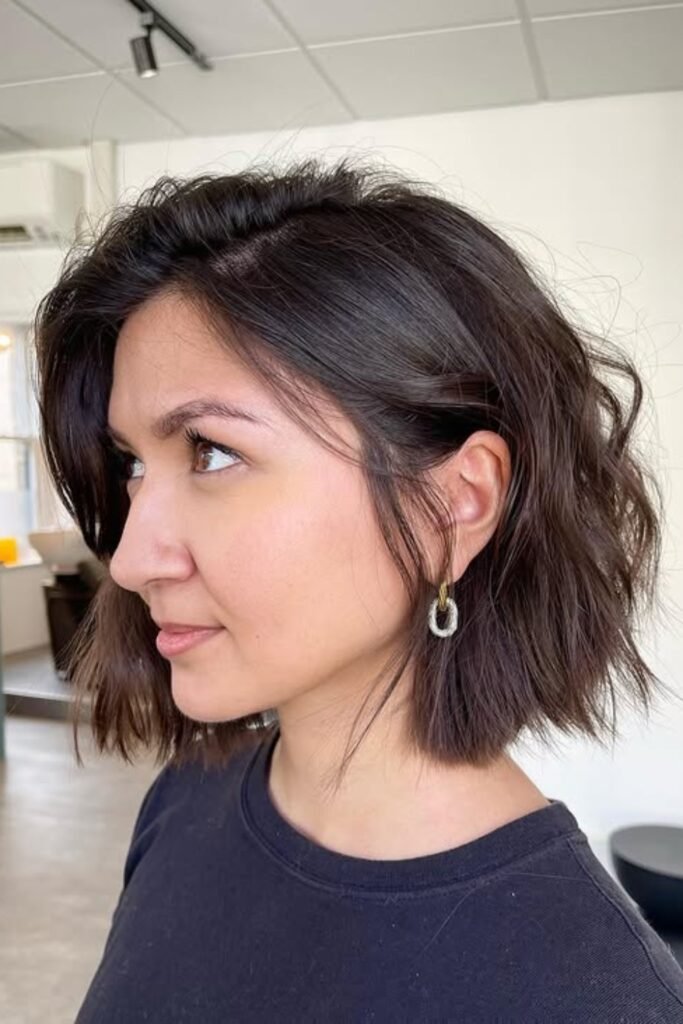
Glasses-Friendly Shape
If too much bulk gathers near your temples, a bob can feel awkward, but this keeps things neat.
You can keep the cut blunt and ask for subtle tapering around the front so your hair rests smoothly behind or just over the frames.

Lived-In Texture
If your hair has a loose wave or dries with natural bends, this keeps the Italian bob from feeling stiff.
You can keep the ends blunt and let your hair air-dry or diffuse lightly. It’s ideal if you want a wash-and-go bob that still looks full, polished, and effortless.

FAQs
Is an Italian bob high maintenance?
It might seem simple, but the cut really does need intention. You will notice the shape relies on clean, precise ends, so if you skip trims for too long, it can lose its structure.
You don’t have to fuss every day, a quick blow-dry or a bit of light styling usually brings it back.
For you, it’s more about keeping up with maintenance than putting in a big daily effort.
Does an Italian bob work for fine hair?
Yes, and that’s actually one of the cut’s biggest strengths. You will see how keeping the ends blunt instead of thinning them out makes fine hair look fuller.
The key for you is to avoid heavy layers. If you keep the cut solid at the base, you will notice your fine hair holds the shape much better and feels more structured.
You may like to read!
