
22 Low Haircut Black Men Ideas for 2026
You sit in the barber chair thinking you asked for a low haircut, but five minutes later the clippers are halfway up your head.
The fade is too high, the hairline feels pushed back, and now you’re stuck with a cut you didn’t want.
That’s the problem most men face with “low haircuts”, the term sounds simple, but everyone means something different.
In this article, you will see exactly what a low haircut really is, and then 22 ideas specifically for black men to try.
Let’s jump in!
What Is a Low Haircut for Black Men?
A low haircut for Black men refers to a hairstyle where the hair is cut very short on the sides and back, with the fade or taper starting low near the natural hairline around the ears and neckline.
This type of haircut keeps the top slightly longer while gradually blending the hair downward for a clean and smooth appearance.
The low fade is one of the most popular versions of this haircut.
In a low fade, the barber begins fading the hair just above the ears and curves around the head toward the back of the neck.
This creates a subtle and natural transition between the longer hair on top and the shorter hair on the sides.
Because the fade starts lower on the head, the overall look is less dramatic and more professional, making it suitable for both casual and formal settings.
Low haircuts work especially well with coarse, curly, or textured hair, which is common among many Black men.
The style enhances natural hair texture while keeping the sides neat and easy to maintain. It can be paired with many top styles, such as waves, curls, twists, short afros, or a clean buzz cut.
One reason this haircut is so popular is its versatility and low maintenance.
The shorter sides help keep the haircut looking fresh for longer, while the slightly longer top allows room for personal styling.
Many men also add details like line-ups, edge-ups, or beard fades to create a sharper and more defined look.
Overall, a low haircut for Black men is a clean, stylish, and timeless choice that highlights natural hair texture while maintaining a polished appearance.
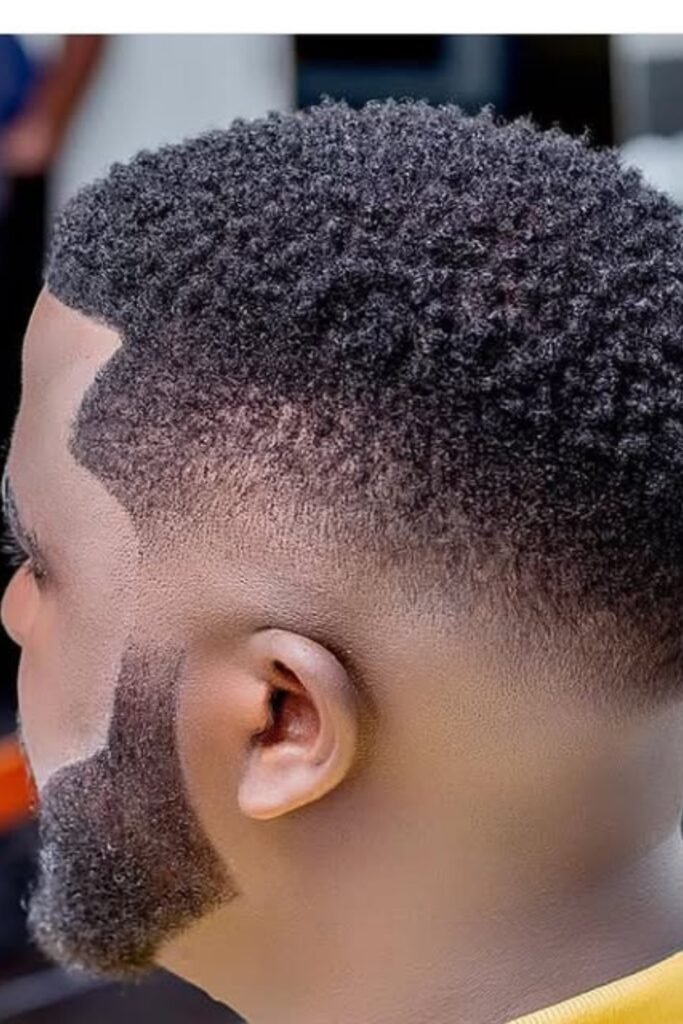
Clean Low Taper
This cut is all about keeping things tight without overdoing it. The taper stays low and smooth around the ear, so nothing creeps too high up the head.
The top keeps its natural curl pattern, which helps your hair look thicker and healthier. This works best if you want a polished look for work or daily wear.
Tell your barber to keep the taper subtle, protect the hairline, and blend the beard softly so the cut grows out clean instead of patchy.
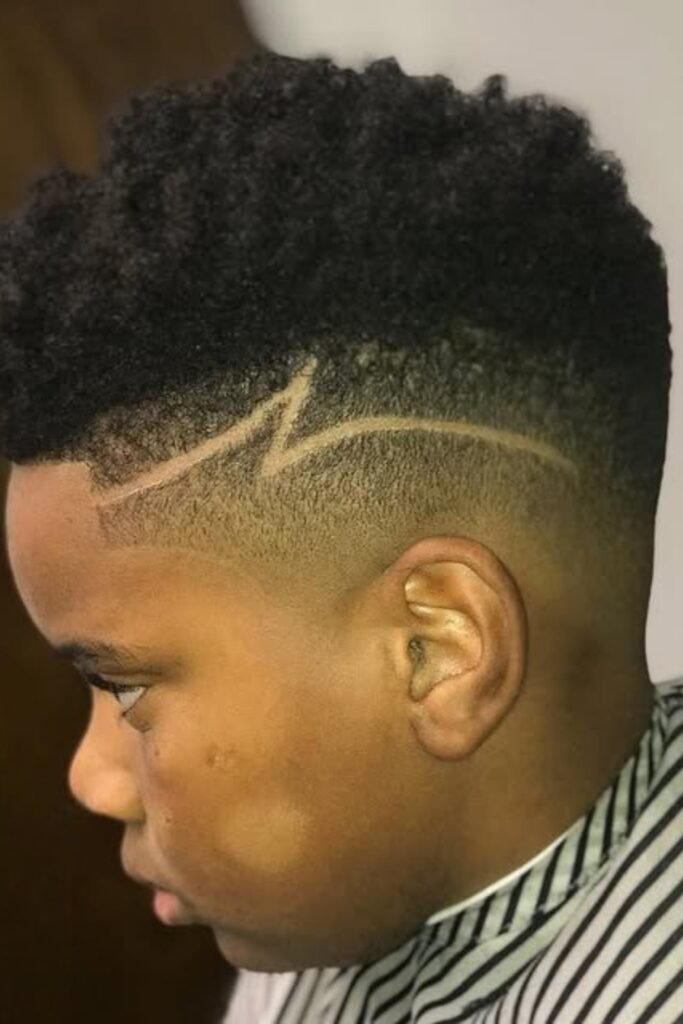
Low Fade Design
What catches attention here isn’t the fade alone, it’s the sharp design cut clean into the side.
The fade stays low and tight around the ear, while the top keeps enough height to balance the look. This works best if you want something bold without going extreme.
To recreate it, ask for a low fade, keep the top natural, and add a simple line or lightning-style design that sits above the fade, not deep into it.
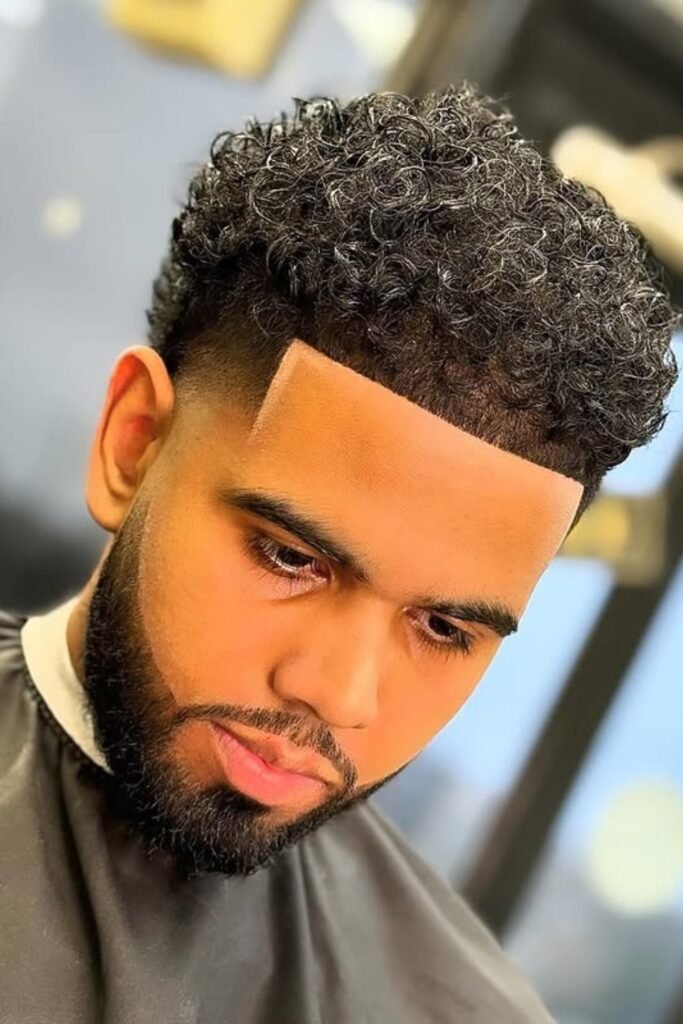
Low Fade Curls
What makes this style hit is the sharp contrast between the clean hairline and the soft curls on top.
The fade drops low around the temple, so the cut stays tight without climbing too high up the head.
It’s a strong option if you want something modern but still controlled.
To get it right, tell your barber to keep the fade low, square up the lineup lightly, and leave enough curl length so the top doesn’t look flat once it grows out.
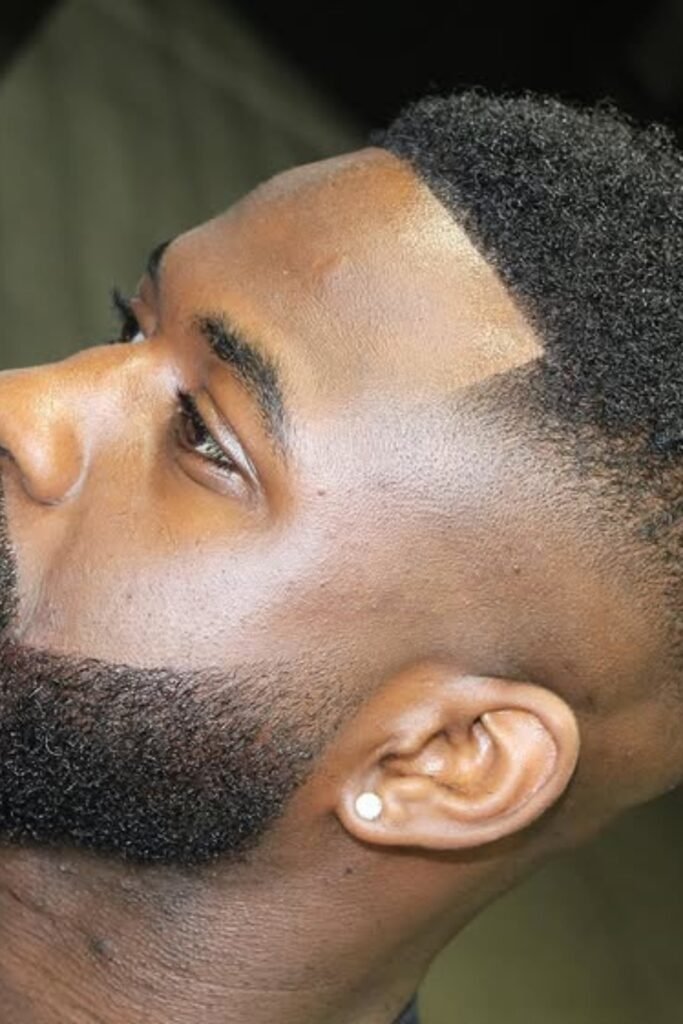
Low Fade Beard
The clean beard connection is what carries this look. The fade stays low and tight, which keeps the haircut sharp without cutting too high into the sides.
The squared lineup adds structure, while the beard gives weight and balance to the face. This works especially well if you want a mature, confident look that still feels fresh.
To recreate it, keep the fade low, don’t overcut the temples, and ask for a smooth beard blend instead of a hard stop.
Low Fade Waves
This haircut works because it keeps everything tight while letting the waves stay visible and defined.
The fade starts low around the ear, so the wave pattern doesn’t get cut off or thinned out. It’s a solid option if you want a clean look that still shows effort and grooming.
To recreate it, ask for a low fade, keep the top brushed and even, and make sure the barber protects the wave line instead of fading into it too high.
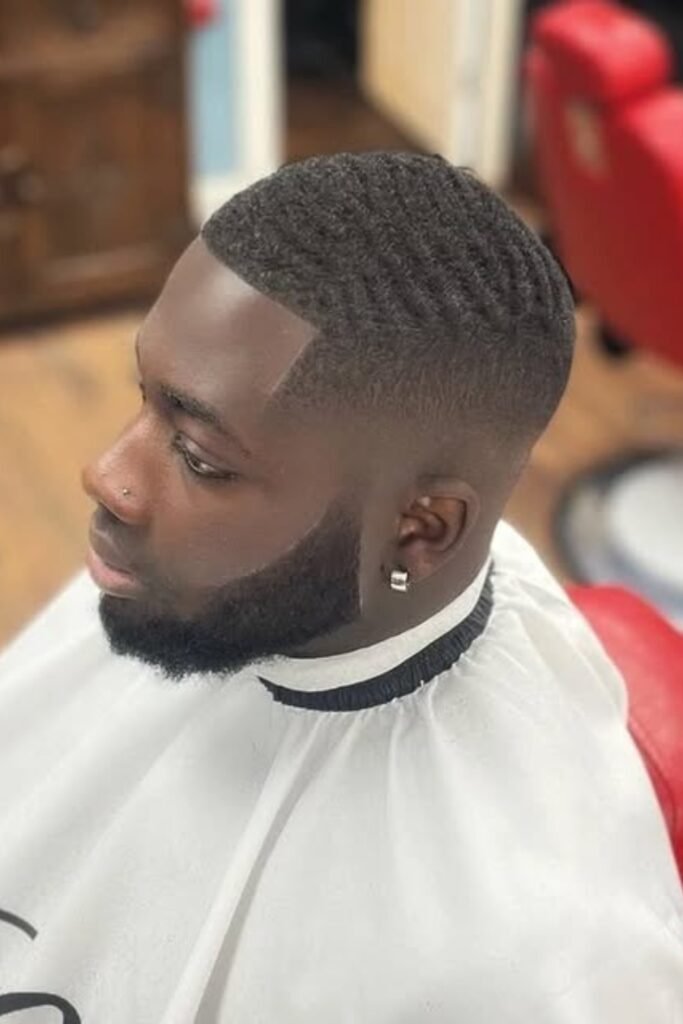
Low Taper Curls
Sharp edges meet natural texture here, and that contrast is the whole point.
The taper stays low and clean around the ear, so the curls on top don’t lose their shape or fullness. This is a smart pick if you want something neat without flattening your hair.
To recreate it, tell your barber to keep the taper subtle, line up the front without pushing it back, and blend the beard just enough so the cut looks connected, not boxed in.
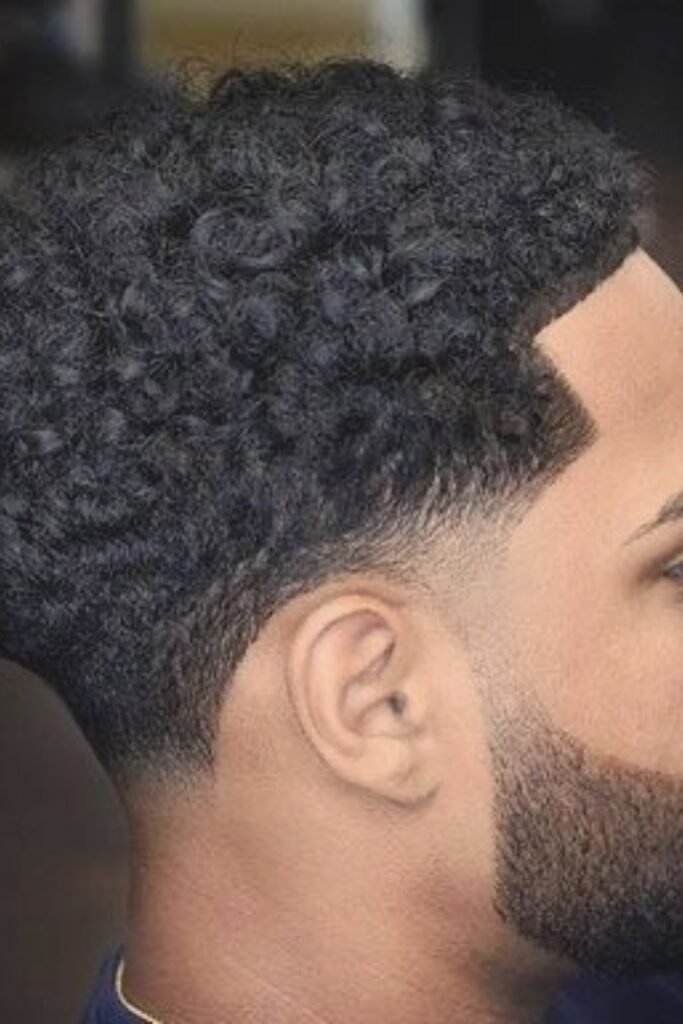
Subtle Low Taper
Nothing about this cut tries too hard, and that’s why it works. The taper stays low and quiet around the ear, keeping the focus on the natural curl pattern instead of the fade itself.
It’s a strong option for school, work, or anywhere you need to look clean without standing out too much.
To recreate it, keep the taper soft, ask for a natural lineup, and avoid taking the sides too short so the cut grows out evenly.
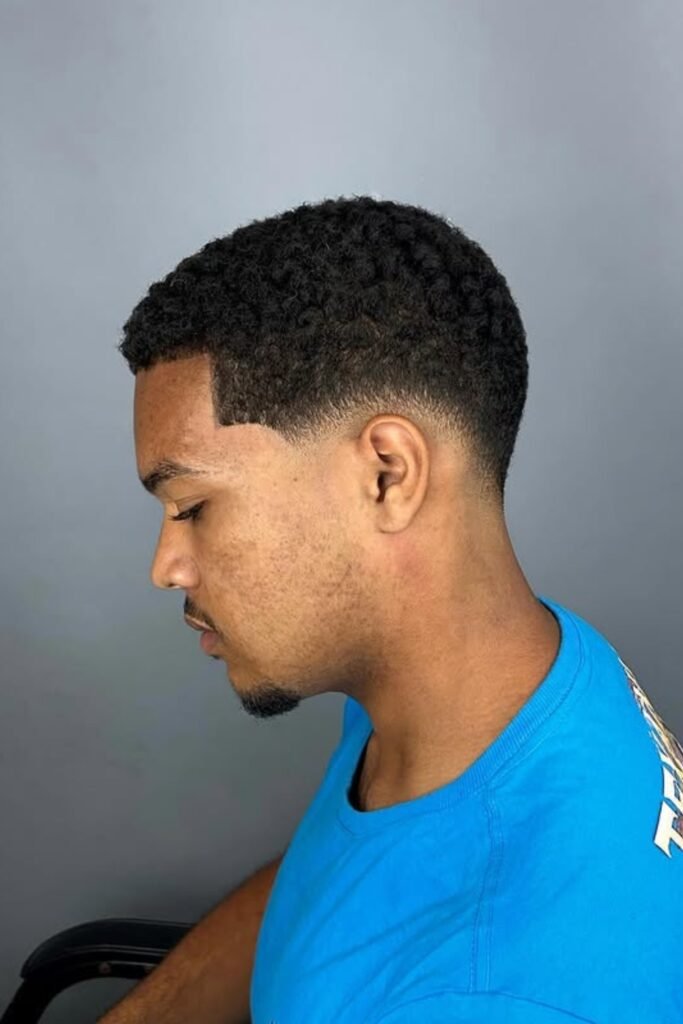
Low Drop Fade
The fade follows the natural curve of the head instead of cutting straight across, which keeps the shape smooth and balanced.
That drop toward the back makes this a strong choice if you want a low haircut that still looks detailed from every angle.
The curls stay compact on top, and the small side slash adds personality without taking over.
To recreate it, ask for a low drop fade, keep the top short and textured, and place any design above the fade so it doesn’t break the blend.
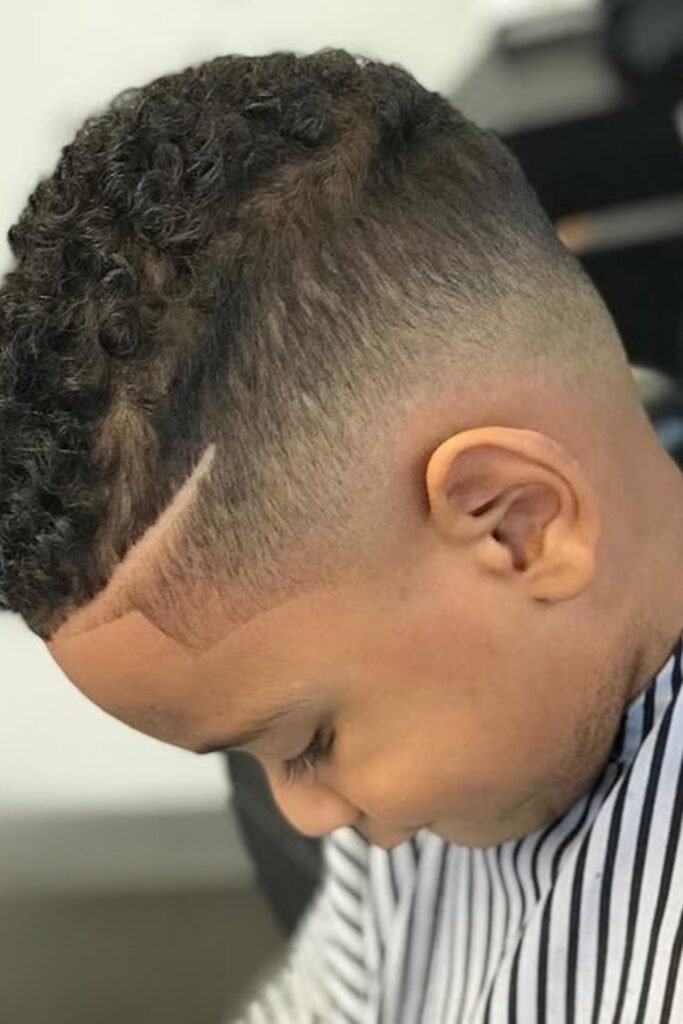
Low Taper Shape
The clean shape is doing all the work here. The taper stays low and tight, which keeps the sides neat without cutting too deep into the head.
The top keeps its natural height, so the haircut still feels full and balanced. This is a great option if you want something sharp that still looks natural in everyday life.
To recreate it, ask for a low taper, a crisp but natural lineup, and make sure the barber blends the sides instead of fading them too high.
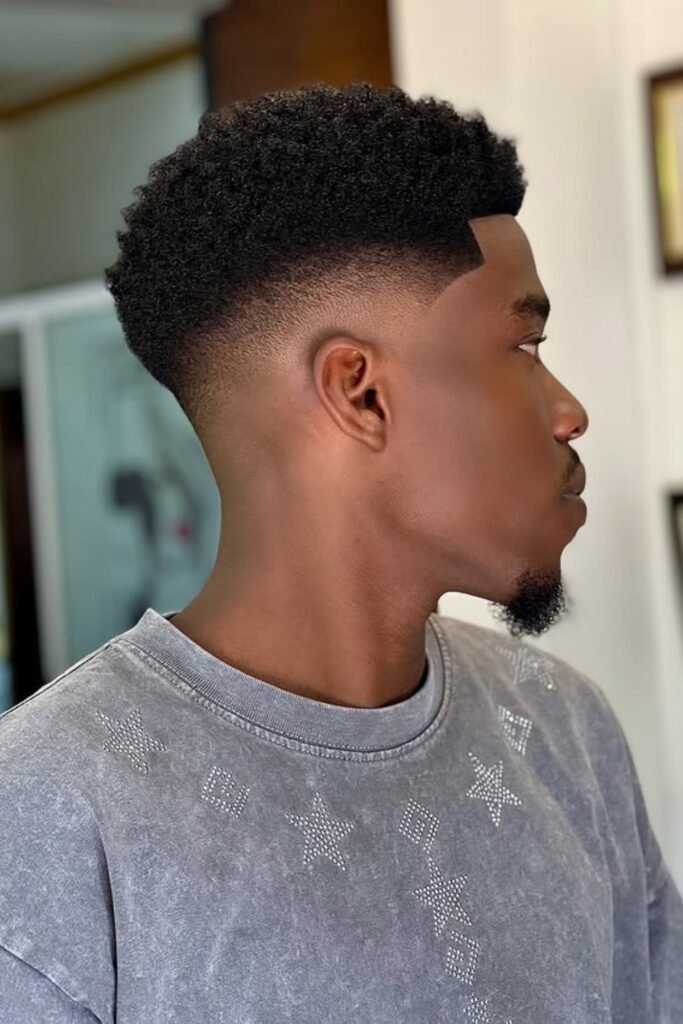
Low Bald Fade
This haircut is about precision and restraint. The fade drops all the way down to skin but stays low around the ear, which keeps the cut clean without making the head look overly shaved.
The short waves on top stay intact, giving the style a neat, uniform finish instead of a harsh contrast. This works best if you want a sharp, professional look that still feels modern.
To recreate it, ask for a low bald fade, keep the top evenly brushed, and request a crisp lineup without pushing the corners back.
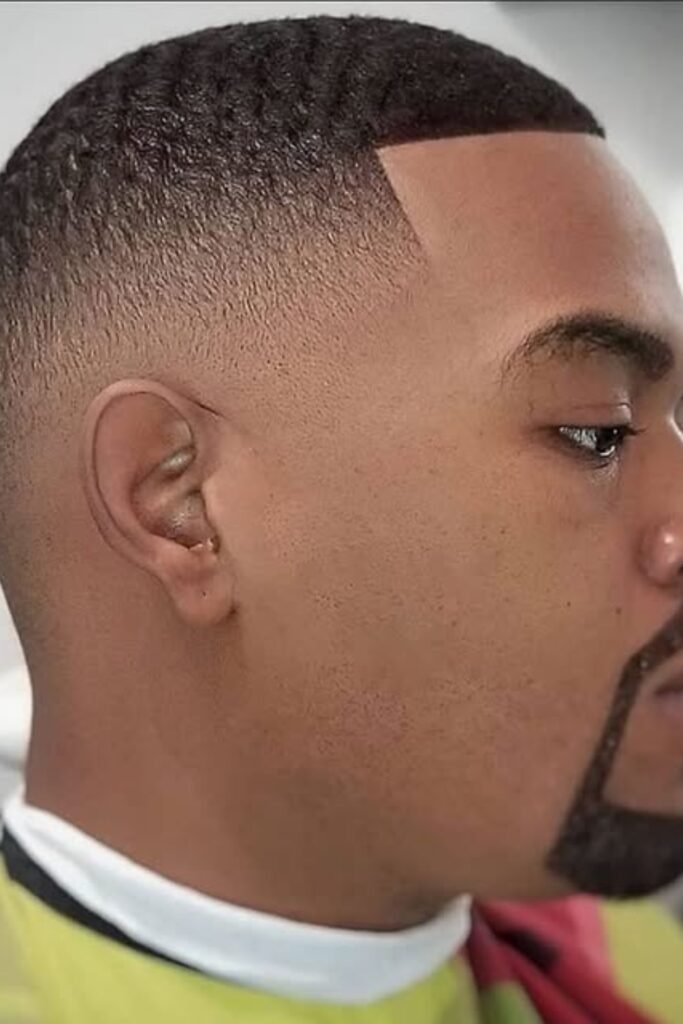
Low Fade Curls
This haircut keeps things clean without stripping away your natural texture.
The fade stays low and smooth around the ear and neck, which helps the curls on top stand out instead of looking disconnected.
It’s a solid choice if you want a sharp look that still feels natural and easy to maintain.
To get this right, ask your barber for a low fade that blends gradually, keep enough length on top for curl definition, and request a natural lineup so the haircut grows out evenly without harsh lines.
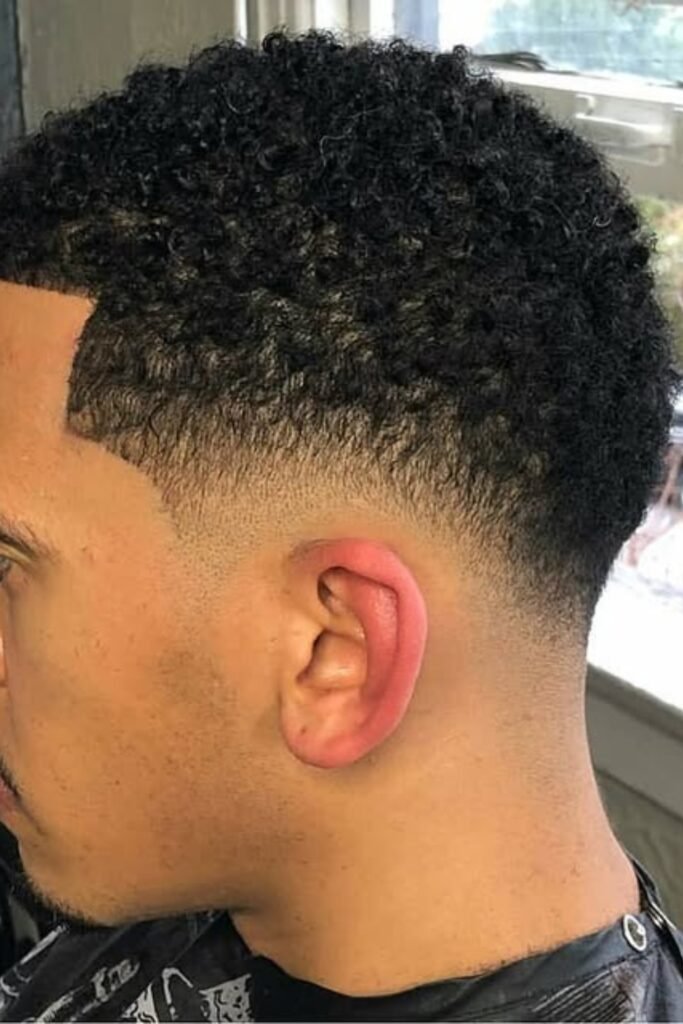
Low Taper Fade
This cut keeps everything sharp without looking overdone.
The taper starts low around the temple and ear, which helps the head keep its natural shape while the top stays full and textured.
It’s a great option if you want a clean, confident look that works for everyday life and professional settings.
To recreate it, ask for a low taper fade, a crisp but controlled lineup, and enough length on top so the texture doesn’t disappear once the cut starts growing out.
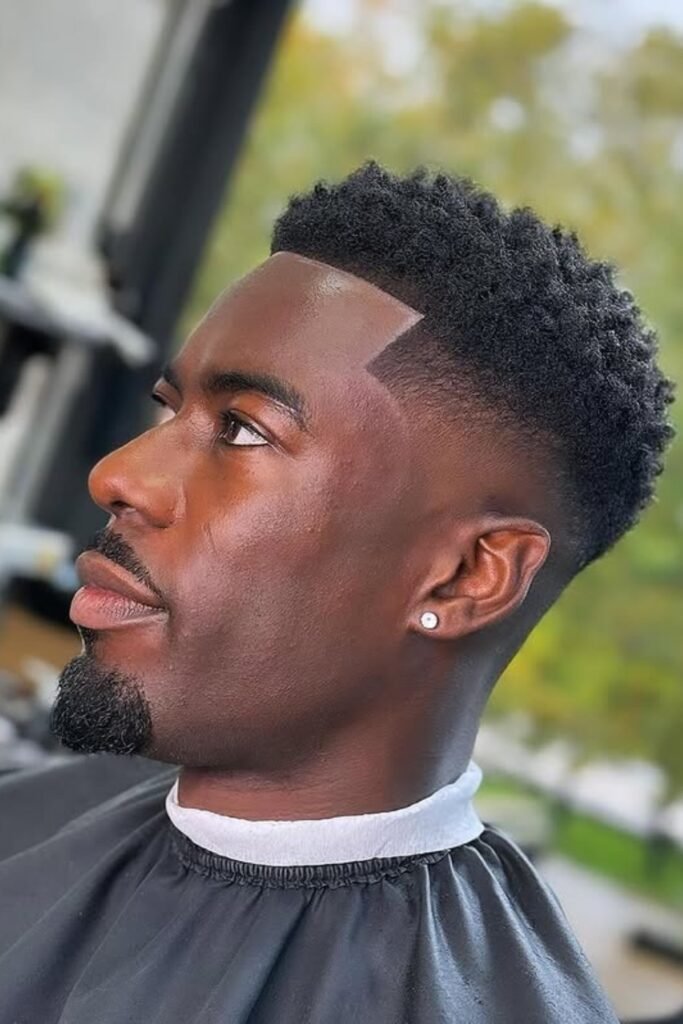
Low Skin Fade
This cut is about keeping things ultra clean without going too aggressive.
The fade drops low and blends all the way into the skin, but it stays controlled so the head doesn’t look overly exposed.
The short afro on top keeps the look balanced and masculine instead of flat. This works best if you want a sharp, low-maintenance haircut that always looks fresh.
To recreate it, ask for a low skin fade, keep the top evenly shaped, and tell your barber to blend slowly so there’s no harsh jump between lengths.
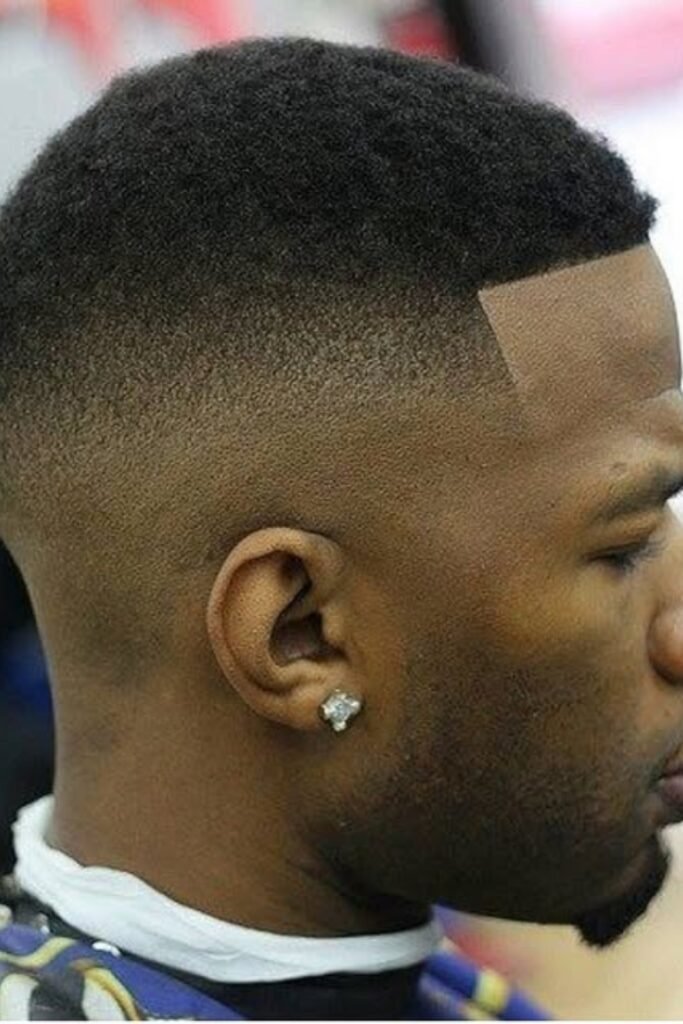
Low Fade Afro
This haircut proves you don’t need to cut everything down to look sharp. The fade stays low and clean around the sides, which keeps the afro on top looking full instead of bulky.
The contrast between the soft texture and the tight fade gives the style structure without killing volume.
This works best if you like your natural hair but still want a polished finish.
To recreate it, ask for a low fade, keep the afro shaped not thinned, and blend the beard clean so the cut looks intentional from every angle.
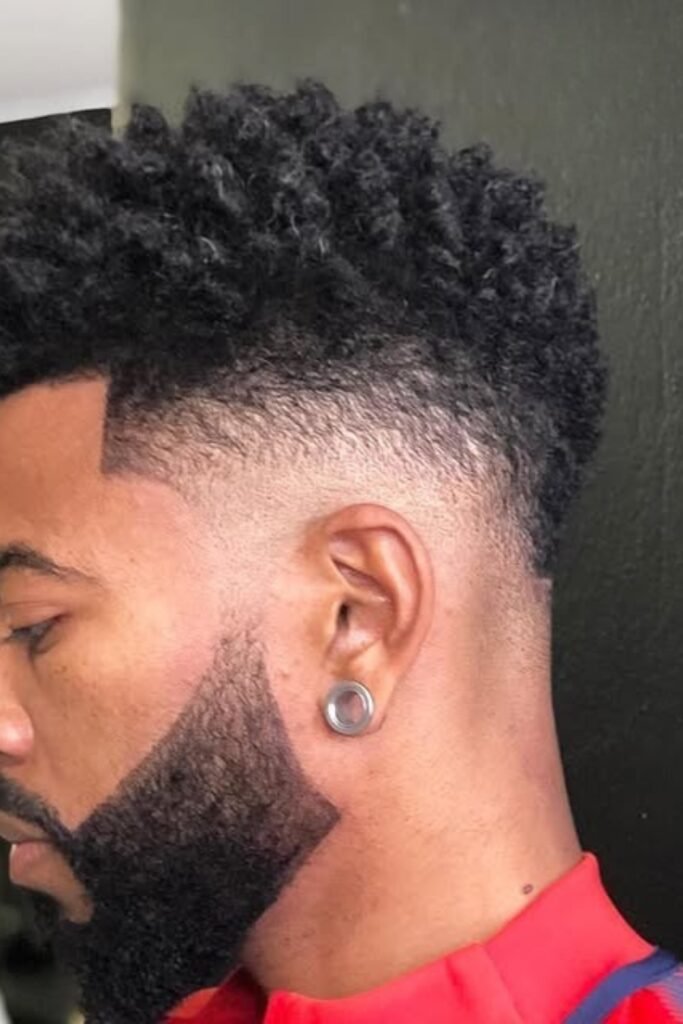
Low Taper Afro
This style keeps things clean without forcing the hair to behave unnaturally.
The taper sits low around the temple and ear, so the afro on top keeps its natural shape and texture instead of looking chopped down.
The sharp lineup adds structure, which makes the whole cut look intentional and well-kept. This works best if you want a neat appearance that still feels youthful and natural.
To recreate it, ask for a low taper, a crisp but conservative lineup, and make sure the barber shapes the afro rather than thinning it out.
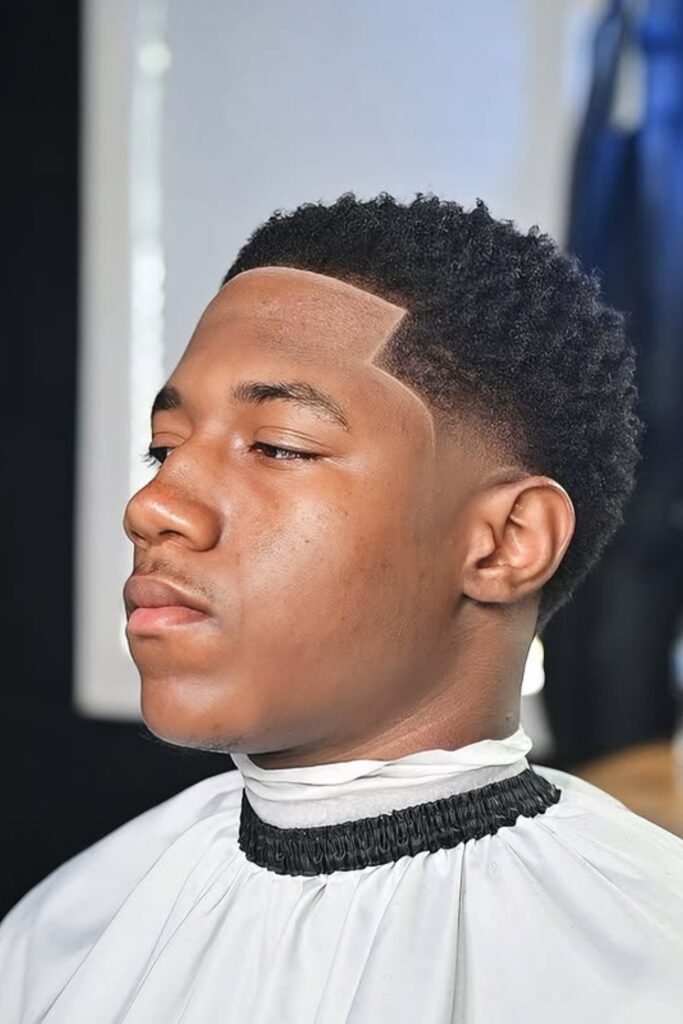
Soft Low Taper
This look is all about smooth transitions instead of sharp contrasts. The taper stays low and gradual, which lets the curls on top keep their natural shape without looking heavy.
Nothing feels forced here, from the sides to the beard connection. It’s a great option if you want a clean cut that still feels relaxed and grown.
To get this right, ask your barber for a low taper with a soft blend, keep curl length on top, and make sure the beard fades in naturally rather than cutting off hard.
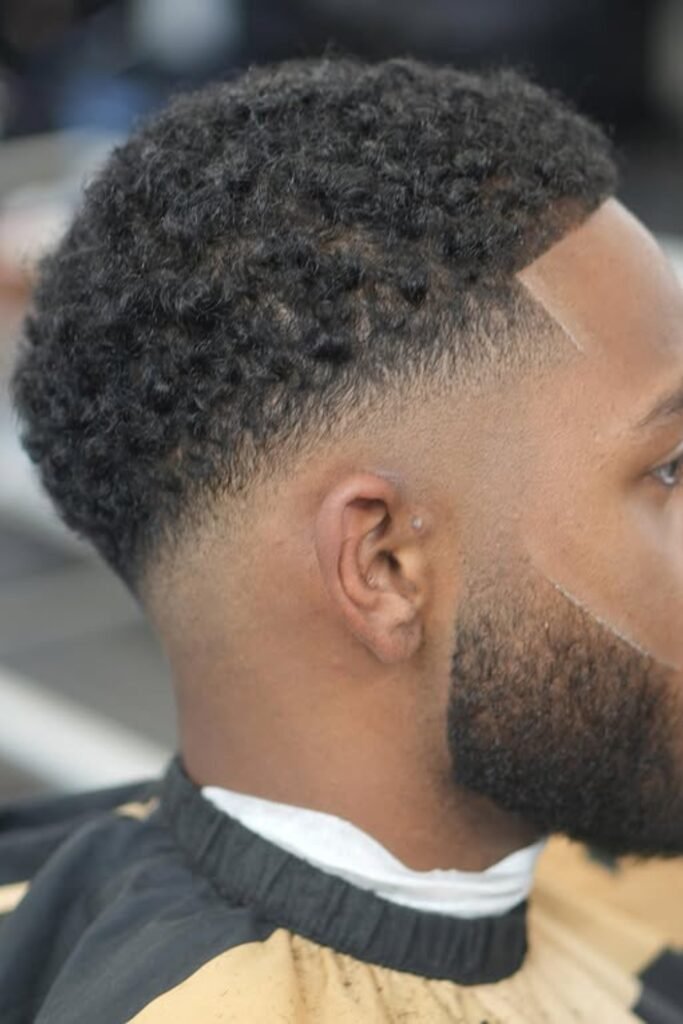
Low Wave Fade
This cut keeps the waves clean without cutting into their pattern. The fade stays low and controlled around the ear, so the waves on top remain visible and even instead of getting washed out.
It’s a smart choice if you want a sharp look that still shows effort and discipline.
To recreate it, ask for a low fade that stops below the wave line, keep the top brushed and uniform, and tell your barber to blend patiently so the waves don’t lose definition as the cut grows out.
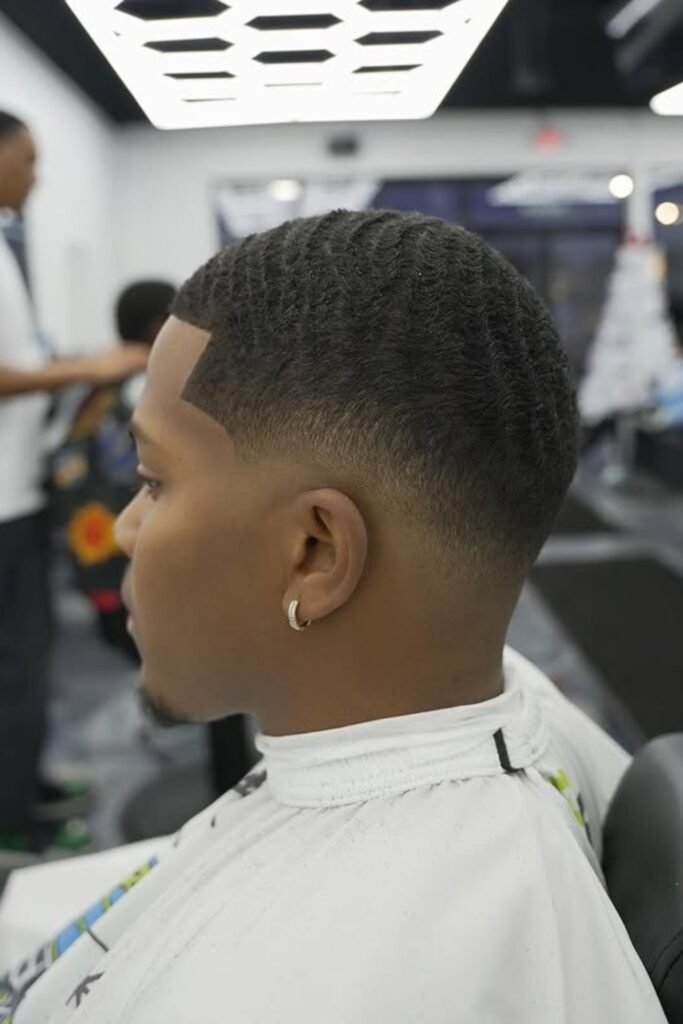
Low Taper Beard
The sharp lineup grabs attention first, but the real strength of this cut is how controlled everything feels.
The taper stays low and clean around the temple, which keeps the curls on top full instead of thinning them out.
The beard adds weight to the face and balances the crisp edges, making the look feel mature and intentional.
This works best if you want a polished style without going too aggressive. To recreate it, ask for a low taper, protect the hairline, and blend the beard smoothly so nothing looks disconnected.
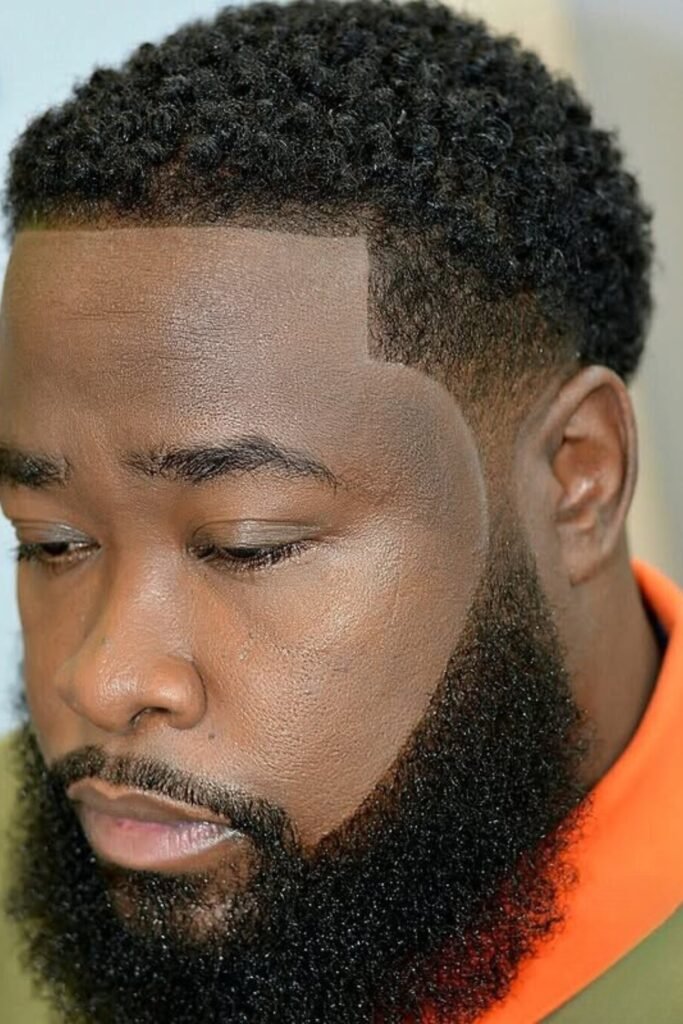
Low Fade Beard
This haircut works because everything is kept in proportion. The fade starts low and stays smooth, which keeps the sides clean without eating into the top.
The short afro stays full and shaped, while the beard adds structure and weight to the face. It’s a strong choice if you want a sharp look that still feels natural and masculine.
To recreate it, ask for a low fade with a gradual blend, keep the top shaped not thinned, and connect the beard softly so the transition looks intentional, not forced.
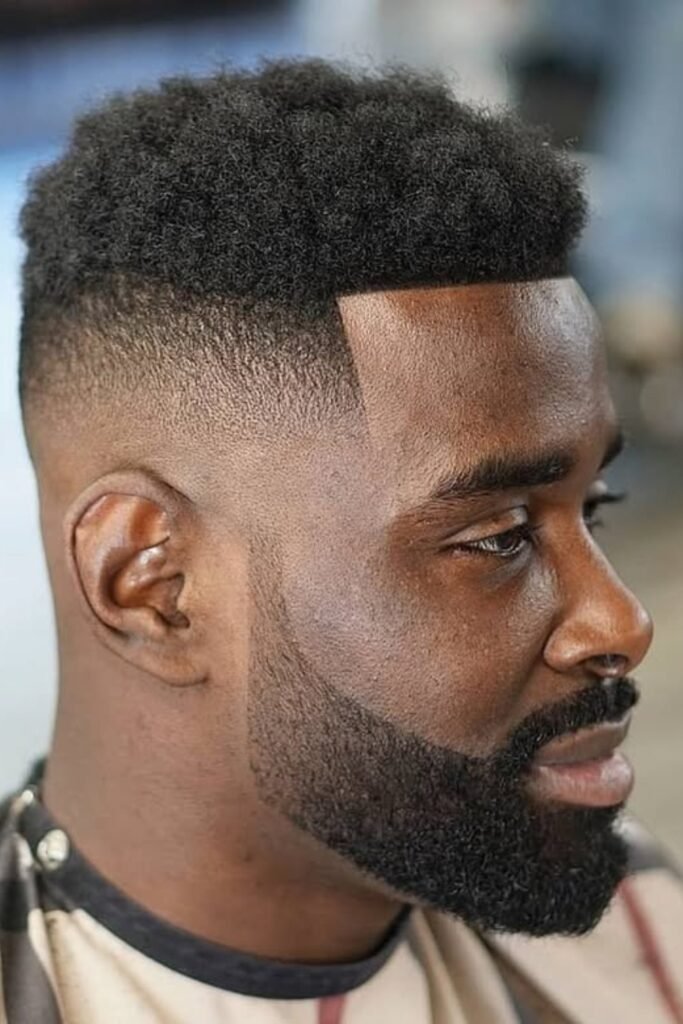
Low Wave Taper
This cut keeps the waves looking smooth and controlled without fading them out.
The taper sits low around the ear and neckline, so the wave pattern stays intact instead of getting chopped up. Nothing feels rushed or overcut, which is why it looks clean from every angle.
This is a solid choice if you want a low haircut that grows out neatly.
To recreate it, ask for a low taper, tell your barber to stop below the wave line, and keep the top evenly brushed for consistency.
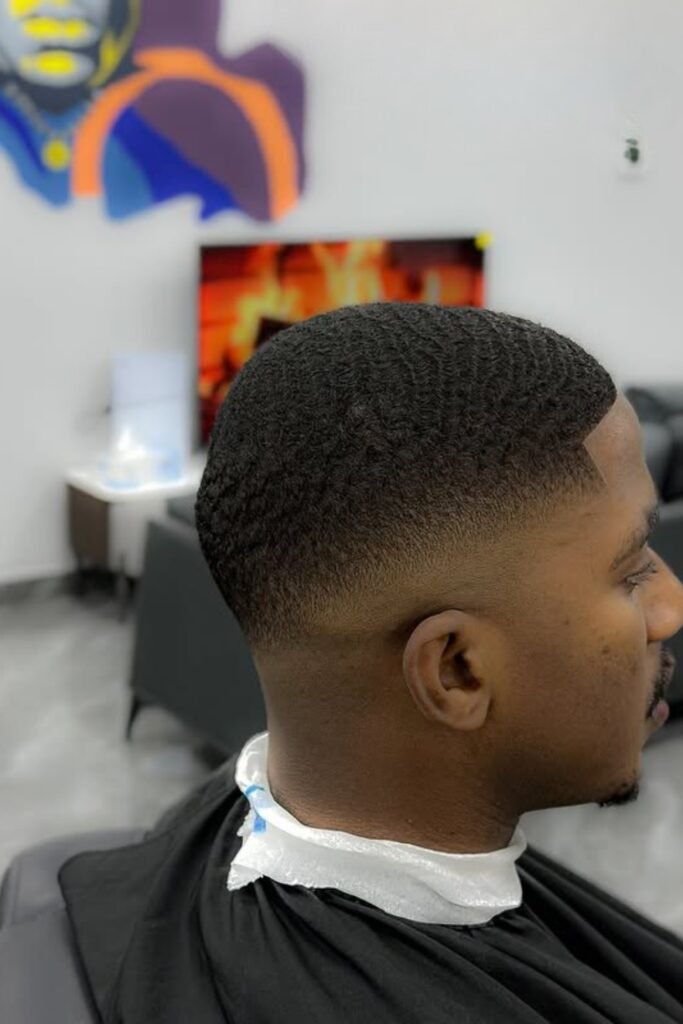
Low Taper Back
What stands out here is how clean the back looks without shaving everything down.
The taper stays low and tight around the neckline, so the cut looks neat while the curls on top keep their natural texture and height.
This is a great option if you care about how your haircut looks from every angle, not just the front.
To recreate it, ask for a low back taper, keep the neckline sharp but natural, and avoid taking the sides too high so the cut grows out smooth.
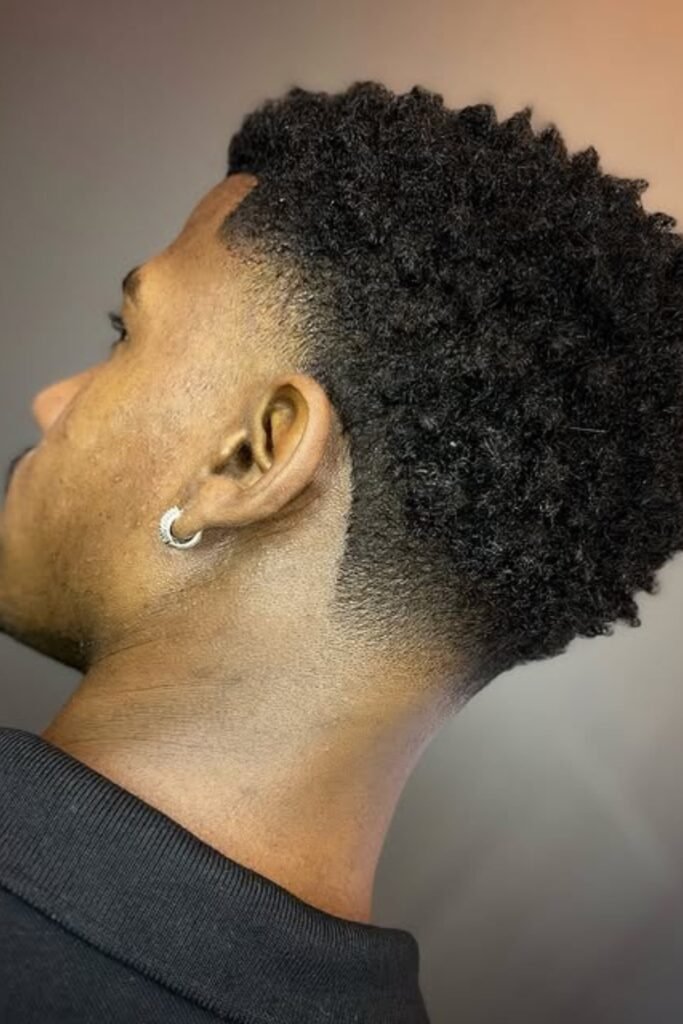
Low Fade Crop
This haircut keeps things tight, simple, and easy to manage. The fade sits low and blends smoothly, so the sides look clean without drawing attention away from the top.
The cropped curls stay short and controlled, which makes this a solid option if you want a no-fuss look that still feels sharp.
To recreate it, ask for a low fade with a gradual blend, keep the top evenly trimmed, and request a clean lineup that stays natural so the cut grows out without looking rough.
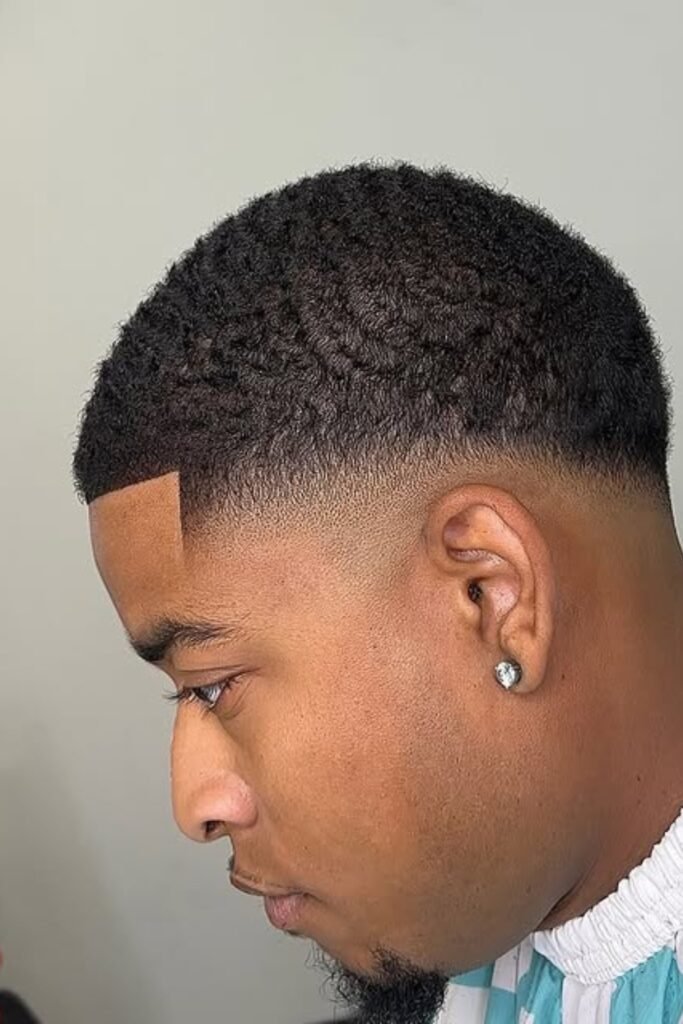
Low Fade Shape
This cut stands out because of how sharp it looks without feeling heavy.
The fade stays low and clean, which keeps the sides tight while the short curls on top still have texture and control.
The crisp lineup adds structure, especially around the corners, making the whole haircut look intentional and well-finished.
This is a great option if you want something modern that doesn’t require much styling.
To recreate it, ask for a low fade with a smooth blend, keep the top short but textured, and request a clean lineup without pushing the hairline back.
FAQs
How often should you maintain a low haircut?
If you want your low haircut to stay sharp, plan a touch-up every 2 to 3 weeks.
A low fades and tapers grow out cleaner than high fades, but the edges and neckline are what lose sharpness first.
A quick lineup or light taper refresh can stretch the style longer without needing a full haircut.
Is a low haircut good for receding hairlines?
Yes, low haircuts are one of the safest options if your hairline is receding.
Because the fade or taper stays low, it doesn’t expose the temples or push the hairline back.
You can ask your barber for a natural lineup and avoid high fades, which can make recession more noticeable.
You may like to read!
