
23 Low Fade Haircut Ideas For 2026

You search for a low fade haircut, save a few photos, sit in the barber chair and still you leave thinking, this isn’t what you wanted.
Maybe the fade feels too high, too sharp, or just doesn’t suit your face. The thing is, the problem isn’t really the haircut.
It’s that you don’t know which low fade will actually suit you and how you should ask for it properly.
In this article, you will see exactly how you can choose the right low fade for your hair with 23 ideas.
Let’s jump in!
Contents
- 1 What Is the Best Low Fade Haircut?
- 1.1 Low Skin Fade
- 1.2 Low Taper Fade with Natural Top
- 1.3 Low Fade Curls
- 1.4 Skin Fade Variation
- 1.5 Low Taper Fade
- 1.6 Low Taper Fade with Short Crop
- 1.7 Low Drop Fade Curls
- 1.8 Low Fade Texture
- 1.9 Low Fade Fringe
- 1.10 Low Taper Fade with Side Part
- 1.11 Low Taper Waves
- 1.12 Low Fade Crop
- 1.13 Low Taper Fade for Thick Hair
- 1.14 Fade Fringe Variation
- 1.15 Low Fade Slick Back
- 1.16 Low Fade with Beard
- 1.17 Low Fade Pompadour
- 1.18 Fade Curls Variation
- 1.19 Taper Fade Variation
- 1.20 Low Taper Fade with Light Texture
- 1.21 Skin Taper Variation
- 1.22 Low Fade Waves
- 1.23 Low Taper Fade with Clean Neckline
- 1.24 Low Fade Texture
- 2 FAQs
What Is the Best Low Fade Haircut?
The best low fade haircut isn’t just a style you copy from a photo. It’s the one that actually fits your head shape, your hair type, and the way you live your life.
A low fade means the fade starts low, near your ears and neckline but how low it goes, how tight it is, and how it blends can make a huge difference for you.
If you pick the wrong version, you might end up with something that looks too high, too flat, or grows out in a way that frustrates you.
But if you choose the right one, you’ll have a fade that stays clean, balanced, and easy for you to manage every single day.
Low Skin Fade
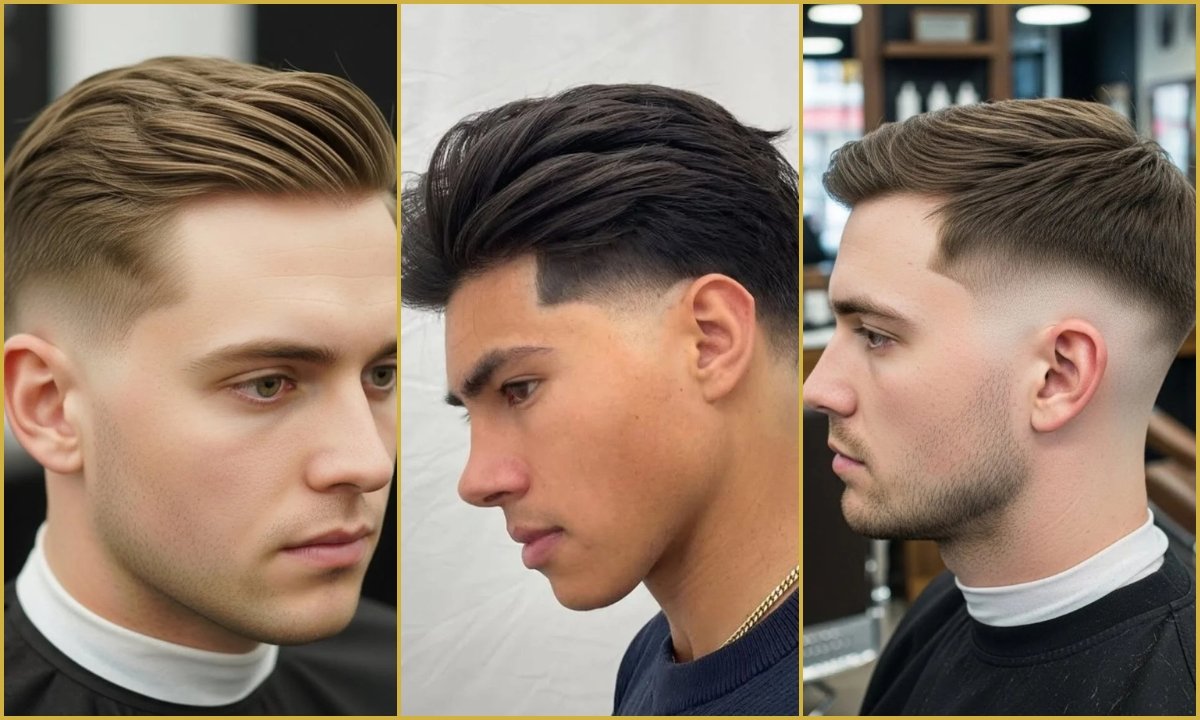
When you want the sides completely clean but don’t want a high-contrast look, you’ll love the low skin fade.
You can remove the bulk around your ears and neckline, which instantly sharpens your profile, while the textured top keeps things relaxed instead of stiff.
Low Taper Fade with Natural Top
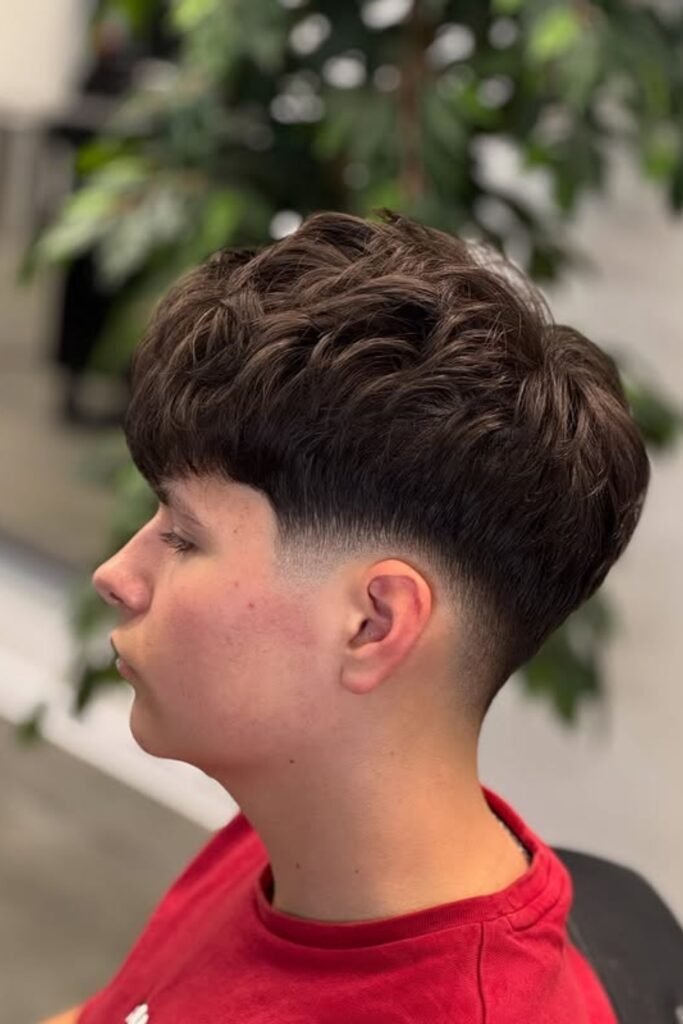
If you want a haircut that looks clean without having to style your hair every morning, this one can work perfectly for you.
You can keep the low taper neat on the sides and neckline while leaving the top natural, so your hair falls into place on its own.
Low Fade Curls
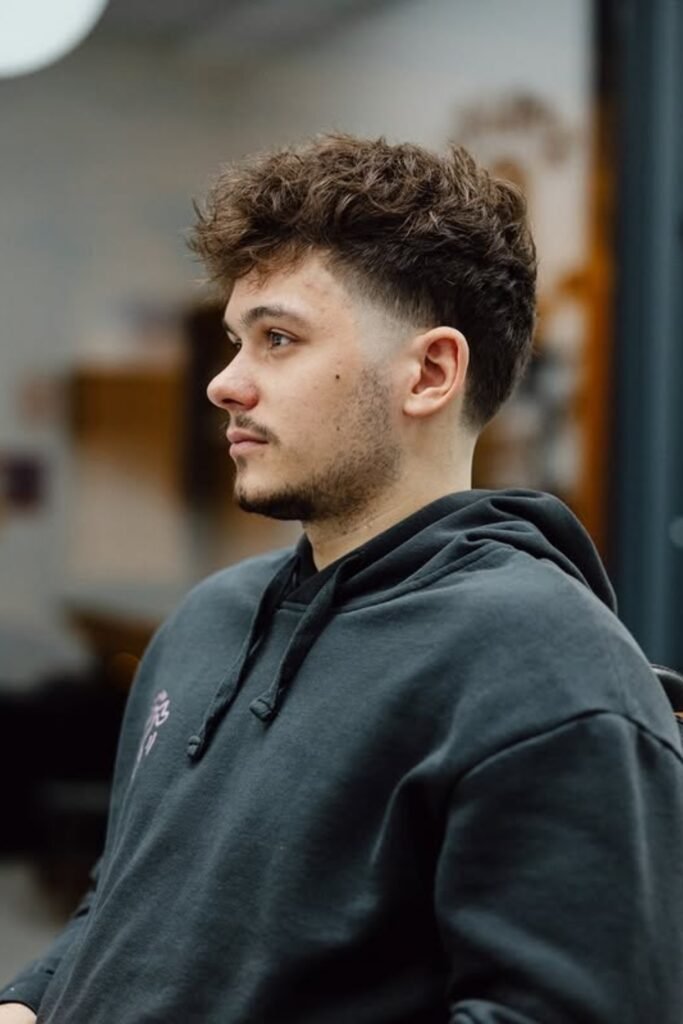
If your curls need control without losing volume, the low fade is made for you. You can keep the sides clean so your curls don’t puff out, while the top stays full and natural.
You should ask your barber to keep the fade low and layer the curls, not thin them, so they sit perfectly without extra styling.
Skin Fade Variation
You can brush the top naturally instead of forcing it stiff, which works great if your hair is straight or slightly thick.
You should ask for a soft blend on the fade and scissor-cut the top so it moves naturally as it grows.
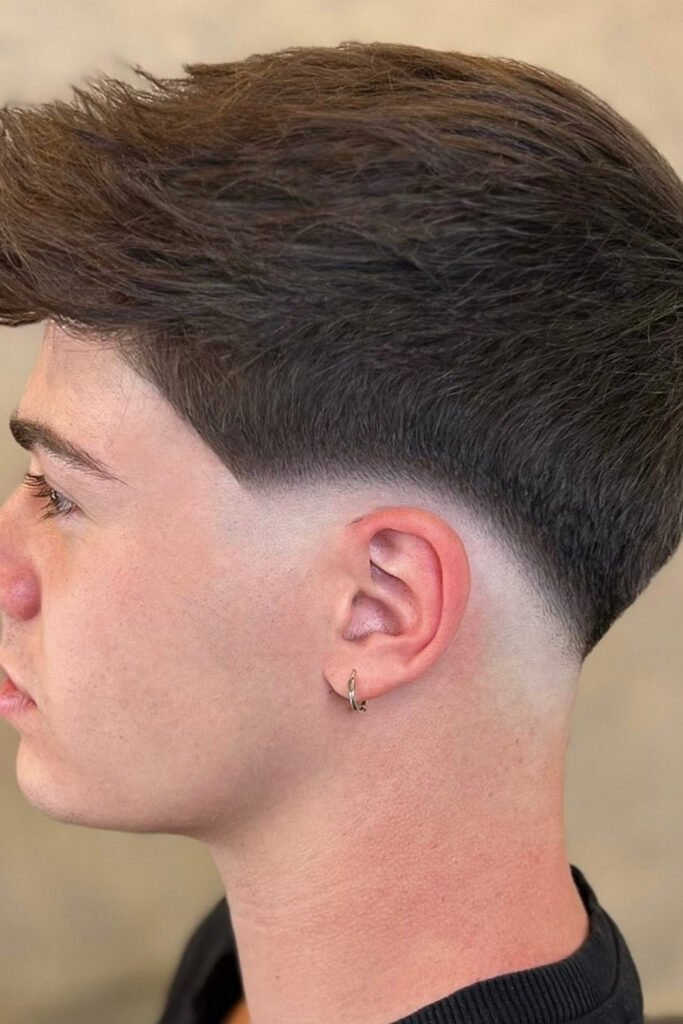
Low Taper Fade
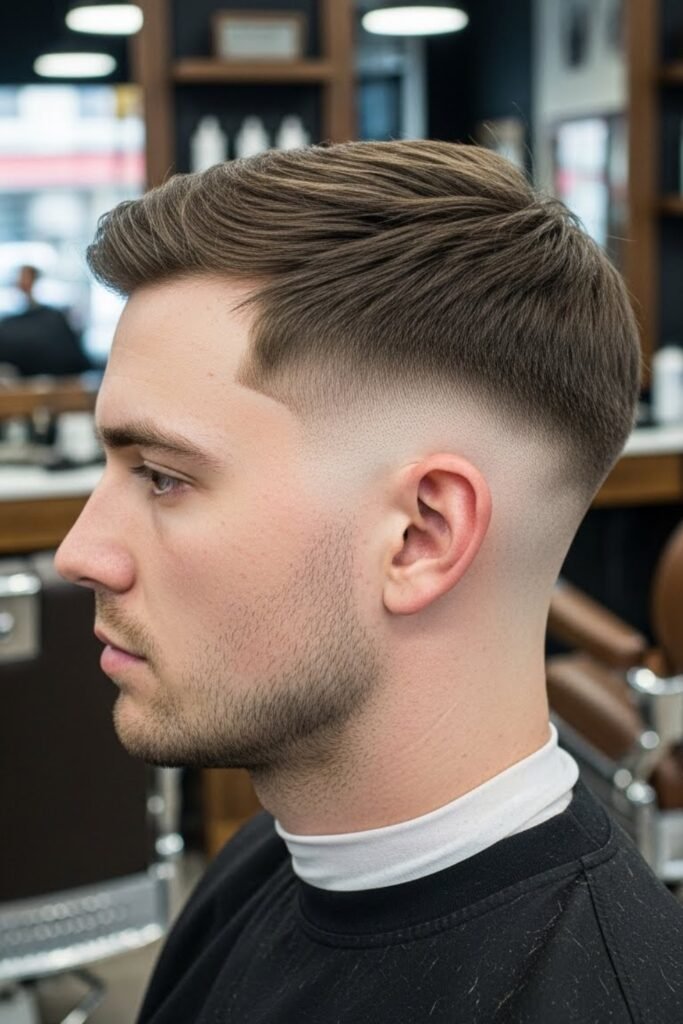
You can keep the fade tight around your ears and neckline, but it softens quickly so it grows out clean instead of awkward.
You should tell your barber to keep the taper low, blend gradually, and leave the top short and textured for easy everyday management.
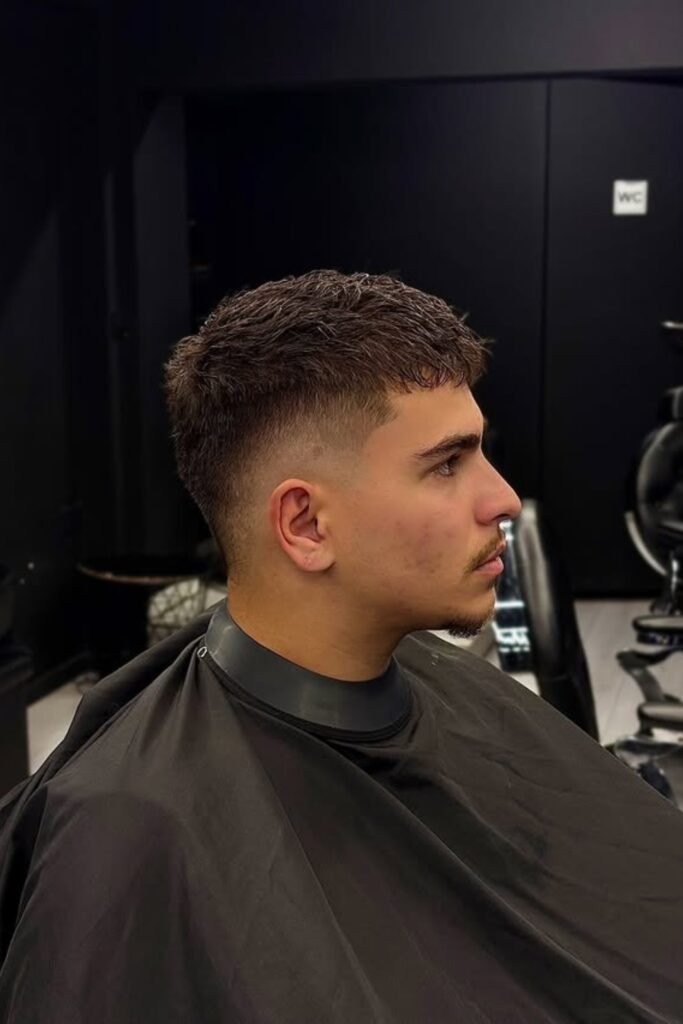
Low Taper Fade with Short Crop
You can control the hair on top while keeping the edges sharp, without creating a harsh fade.
You should ask your barber to add light texture so the crop doesn’t look too flat or blunt.
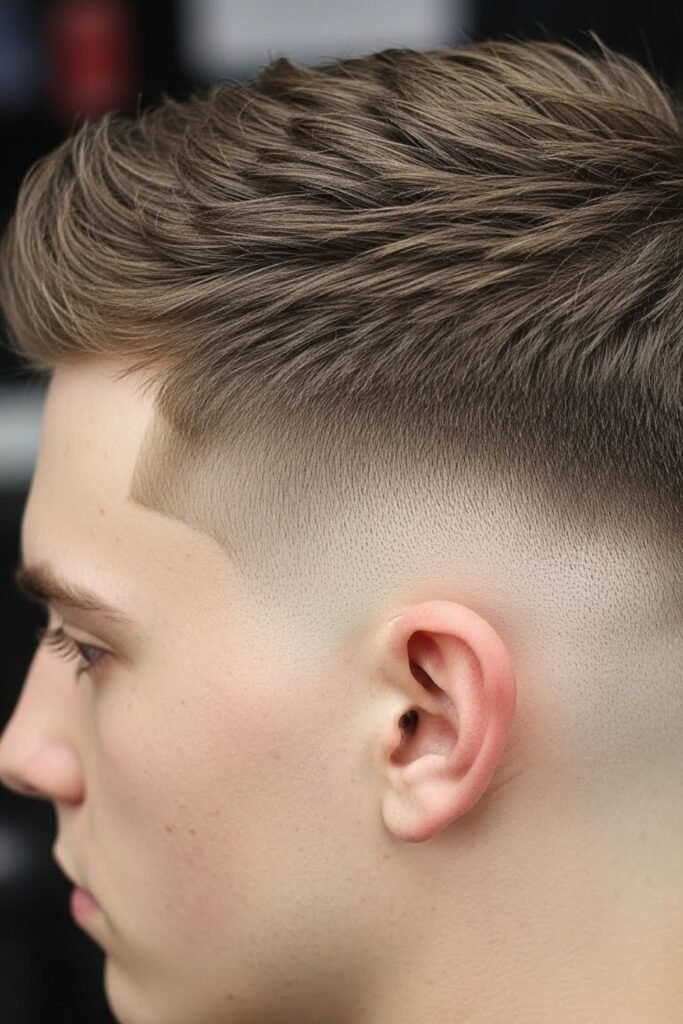
Low Drop Fade Curls
You’ll notice how the fade drops lower behind the ear instead of cutting straight across, which keeps your head shape balanced and natural.
You should ask your barber for a soft blend and keep the curls layered so they hold shape without frizz.
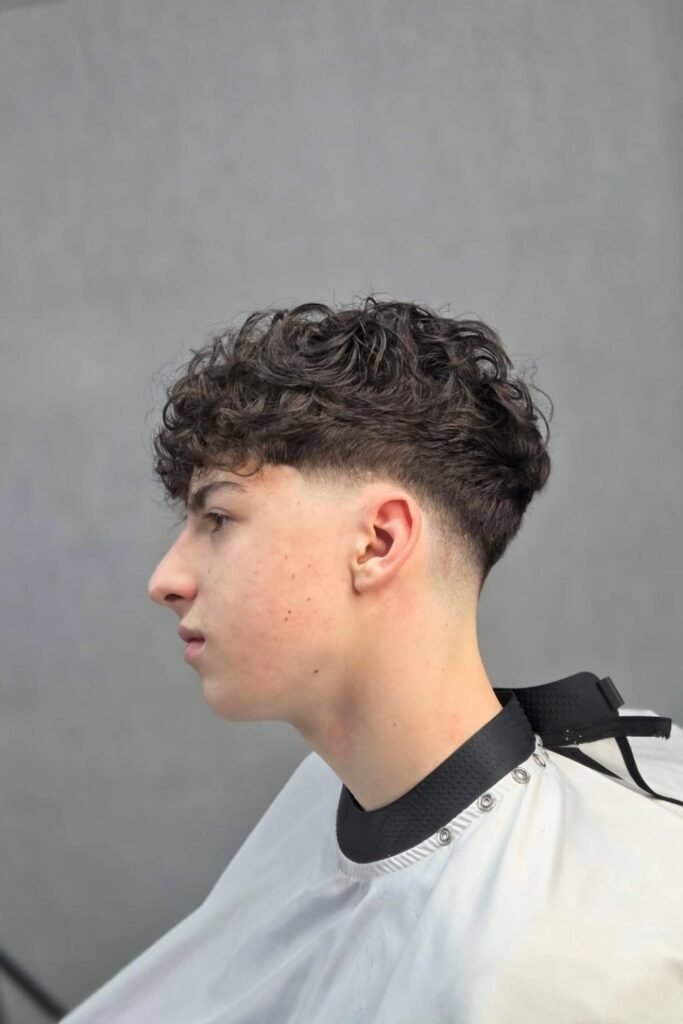
Low Fade Texture
If you want movement on top without letting the sides get bulky, you should try a low fade with texture.
You can keep the sides tight while the textured top adds lift and shape, even when you don’t style it much.
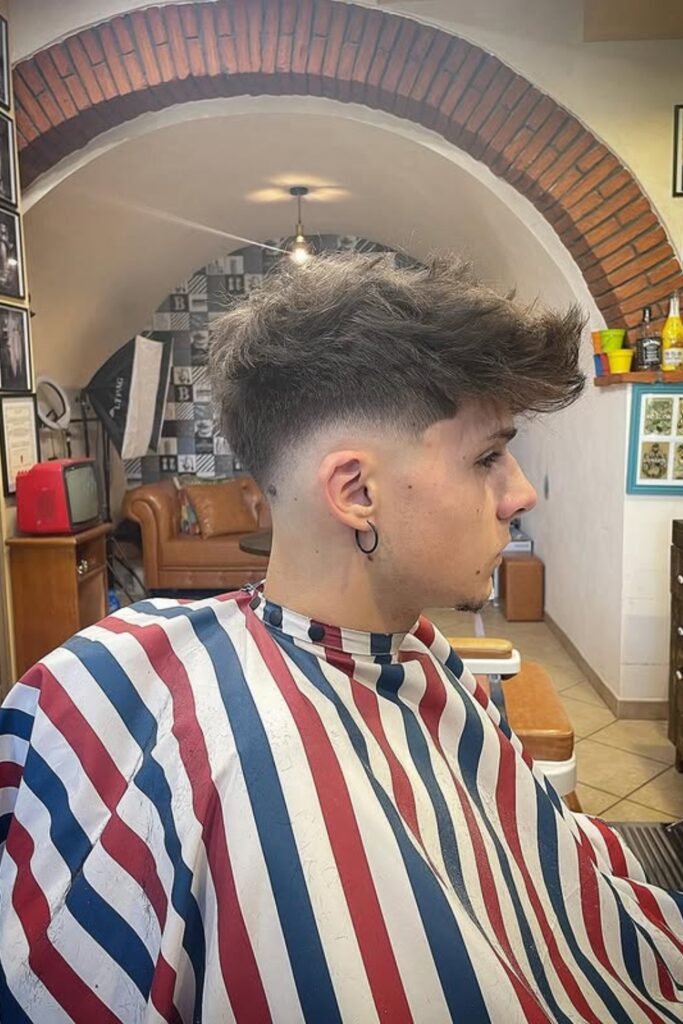
Low Fade Fringe
You can keep the sides and neckline clean with a low fade, while the longer fringe stays soft and wearable.
You should tell your barber to let the fringe sit forward with light texture so it frames your face instead of looking blunt.
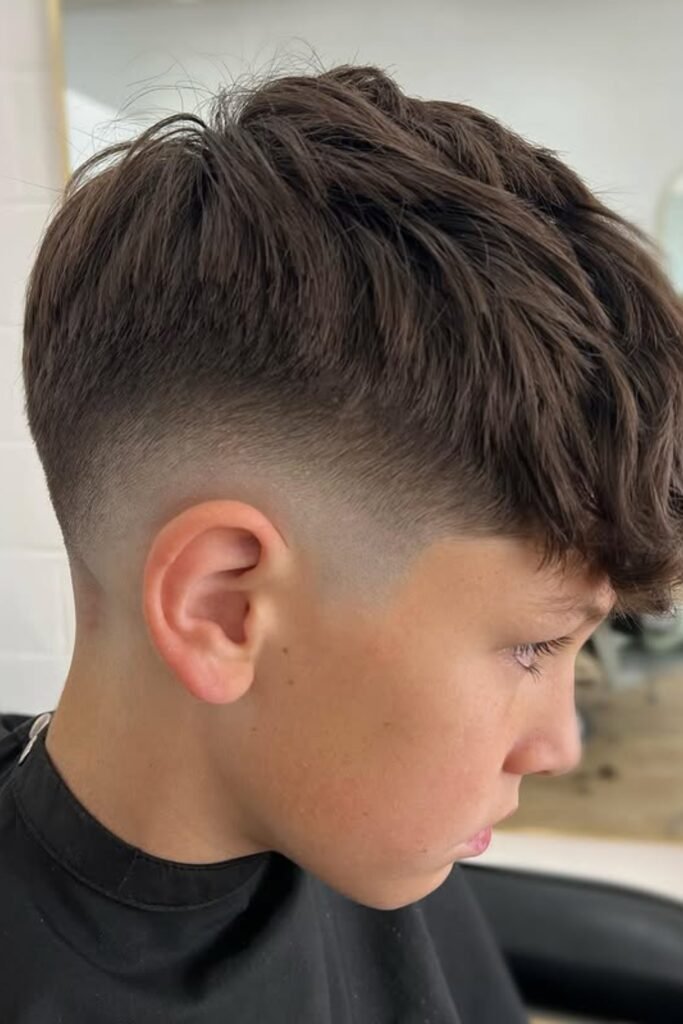
Low Taper Fade with Side Part
If you prefer a polished, structured look, you can rely on a low taper with a side part.
You’ll see how the side part adds shape while the low taper keeps everything soft and clean around your ears.
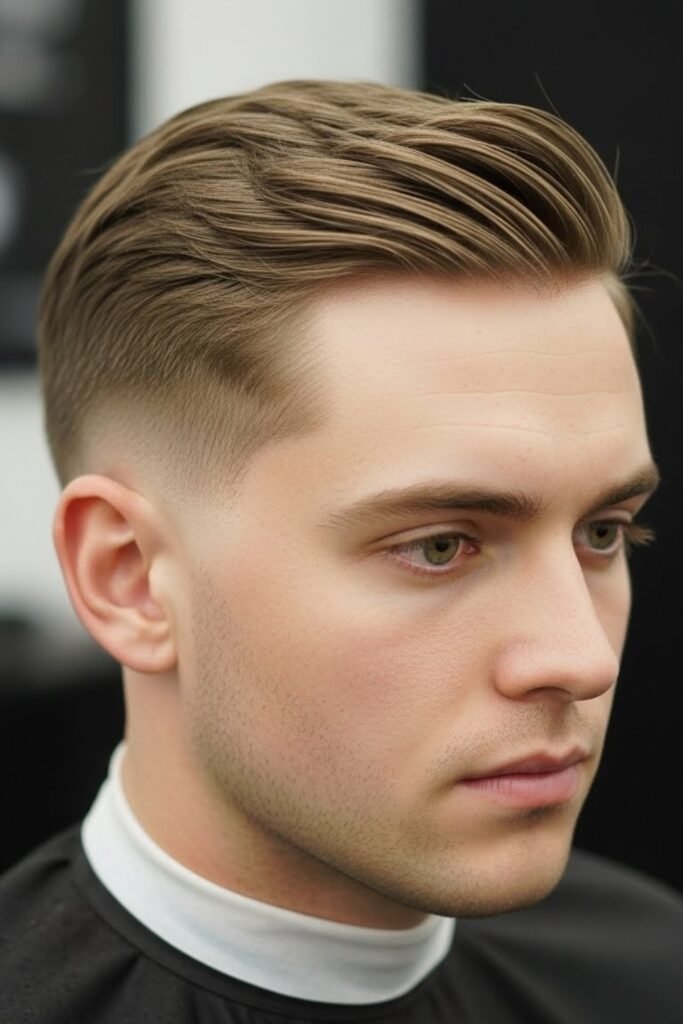
Low Taper Waves
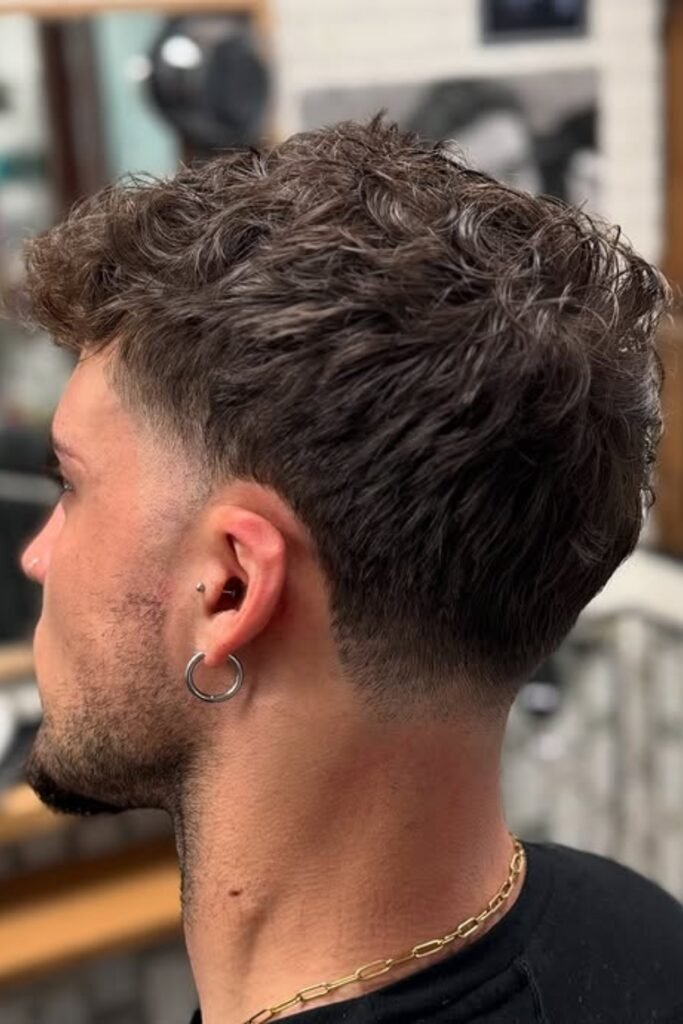
The back view tells you everything here, you can see how clean the neckline is while the rest stays soft.
You should ask for a taper, not a skin fade, and keep the top scissor-cut so your waves stay loose and natural.
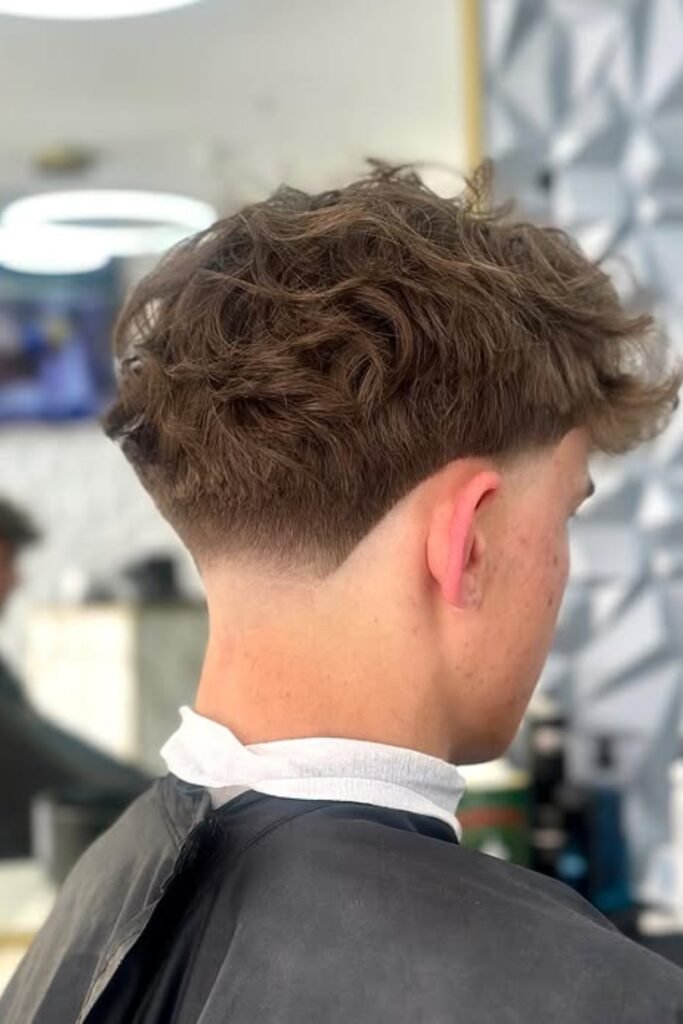
Low Fade Crop
You can tighten the area around your ears and neckline while keeping the cropped top controlled without looking flat.
If your hair grows uneven or flips out, you should ask your barber for a low fade with a short, textured crop and a soft fringe, so it’s easy for you to manage every day.
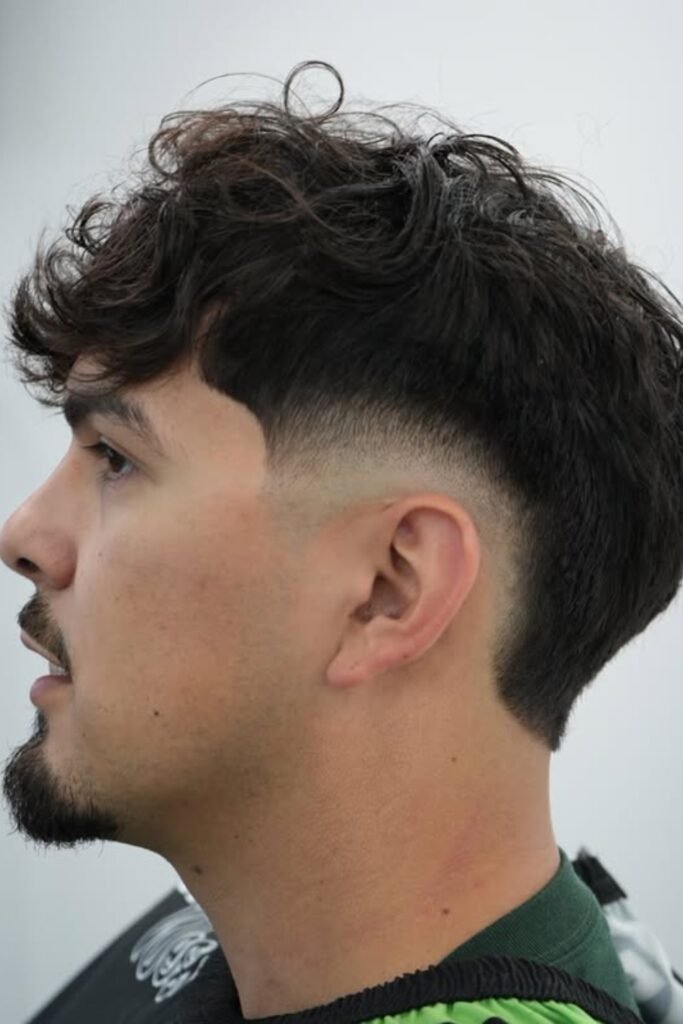
Low Taper Fade for Thick Hair
If your thick hair feels heavy around the sides, a low taper can help you manage it.
You can remove the extra bulk without flattening the top, keeping your haircut full but controlled.
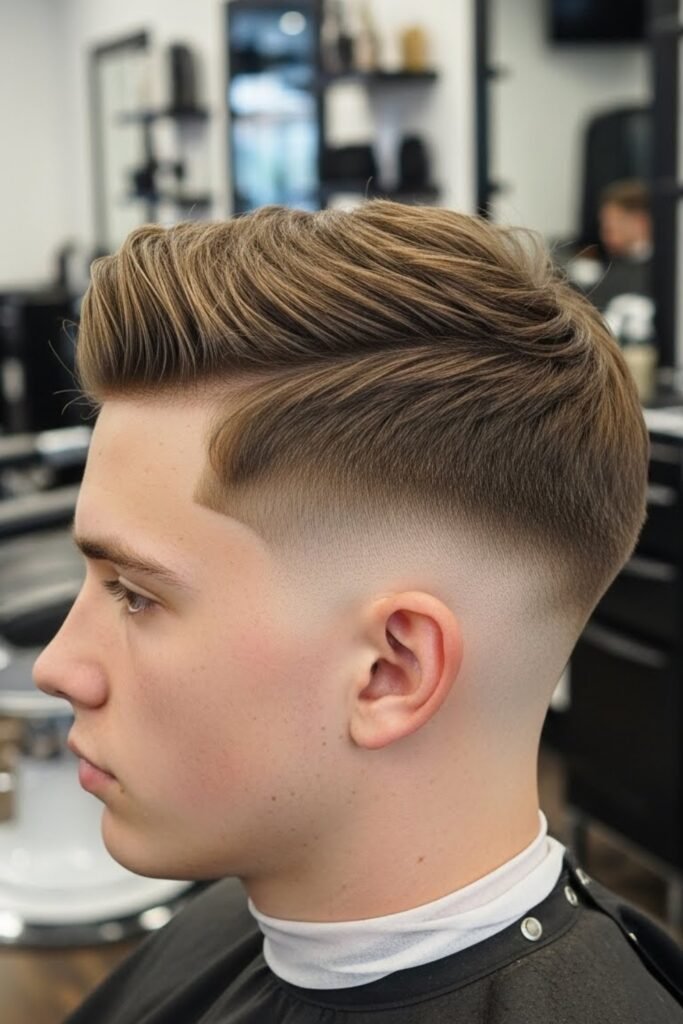
Fade Fringe Variation
If you want everything tight on the sides but don’t want the top to look forced, you can rely on a low fade with a short fringe.
You should keep the edges clean and sharp, while the fringe controls the front so it doesn’t fall into your eyes.
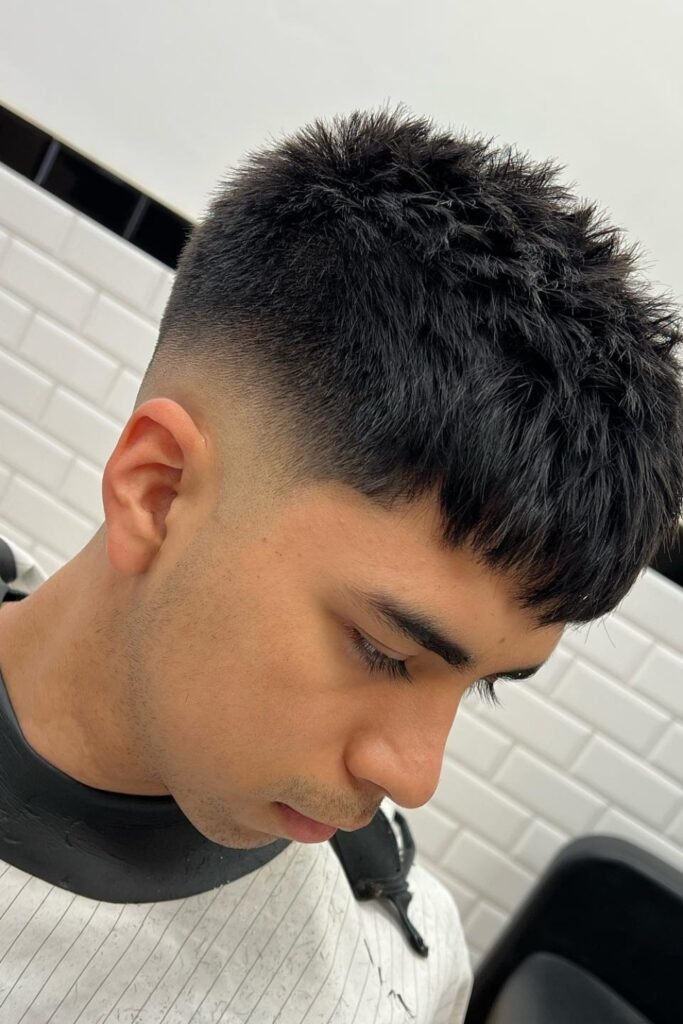
Low Fade Slick Back
If you want a clean fade but still want to look mature and put-together, you should try a low fade with a slicked-back top.
You can keep the fade tight around the ears and neckline while the top holds structure and direction.
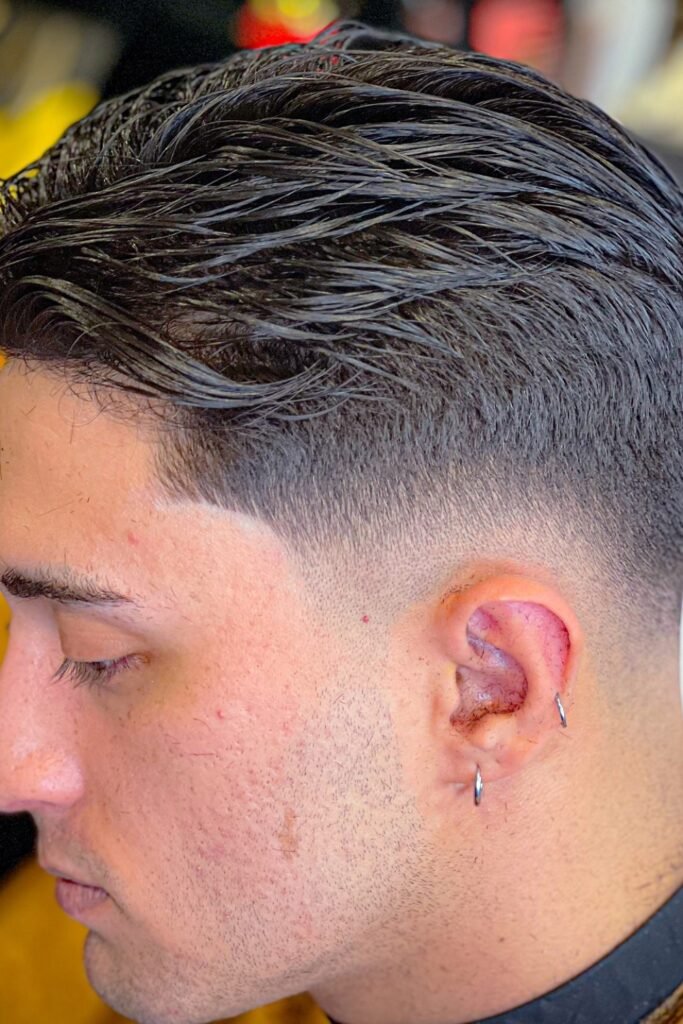
Low Fade with Beard
You can keep the fade tight around the ears and drop naturally into the neckline, while the fuller top adds weight and shape.
If you have a short to medium beard, you should ask your barber to blend it softly into the fade so your profile stays sharp without harsh lines.
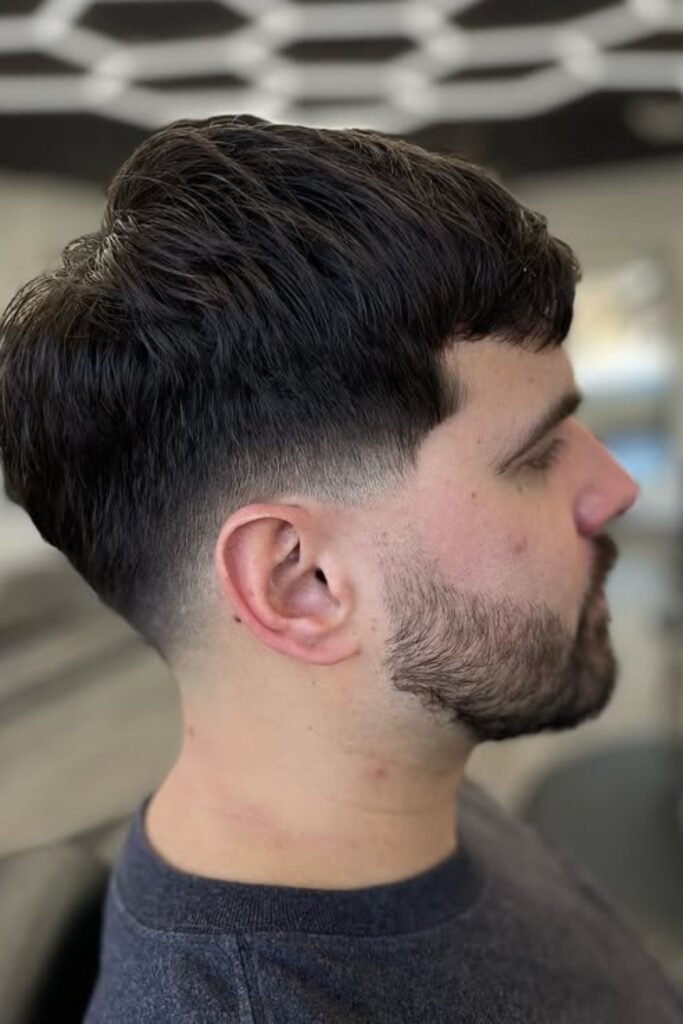
Low Fade Pompadour
If you want volume on top without letting the sides overpower your face, the low fade pompadour is for you.
You can keep everything tight around your ears and temples so the pompadour stands out instead of looking bulky.
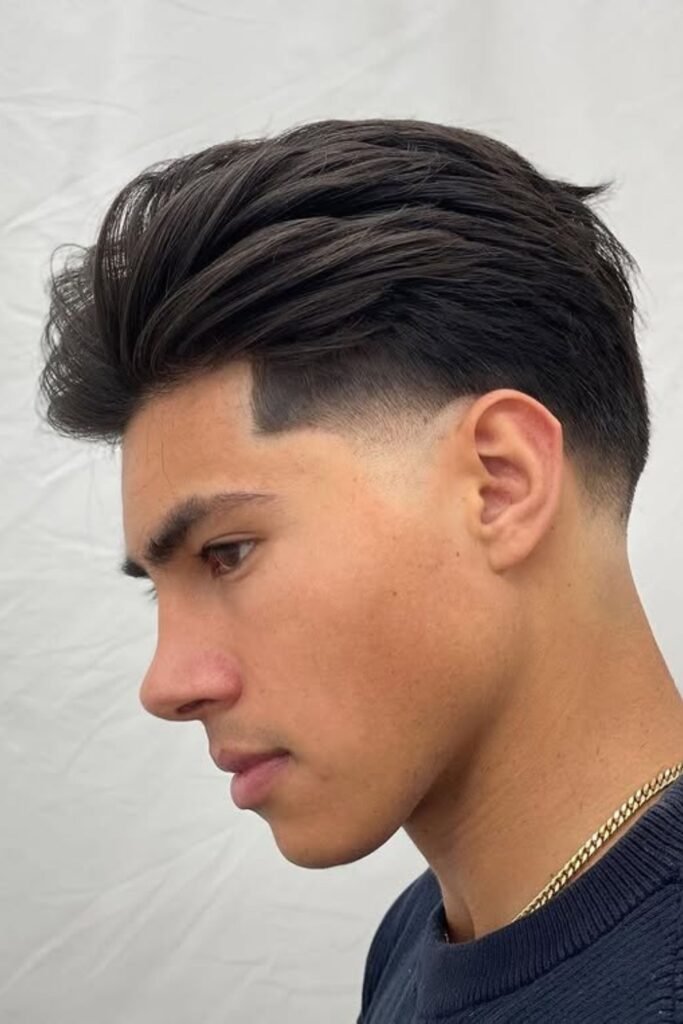
Fade Curls Variation
You’ll notice how it clears weight without cutting into the curl pattern, keeping the shape natural instead of puffed out.
If your curls lose definition as they grow, you should ask for a fade below the temples and keep the curls layered on top so they sit light and defined, not heavy or frizzy.
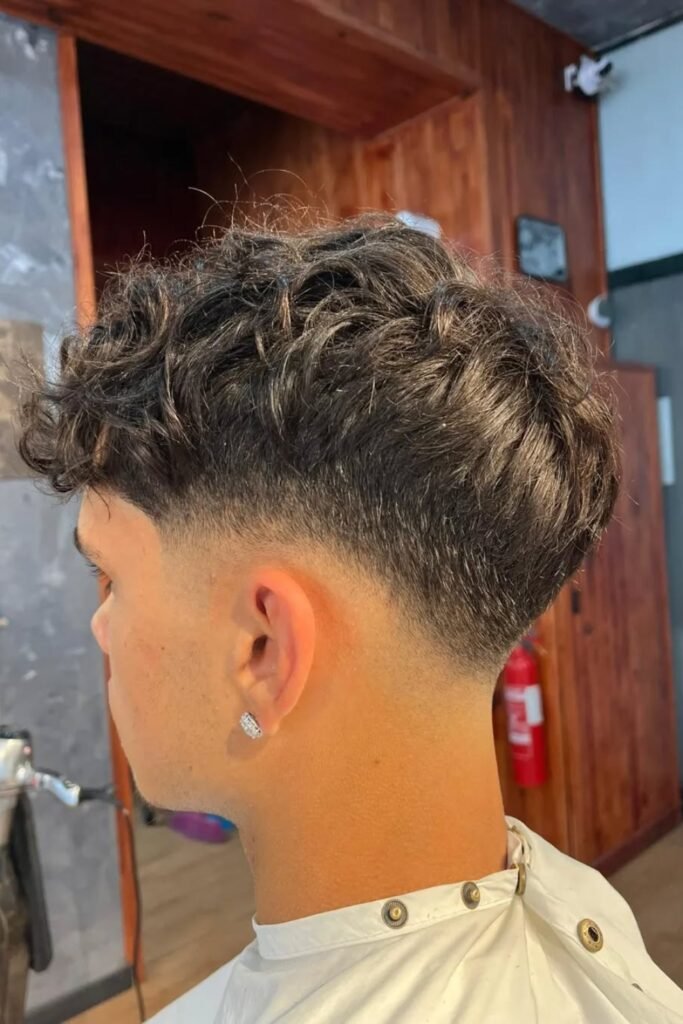
Taper Fade Variation
You can tighten your neckline and edges without pushing the fade too high, so it grows out smoothly instead of looking messy after a couple of weeks.
You should tell your barber to keep the taper low and natural, with a soft blend into the crown so the shape stays balanced as it grows.
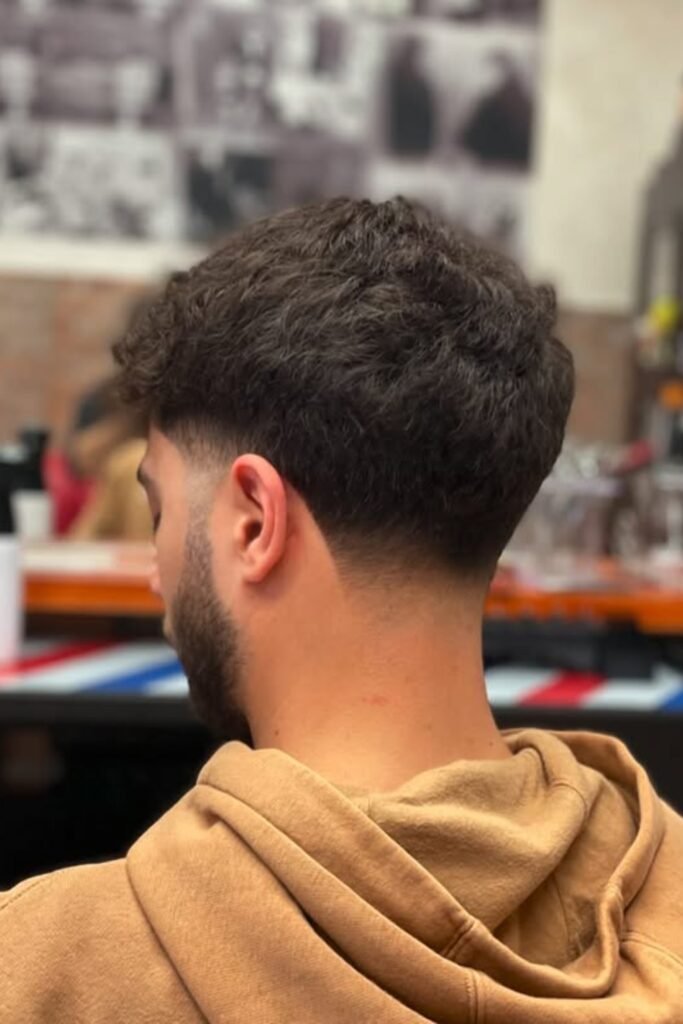
Low Taper Fade with Light Texture
When you use a small amount of product, this style works especially well for you, giving an effortless look rather than a strict shape.
You can prevent your hair from sitting flat while keeping the sides clean and balanced.
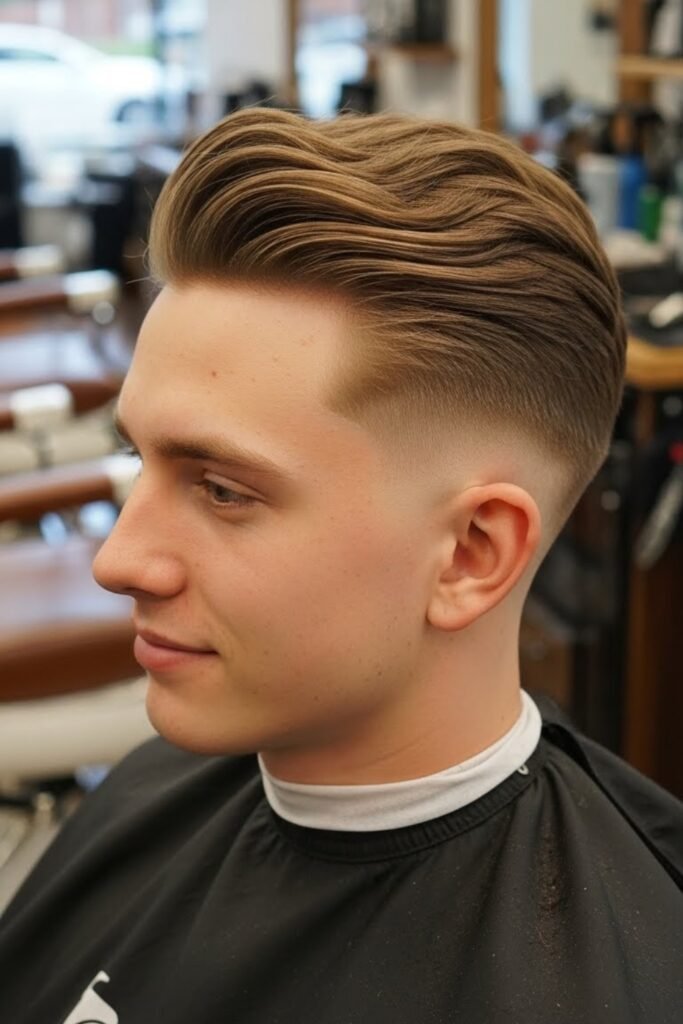
Skin Taper Variation
When you want a super clean neckline without turning your whole haircut into a hard fade, a low skin taper can work for you.
You can remove hair right at the nape and around the ears while blending it quickly back into the top, keeping the overall shape soft.
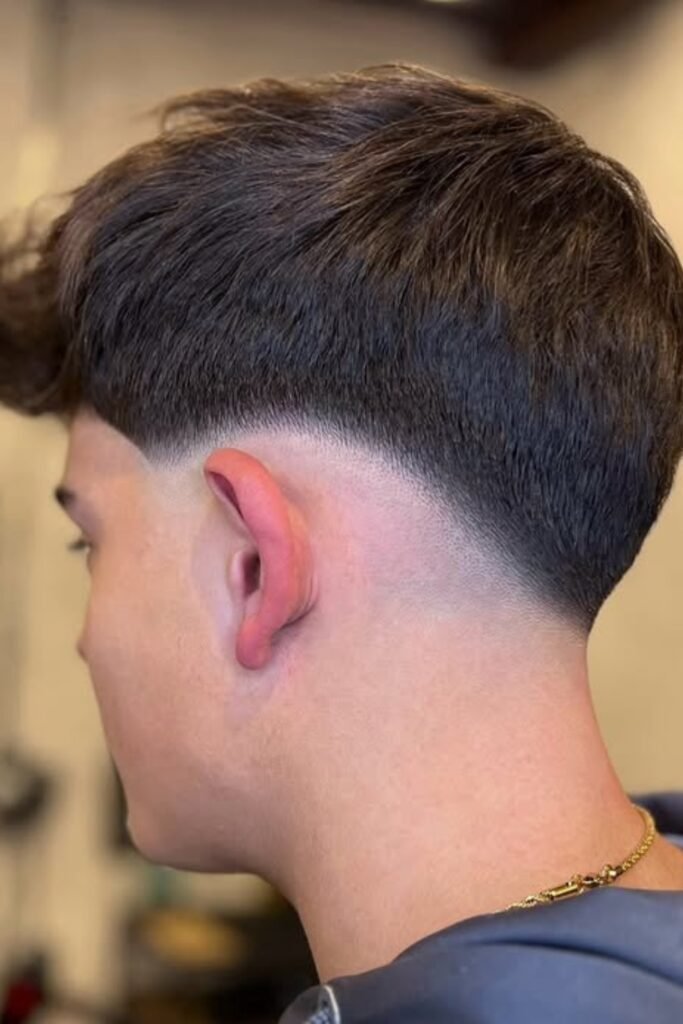
Low Fade Waves
If you want your waves to stay defined without cutting them too high, you should consider a low fade for waves.
You can start the fade just above your ears and blend it smoothly into your natural wave pattern, keeping your head shape even and sharp.
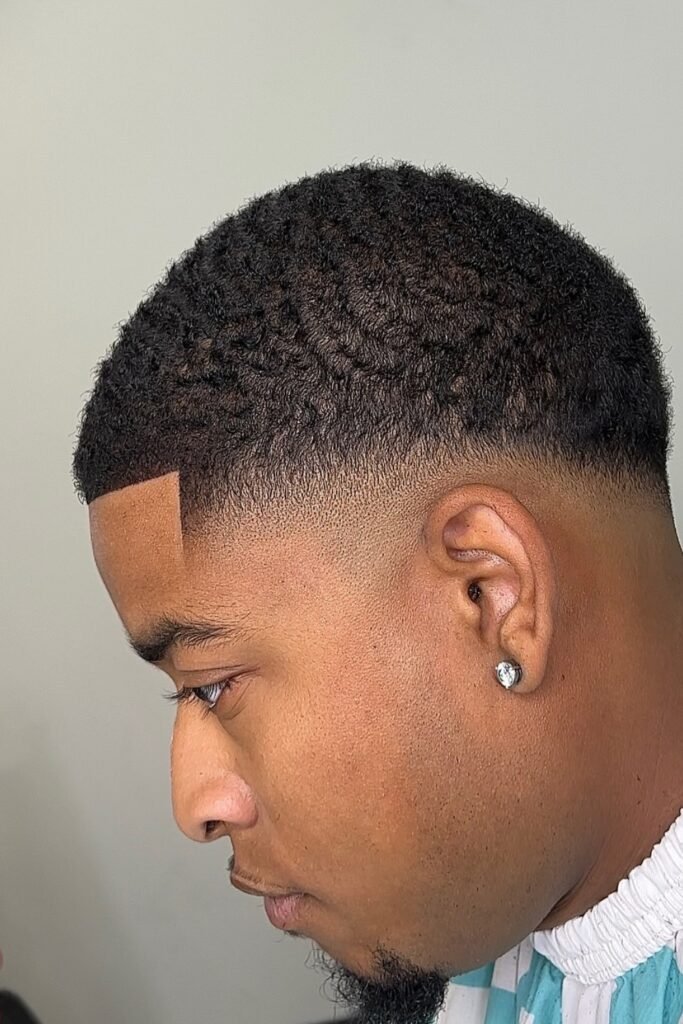
Low Taper Fade with Clean Neckline
When the neckline is what usually makes your haircut look messy, you can rely on a low taper that focuses on keeping the edges clean.
If you don’t like high fades but still want a crisp look, you should ask your barber to keep the taper low without pushing it up the head.
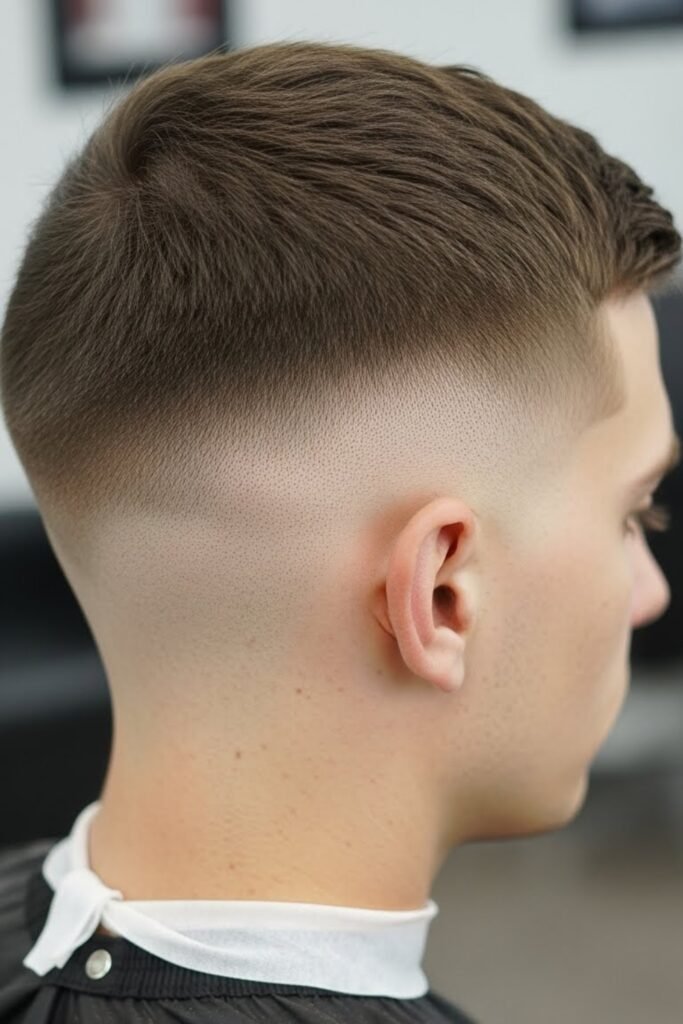
Low Fade Texture
When your hair has natural texture but starts feeling heavy at the back and sides, a low fade with texture can save you.
You can clean up the neckline and ears without going too high, letting the top keep its shape and movement.
FAQs
Does a low fade haircut work for all hair types?
Yes, a low fade can work for you whether your hair is straight, wavy, curly, or coily.
You’ll notice how the fade stays low and doesn’t interfere with the natural texture on top.
When you adjust how tight the fade is and how much length you keep above it, you can make the haircut support your hair’s natural growth instead of fighting it.
You should focus on these details so your low fade always looks effortless and flattering for you.
How often should you maintain a low fade haircut?
Most low fades work best for you when you clean them up every two to four weeks.
You’ll notice that because the fade starts low, it grows out more naturally than a high fade, but you should still keep an eye on the neckline and sides.
When you touch them up regularly, you can make sure your cut always looks sharp, balanced, and polished without extra effort.
You may like to read!
