
24 Small Garden Ideas On A Budget Ideas
A little garden may get surprisingly pricey. You buy a few plants, add some pots, and start thinking about chairs.
And suddenly your modest makeover demands a lot larger budget than you’d expected.
In this article, you’ll find 24 small garden ideas on a budget that help you create a beautiful, useful space without overspending.
Let’s jump in!
How Can You Plan Small Gardens Before Spending Money?
Decide what you really need from your garden before you buy plants or equipment.
If you want to sit down, find a spot first, so you don’t wind up filling it with pots and have nowhere to put seats afterward.
Watch where the sun and shade fall during the day. If you buy plants for the wrong conditions you are spending money twice.
Measure small passageways, corners, walls and fences to see where you can grow vertically instead of wasting up valuable floor space.
Keep any paving, containers or furniture that can be cleaned, painted or moved.
Once the basic concept works, determine your budget and spend first on changes that fix real concerns like privacy, seating, bad soil or naked boundaries.
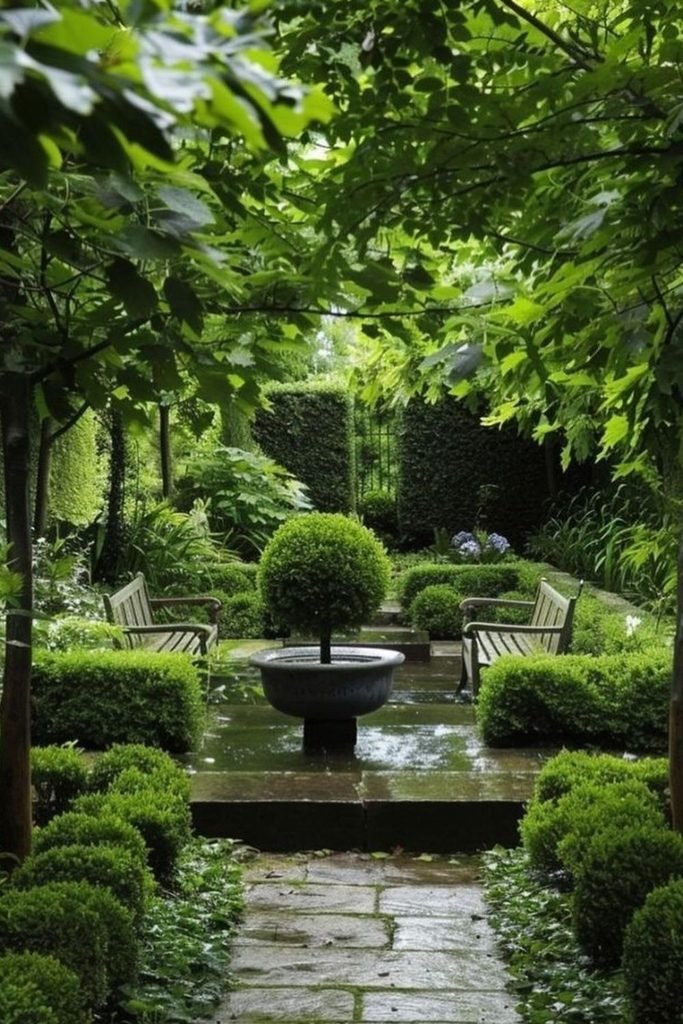
Shaded Retreat
Turn a naturally shady corner into a quiet seating spot instead of spending money trying to fill it with sun-loving flowers.
Use existing trees for the above canopy and then define the space with neatly trimmed shrubs and shade tolerant plants along the margins.
Two basic benches facing each other make an intimate area to sit without requiring a large patio or pricey furniture set.
If you’ve got paving already, clean and utilize it instead of replacing it.
Include a single bold item in the middle such as a potted topiary or planter to make your garden feel considered without tons of ornamental elements.
Raised Harvest
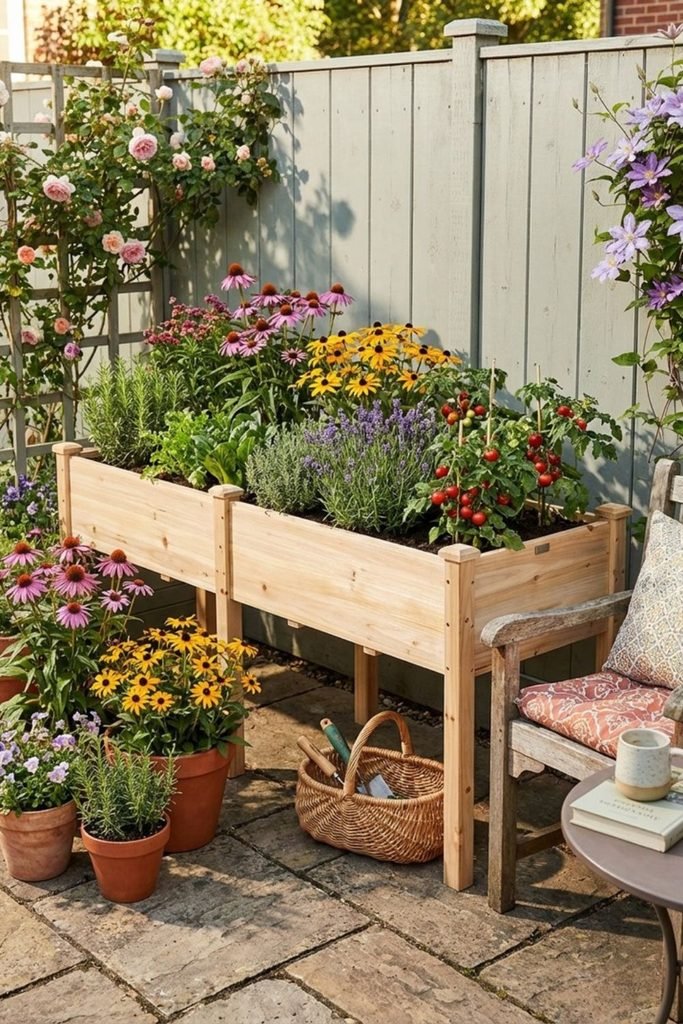
Bring vegetables, herbs, and flowers together in one raised planter when you want a small garden to be productive with out giving up the whole patio.
Position the bed in a sunny fence so the center stays open for seating and mobility.
Construct the structure from inexpensive untreated timber, or use recycled planks that are acceptable for producing food.
Plant taller flowers in the back row, herbs in the middle and compact vegetables close to accessible boundaries.
Use the fence above for climbing roses or clematis on a simple trellis, giving you additional layer of plants without occupying more ground area.
Pergola Patio
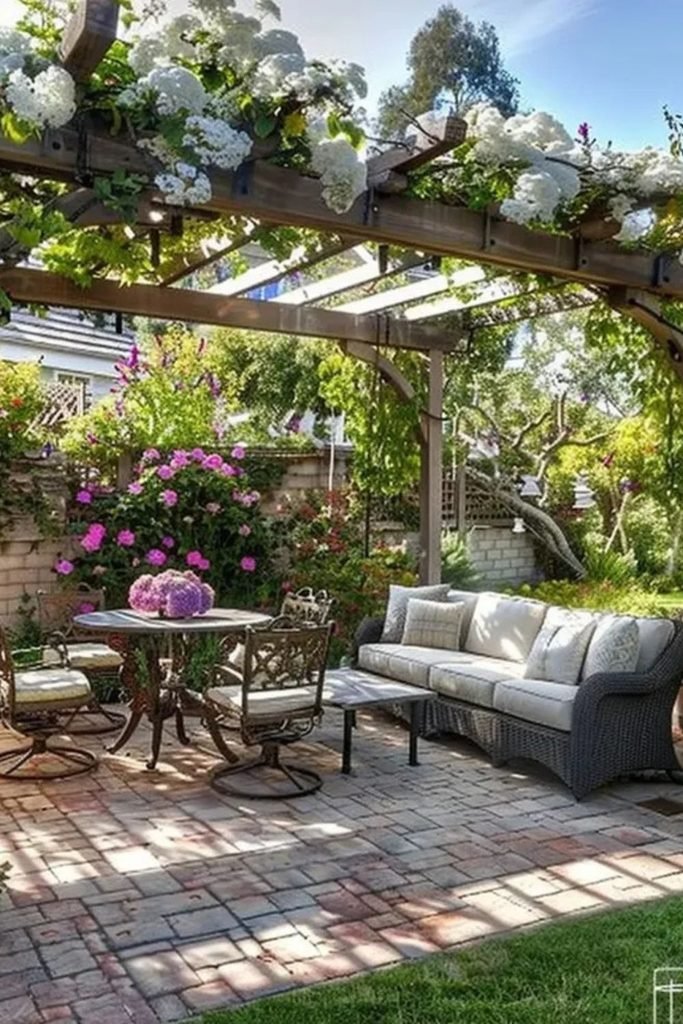
Stretch your budget by turning one paved corner into the main gathering space instead of landscaping the entire garden.
Use existing brick or pavers on the floor, then construct a basic timber pergola overhead to provide a distinct demarcation for the seating area.
Train flowering climbers over the beams for natural shade and seasonal color, which can lessen the need for extra decorations.
Keep furniture to a minimum you’ll actually use only a comfy bench and a small table and chairs.
Plant heavily near the edges of the patio so the foliage will soften the hard surfaces but leave the middle open and easy to wander across.
Border Layers
Keep the middle of a narrow garden open by concentrating most of your planting along the boundaries.
You might put taller shrubs or small trees near the fence, medium flowering plants in front of them and low vegetation around the lawn edge.
Using a variety of heights provides the garden depth without taking away the primary space for everyday use.
Existing shrubs can be cut back and sculpted rather than replaced and gaps can be filled gradually with smaller, cheaper plants.
Place a few pots near the patio to link the seating area to the planted borders but leave some free space; otherwise the garden will feel congested with containers.
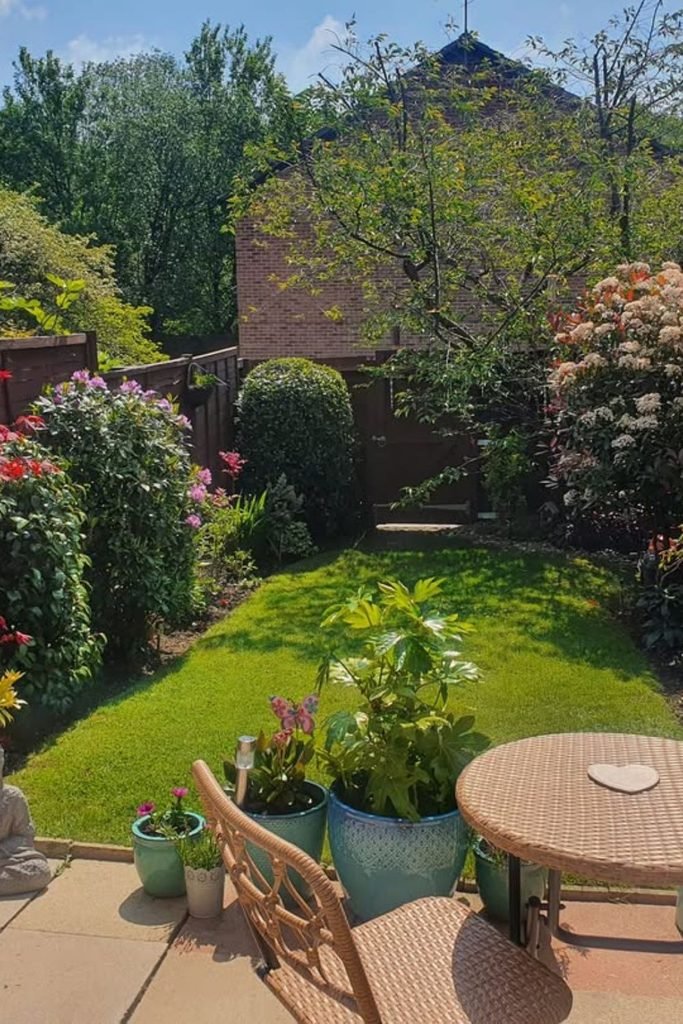
Pallet Lounge
Skip an expensive outdoor sofa by building a low seating area from sturdy reclaimed pallets.
Put the pallets to form a L shape against the garden boundary. Sand any rough edges and add outdoor cushions for comfort.
Four basic pillars of wood give you an easy spot to string warm lights overhead, transforming the same nook into an inviting nighttime space.
But keep most of your surrounding plants along the fence so the seating area remains open.
Before using salvaged wood, make sure it is clean, structurally solid and appropriate for outdoor furniture. Don’t just utilize pallets because they are free.
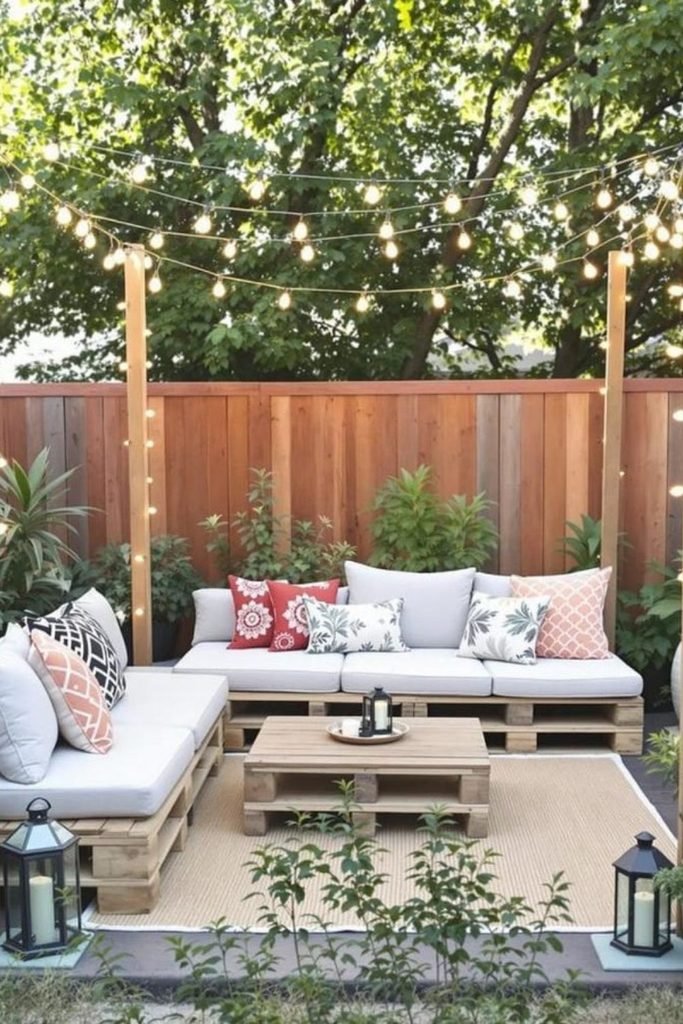
Gravel Retreat
Give an unused corner a clear purpose by turning it into a compact gravel garden rather than paying for paving or filling it with more lawn.
Construct a shallow rectangular portion with timber borders, spread fine gravel uniformly and insert a few larger stones in the center for structure.
Adding interest by raking simple designs into the gravel doesn’t require buying in extra decorations.
In the area soften the rough surface by using ferns, dense plants, pots of flowers and mossy groundcover.
Bamboo screening can cover an ugly boundary at the same time, while one existing bench makes the space usable for sitting.
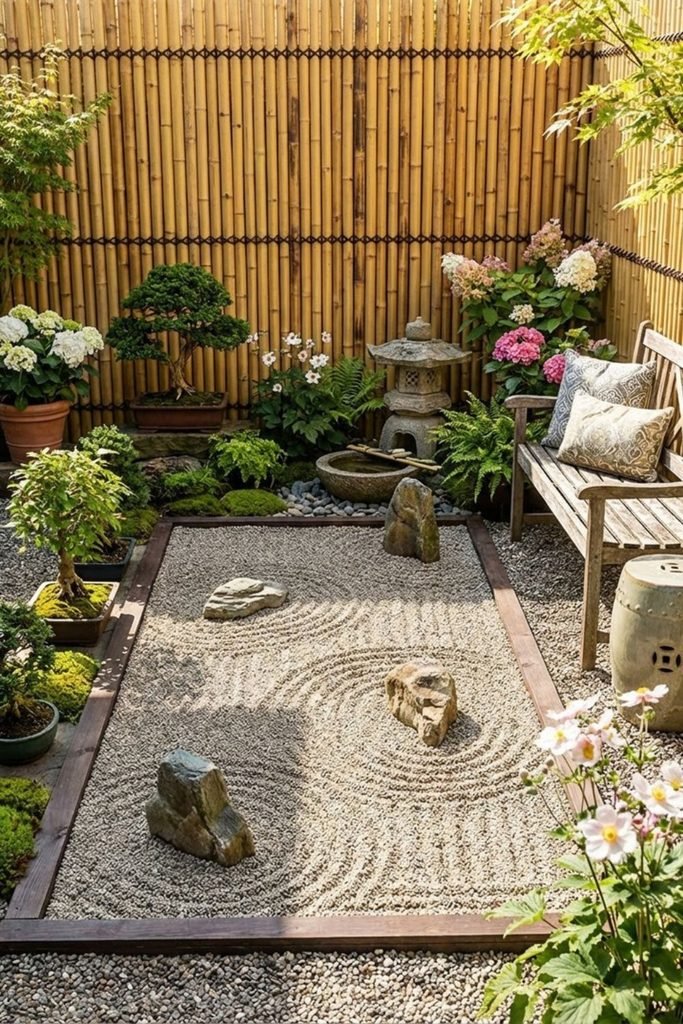
Curved Edging
Break up a boxy small yard with one flowing border instead of paying to redesign the entire landscape.
Add a modest curve to the existing path and remove a thin strip of grass and fill with cheap pebbles or beautiful stone.
Instead of filling the bed with plants, place a few compact evergreen shrubs along the curve.
White stones around each trunk can make modest points of focus using very little material.
Complete with a border of cheap ground lights that trace the path’s pattern at nite and keep the center grass open for regular use.
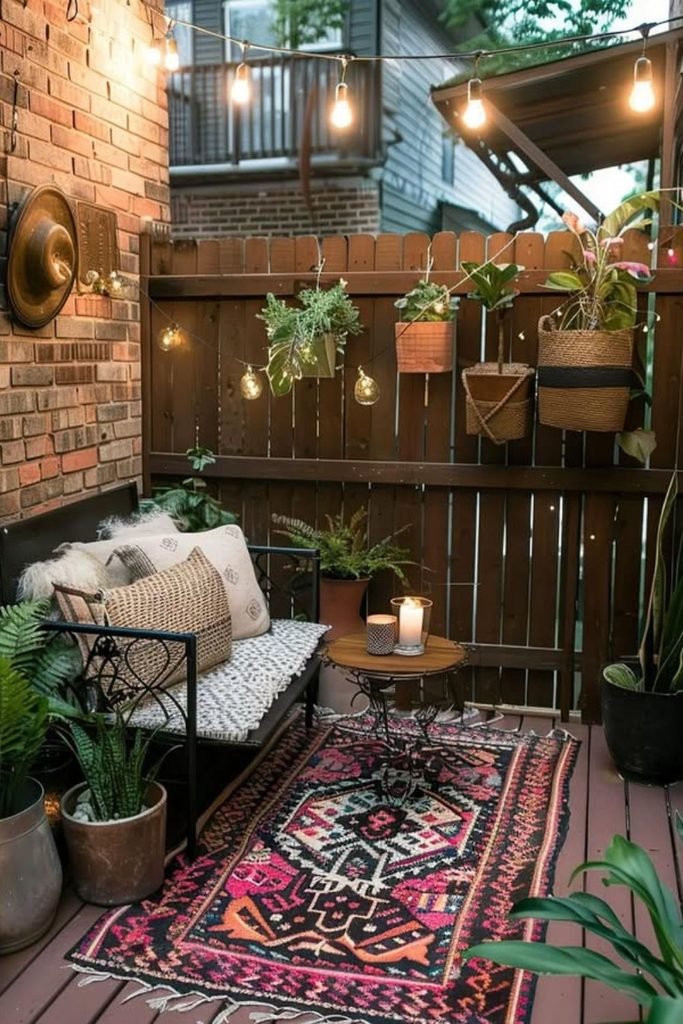
Fence Garden
Put a bare boundary to work when your patio is too narrow for extra planting beds.
Attach lightweight planters at different heights along the fence, choosing herbs, trailing greenery or compact flowers that suit the available sunlight.
Keeping plants off the floor leaves more room for a slim bench and small table, while an outdoor rug can make existing decking feel finished without replacing it.
Run simple string lights overhead and along the fence to add useful evening light for very little cost.
Group the remaining floor pots near corners rather than spreading them everywhere, so you still get plenty of greenery.
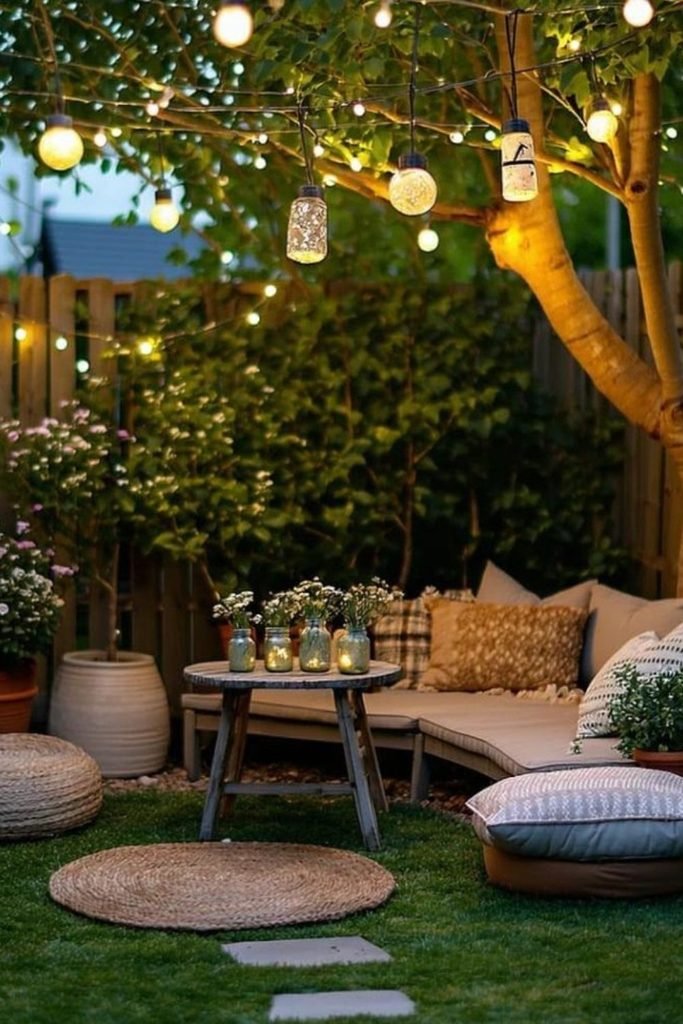
Tree Lighting
Use an existing tree as the anchor for your evening garden instead of paying for a pergola or permanent lighting structure.
Wrap warm outdoor lights around sturdy branches, then add a couple jar lanterns at varying heights to cast the illumination over the seating area.
Keep furniture tucked around the perimeter of the garden so the middle is open and bring in floor cushions when extra guests come.
Small potted flowers and plants soften the boundaries without the expense of landscaping.
Select weather-rated lights and make sure each hanging element is well secured so the setup remains functional as well as inviting.
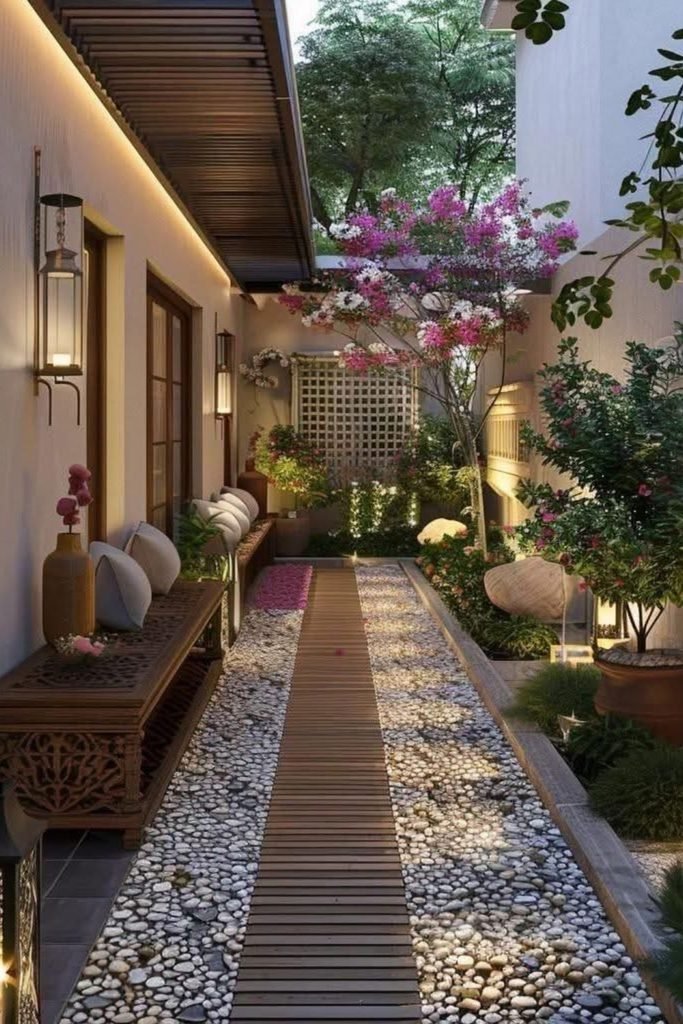
Pebble Walkway
Stretch a narrow side garden visually by giving it one clear route from beginning to end.
Then run a slim timber or stepping-board path through the center, so that you may walk comfortably without paving the whole space.
Plant shrubs, potted plants and a small flowering tree at the boundaries, keeping the walkway clear of clutter.
Low solar lights placed in between the stones can mark the way after dark without the need for elaborate wiring.
If you already have a bench, then put it against the house wall and make an unnoticed hallway a useful garden place, rather than just a route through.
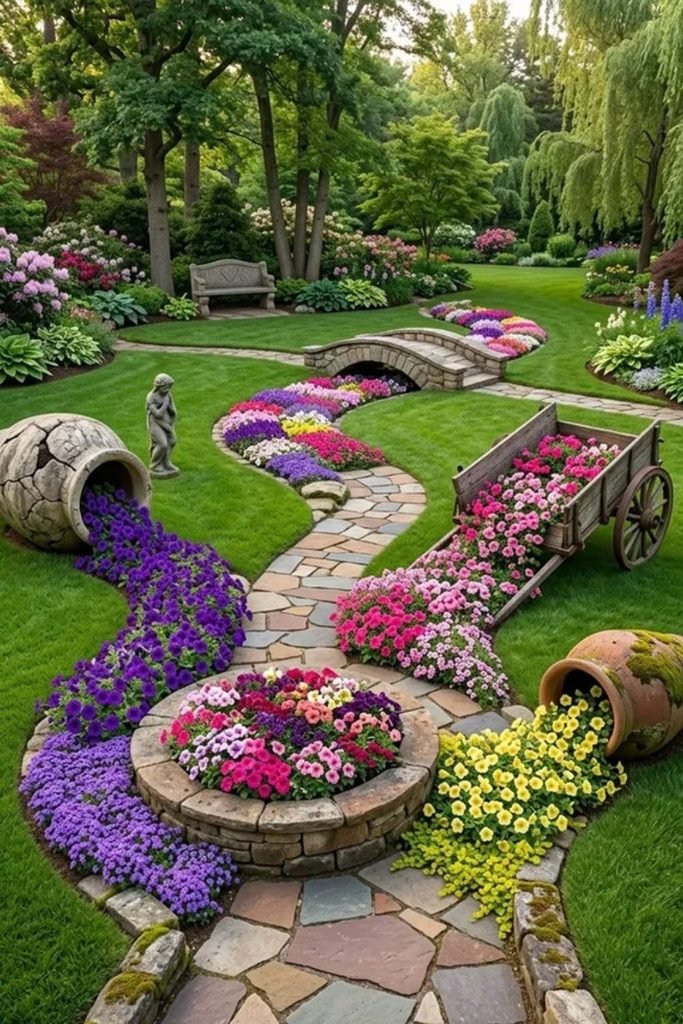
Flower Trails
Stretch a limited flower budget by planting narrow ribbons of low-growing blooms instead of filling large beds with expensive mature plants.
Plant affordable annuals from seed or divide spreading perennials you already own, then mark curved sections along an existing walkway or grass edge.
Using just two or three types of flowers will provide stronger blocks of color and also keep plant costs down.
The same flowers in old clay pots, baskets or a worn garden cart can make fun centerpieces.
Leave enough of green space between each planted area so the colorful paths shine out without making the garden feel crowded.
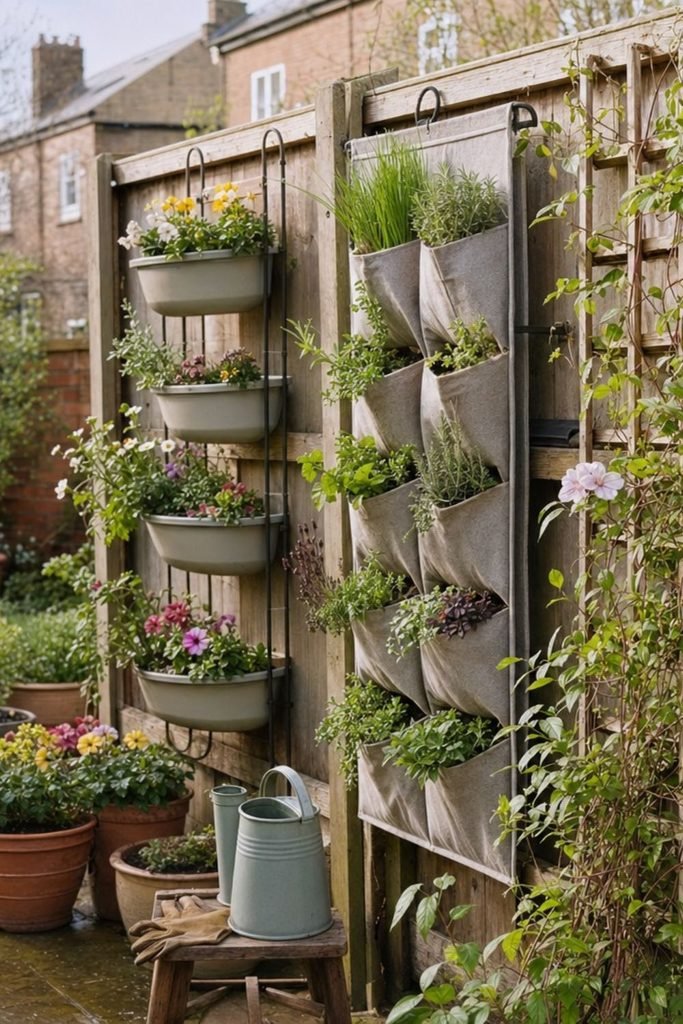
Pocket Planters
Put an empty fence to work by growing upward when ground space is already tight.
Instead of purchasing multiple huge pots, hang cloth pocket planters or cheap railing containers from secure supports and fill them with herbs, compact flowers.
Leave a modest trellis beside them for climbers, which can cover more of the fence from just one planting place.
Blending these vertical layers offers lots of foliage with an open patio. Check the pockets often in warm weather as little amounts of soil dry out rapidly.
It is easy to keep the display basic by choosing plants with similar watering demands.
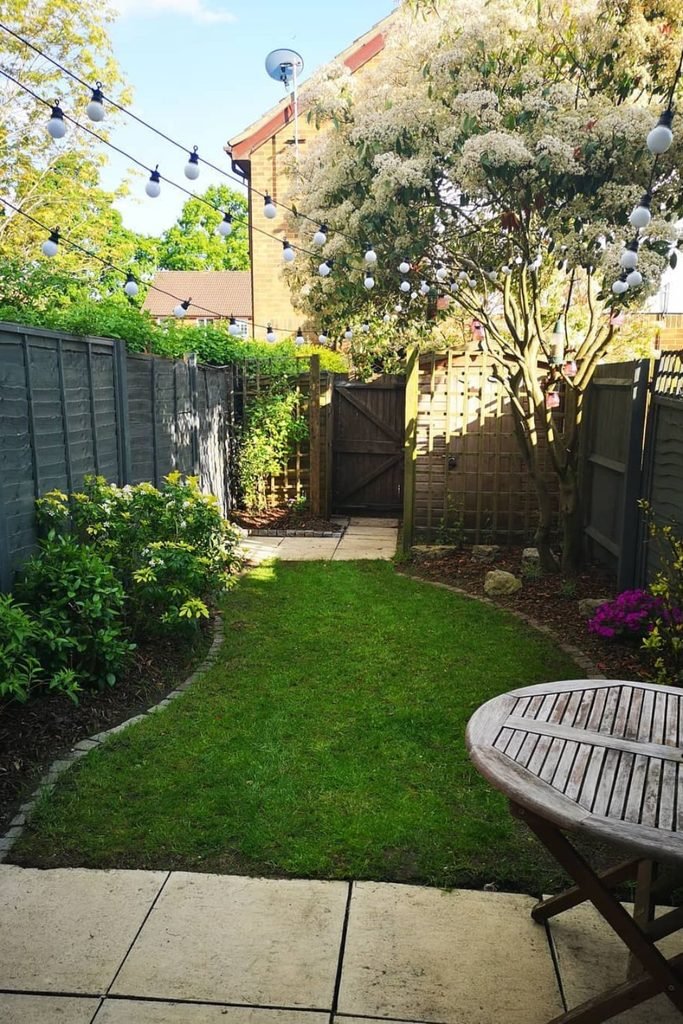
Overhead Glow
Save your limited ground space for plants and movement by taking the lighting above the garden instead.
String weather-rated string lights between solid fence posts, walls or stout trees for a comfortable ceiling of light without bulky fixtures cluttering the lawn.
This works particularly well in long, narrow gardens, where multiple strands can visually link the patio to the far reaches.
Keep the borders simple with shrubs and a few flowering plants, then repurpose existing outdoor furniture near the house.
If the fence is already in need of a facelift, a single coat of exterior paint can create a cleaner backdrop and make inexpensive greenery pop more.
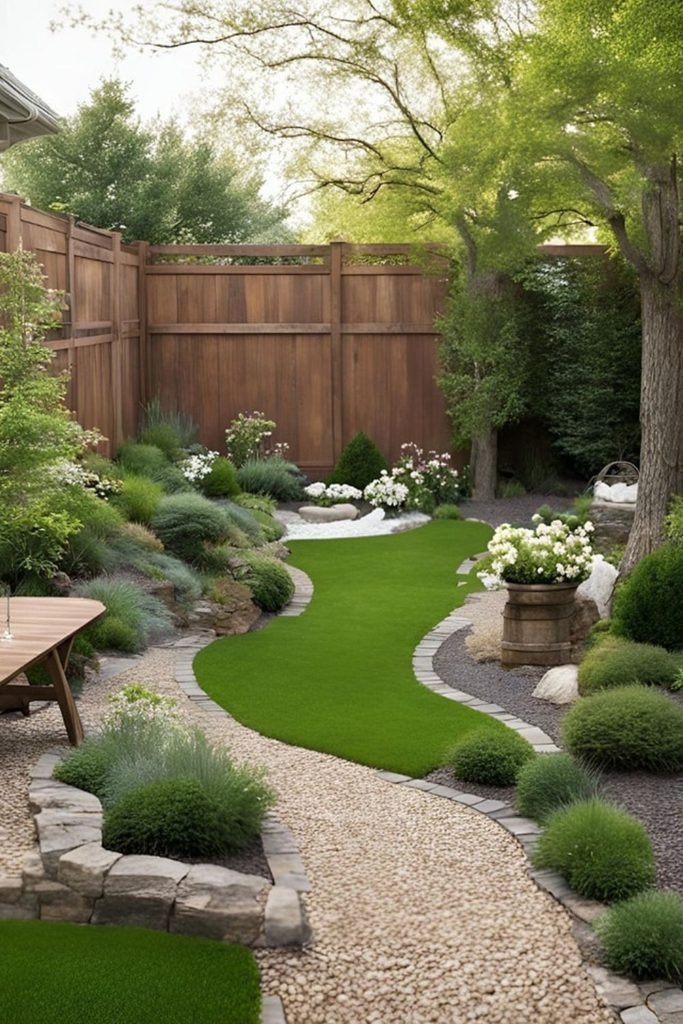
Winding Lawn
Straight lines can make a narrow garden reveal its full size at once, so soften the layout with a gently curving strip of lawn.
Lay plant beds around the outside edges and use cheap gravel between them to limit the quantity of paving you will require.
You can generate rhythm by repeating compact shrubs on either side, you don’t need dozens of different plants.
Place a basic dining table next to the house, where access is easiest, then allow the curved grass run through to the back.
The changing sightline makes the garden feel deeper and every portion is still useful.
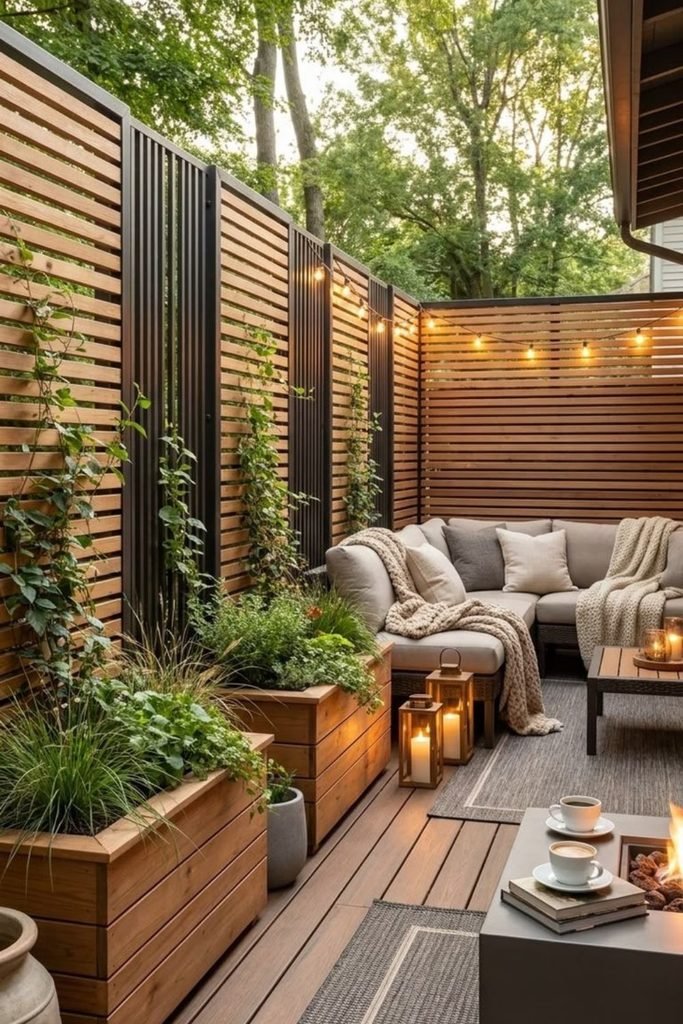
Privacy Planters
Build privacy into the planting instead of using valuable floor space for a thick hedge.
Mark out one side of a small patio with slim timber planters and then grow climbers and erect grasses on a plain slatted screen.
Once the plants mature they soften the boundaries and the screen gives you coverage from the outset.
To keep expenses down, make the planters from unused decking planks or cheap timber and if the boxes are deep, cover only the top part with soil.
Keep a bench in the far corner so the middle is empty, then string a few soft lights to make the screened space feel home-y after dark.
Framed Lawn
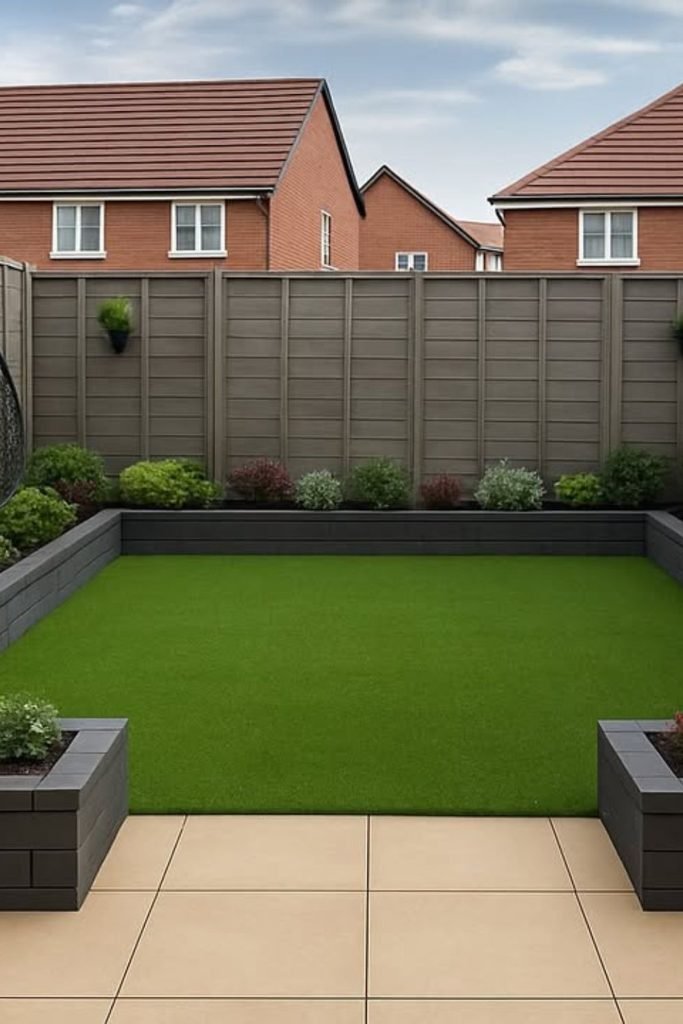
Give a plain rectangular yard more structure by wrapping the lawn with narrow raised borders instead of adding features across the middle.
Create modest beds out of cheap blocks, bricks or recycled timber, then repeat compact shrubs and a few flowering plants along the edges.
A small planting palette allows you buy fewer kinds, split plants later and yet have a nice completed look.
Don’t try to stuff furniture into all the corners leaving the center wide open for youngsters, dogs or flexible sitting.
Wall-mounted pots can provide another layer of greenery without compromising any planting space below.
Reclaimed Path
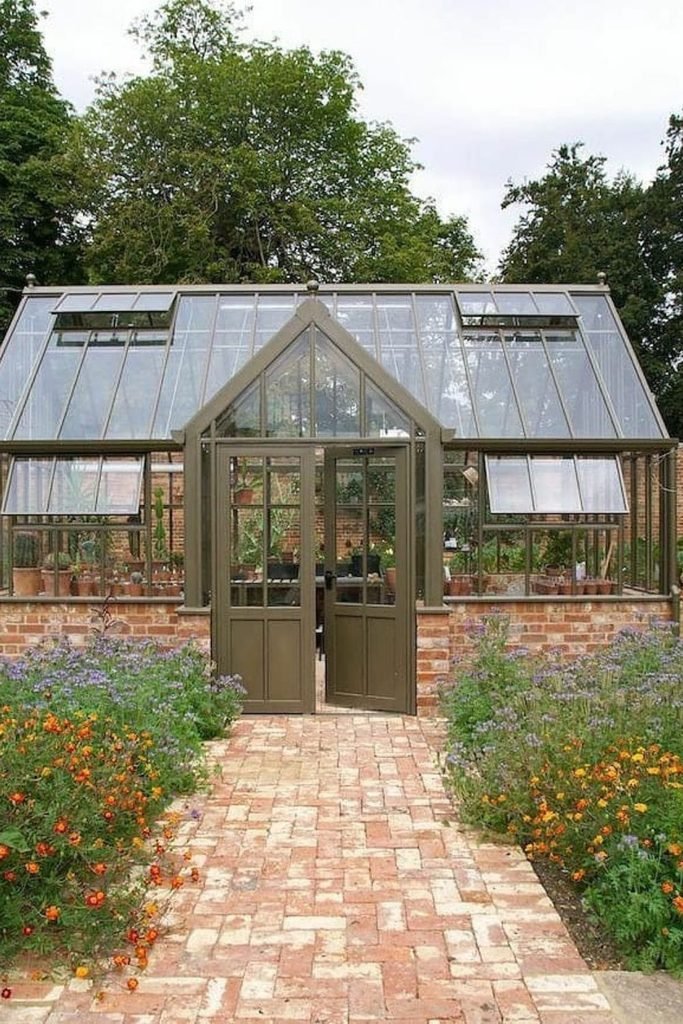
Old bricks can do more than save money they can give a simple garden instant structure without the cost of new paving.
Use reused bricks from another project or a local source of salvaged materials. Lay on a properly prepared, level base for stability.
Line the two edges with inexpensive flowers grown from seed to soften the rough surface and give the route a settled look.
If you have a greenhouse or shed, make sure the walkway actually leads to the door.
A walkway with a destination, no matter how simple, feels designed rather than incomplete.
Gravel Dining
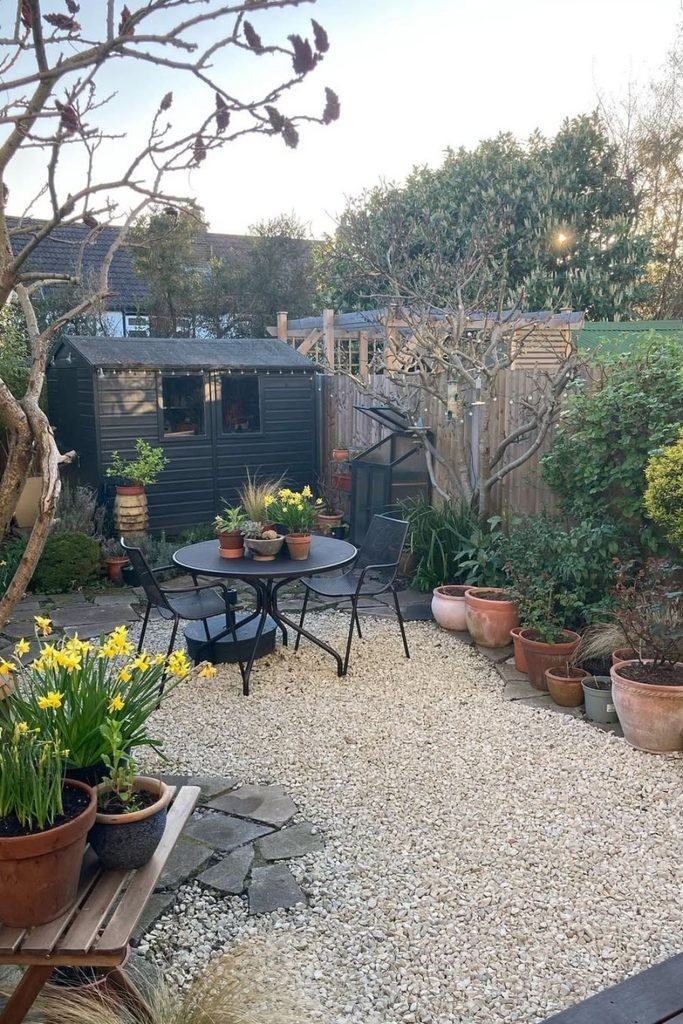
Skip the cost of extending a paved patio by turning a level patch of ground into a simple gravel dining area.
Remove the area, insert edging, lay permeable base, disperse compactable gravel and put a small table and chairs.
Most containers should be pushed to the sides, leaving the middle open and pleasant for walking and dining.
Seasonal flowers, herbs or tiny shrubs can be grown in existing terracotta pots and one or two larger plants will give height without the need for new beds.
If you already have mature trees, shade them instead of building another expensive garden structure.
Circular Focus
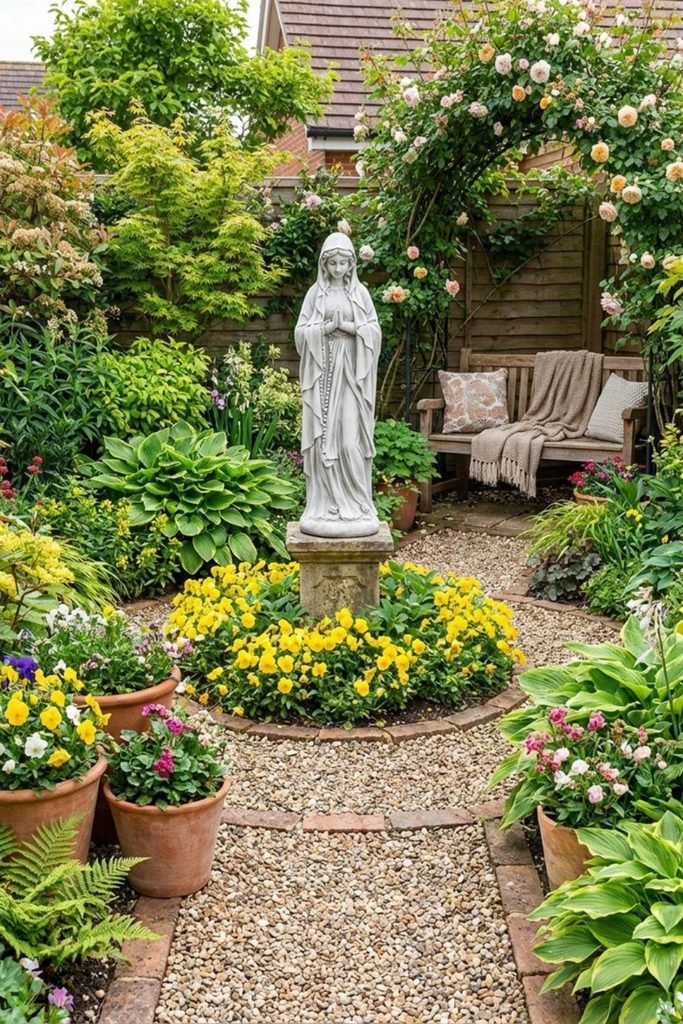
Give a packed garden some order by building the layout around one central feature instead of scattering decorations everywhere.
Create a tiny circular bed edged with recycled bricks and filled with affordable seasonal flowers or divided perennials for a big splash of color.
You can also have gravel around the circle so that you can connect different corners without having to pave the whole thing.
Let the outer borders be filled with larger leafy plants, then nestle a small bench beneath an arch or climbing rose for a tranquil retreat.
You can also make use of what you already own instead of buying multiple accessories.
Climbing Canopy
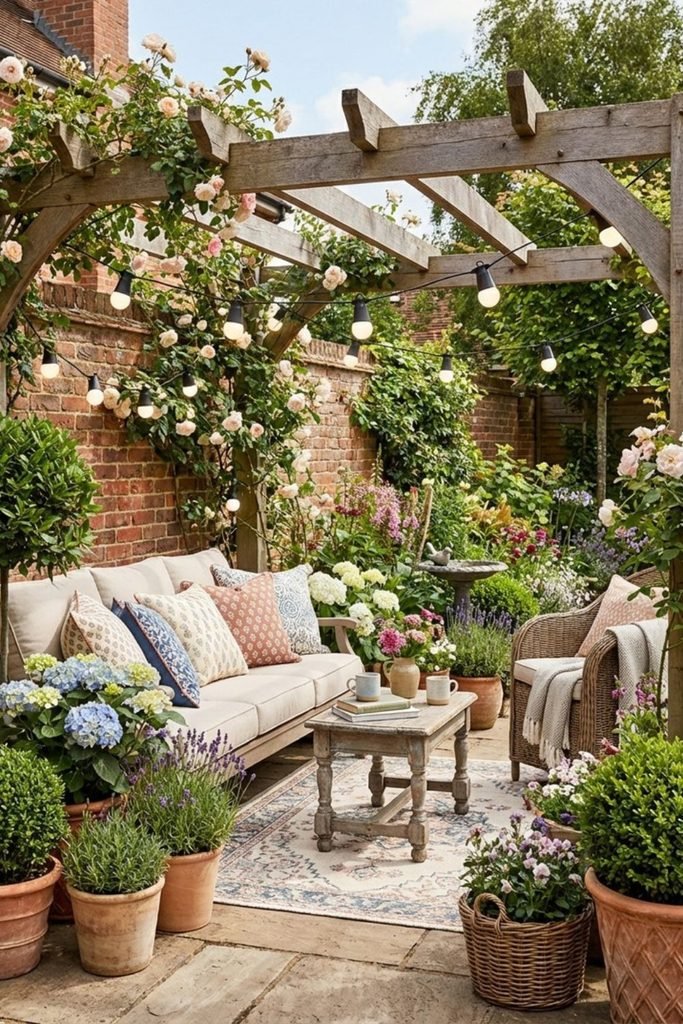
Let climbing roses do the decorating when you want a small seating area to feel established without filling it with extra accessories.
Train one or two climbers over a simple timber pergola, tying in new growth loosely to the supports until the plants start to cover the overhead beams.
Arrange existing pots around the boundaries of the terrace with long-flowering plants and herbs, providing enough space to stroll comfortably.
String lights under the pergola offer an economical way to light the space at nite, and an outdoor rug placed on top of the existing concrete defines the area.
Select climbers that match the amount of sun you have and the area you can provide, so that pruning remains manageable as they get bigger.
Block Tower
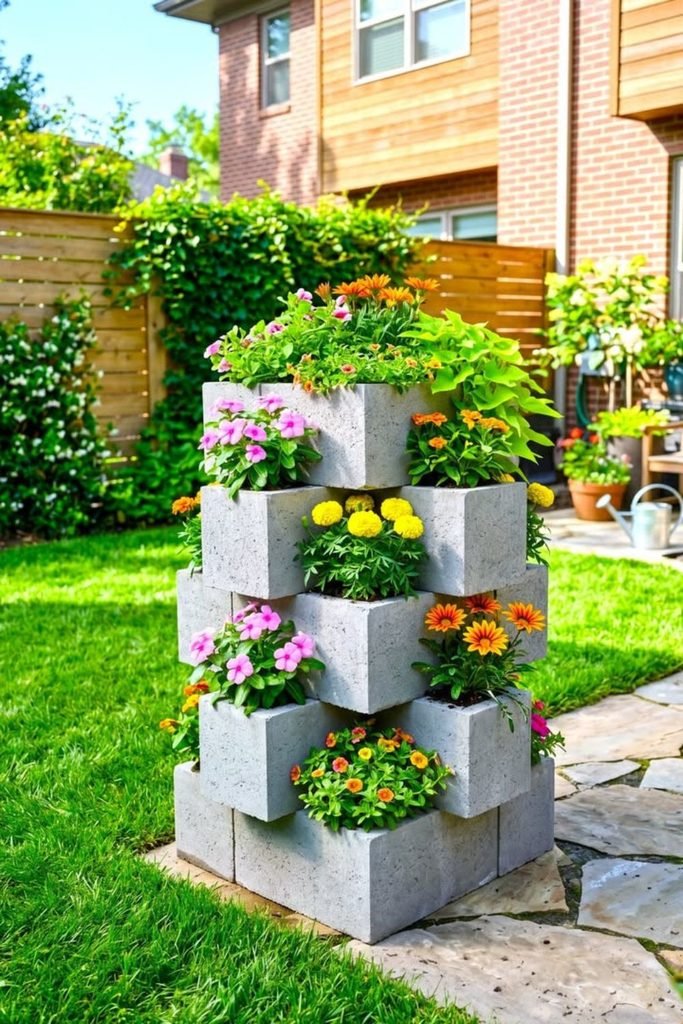
Stacking inexpensive concrete blocks can give you several planting pockets without spreading pots across the lawn.
Train one or two climbers over a simple timber pergola, tying in new growth loosely to the supports until the plants start to cover the overhead beams.
Existing pots can be dotted along the edges of the terrace, with long-flowering plants and herbs.
String lights under the pergola provide an inexpensive method to light the space at nite, and an outdoor rug over the existing concrete defines the seating area.
Pick climbers that suit the quantity of sun you have and the space you can give them, so pruning stays a realistic task as they get bigger.
Balcony Harvest
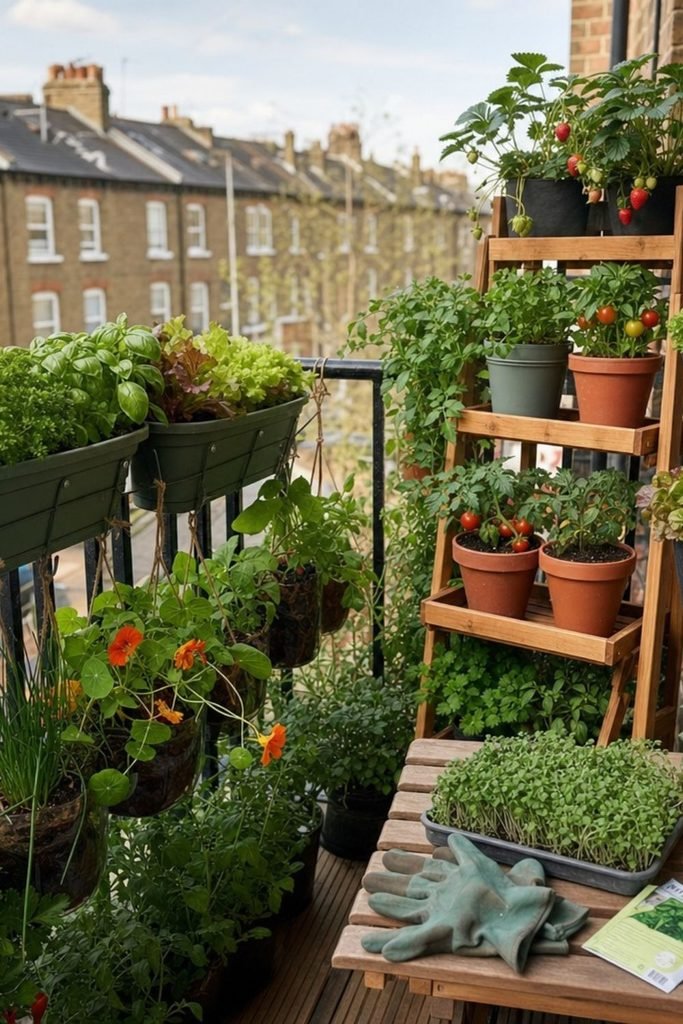
Grow food upward when a balcony gives you almost no room for traditional garden beds.
Securely mount railing planters for shallow-rooted herbs and leafy greens, then go for a thin tiered shelf for strawberries, petite tomatoes and other container.
Wall pockets can house tiny herbs without encroaching on walking space, while hanging pots can utilize the open space beneath the railing.
Save some money by starting cheap crops from seed when you can, and reusing pots you already have.
Before you plant, check how much direct sun the balcony gets and make sure every pot drains well so a thriving tiny garden doesn’t generate water problems.
Split Levels
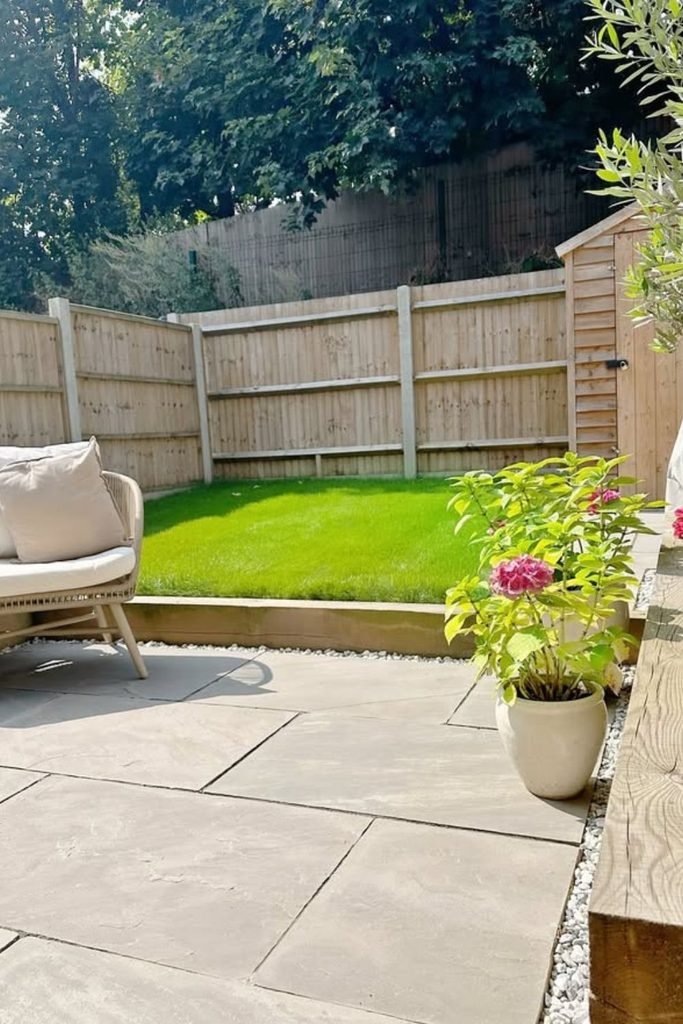
Work with a change in height instead of paying to flatten the whole garden.
Keep the patio on the lower level for seating, then use a simple timber retaining edge to separate it from the lawn above.
The raised edge can double as a narrow flower bed, giving you planting space without adding containers across the patio.
If paving is already in place, clean and keep it rather than replacing it just for a new look.
Limit furniture to one comfortable chair or a compact set and place a flowering pot nearby for colors.
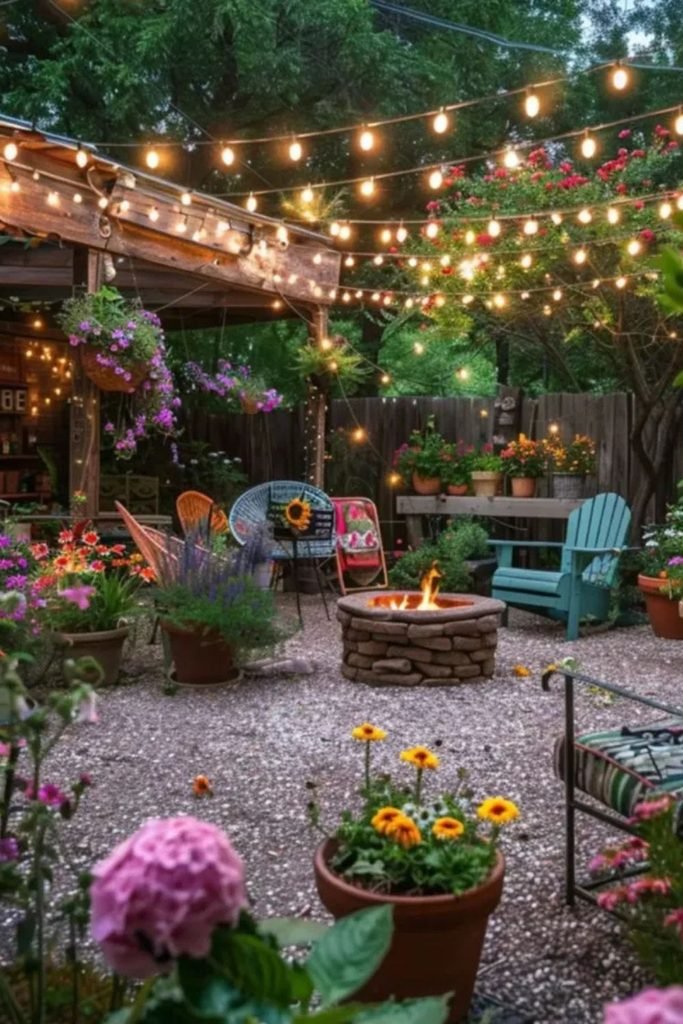
Gravel Gathering
Make one inexpensive surface handle several jobs by covering the main gathering area with gravel instead of building large paved patio.
Create a basic fire pit in the center and surround it with used or mismatched outdoor chairs.
Add more chairs when you need them, rather than buying a full set.
Push flower pots to the edges, they soften the barrier and make the middle simple to move through.
Extend the space into the evening by hanging string lights between sturdy supports or existing structures.
Finishing the garden with beautiful flowers grown from seed and using old pots would make a low-cost makeover everything but another pricey endeavor.
FAQs
How Can I Make A Small Garden Look Bigger?
Leave the middle open and do most planting on fences walls and corners.
Vertical planters, climbers, narrow borders and taller plants fill the space with foliage without taking over the floor.
Repeating a few plants and materials also reduces visual clutter. A curving or partially hidden walkway can give the illusion of depth in a garden.
What Are The Cheapest Ways To Fill Garden Beds?
Start flowers from seed, divide established perennials, swap plants with friends, and buy smaller plants instead of mature examples.
Stay with kinds that either spread or return each year, so you won’t have to pay to re-fill the same beds each season.
While you wait for your seedlings to grow, lay down mulch around the bare dirt between them to make your garden look finished.
