
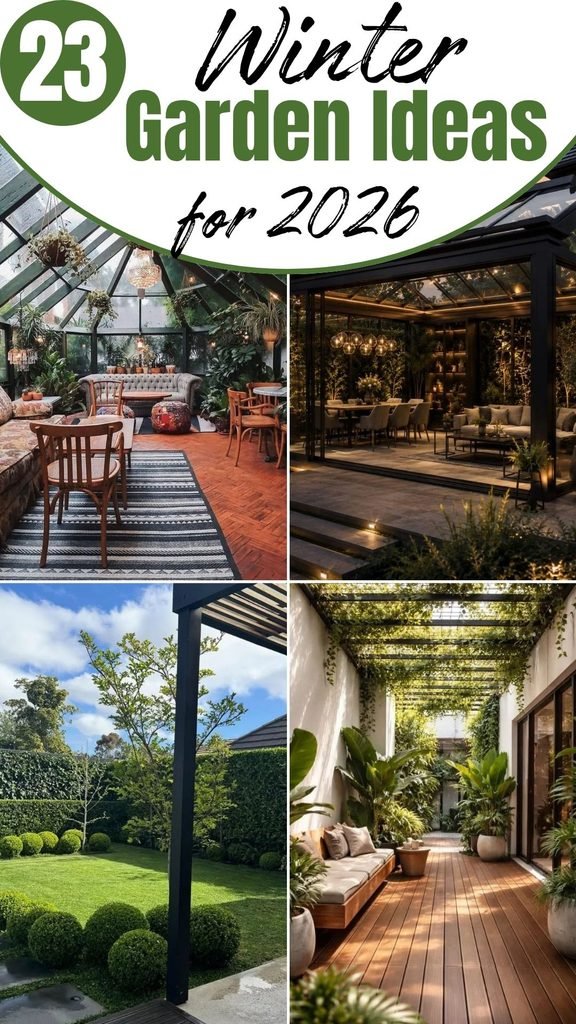
23 Winter Garden Ideas for 2026
Winter has a way of exposing every weak spot in your garden.
Flowers disappear, leafy plants shrink back, and beds that felt full in summer can suddenly look bare.
Filling every gap with new seasonal plants only adds more work and expense.
Evergreen foliage can hold its shape, grasses and seed heads add texture, berries and colorful stems bring life.
In this article, you’ll find 23 Winter Garden Ideas to help you create beautiful outdoor space.
Let’s jump in!
How Can Winter Containers Add Color Without Constant Maintenance?
Instead of stuffing containers with flowers that need to be replaced all the time, choose plants that can already cope with your winter circumstances.
Evergreen shrubs, dwarf conifers, hardy grasses, berries and cold-tolerant flowers can give color with a lot less care.
Choose a larger container that drains well; the more excess soil there is, the longer it will keep moisture and the more protected the roots.
Plants can also have cold weather tolerance problems if rain is pooling around the roots, so make sure drainage holes are clear and lift pots slightly.
Actually, a few well-placed pots in prime positions will do more for the impact of the garden than a host of containers dispersed all around.
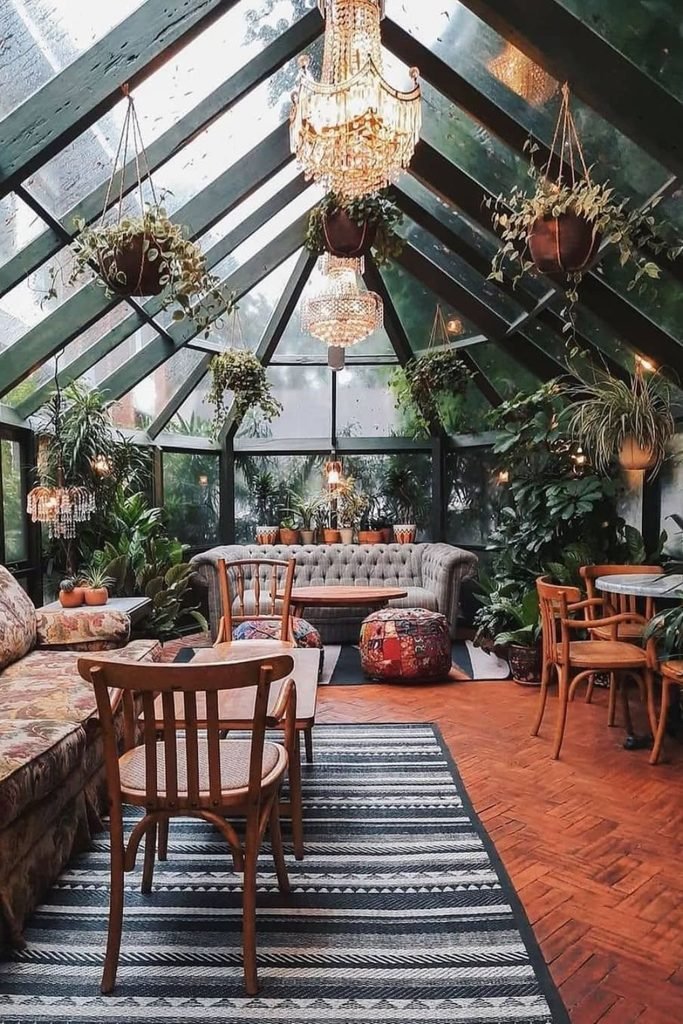
Glasshouse Retreat
Turn a greenhouse or enclosed garden room into a winter escape where you can enjoy greenery without sitting out in cold weather.
Fill the sides with potted greenery and hanging plants, but leave the center open for a small table or comfortable seating.
If you have hard winters, pick plants that will be able to withstand the temperatures your room can reach; don’t just assume the glass.
Add good ventilation and group plants with comparable watering needs to control condensation.
The warm lighting may make the space usable after dark, while offering you a garden spot to enjoy in the winter months.
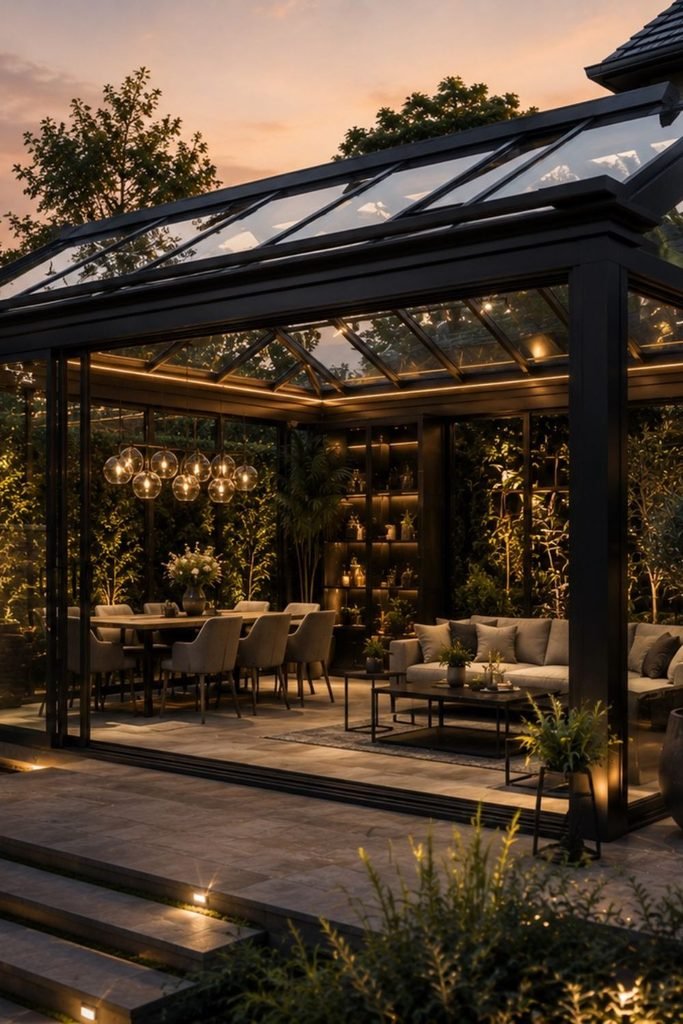
Lit Conservatory
Extend garden use into cold evenings by turning a glass conservatory into a sheltered space that still feels connected to the planting outside.
Place larger potted evergreens close to the glass and use low-level lighting along steps, borders and structural plants so the garden can be seen after dusk.
Use warm outdoor-rated lights to mimic the look, aiming them to accentuate the foliage instead than shining directly into the dining area.
You may open sliding or folding glass doors for ventilation on mild days, and a covered dining and living area is a comfortable place to enjoy the garden.
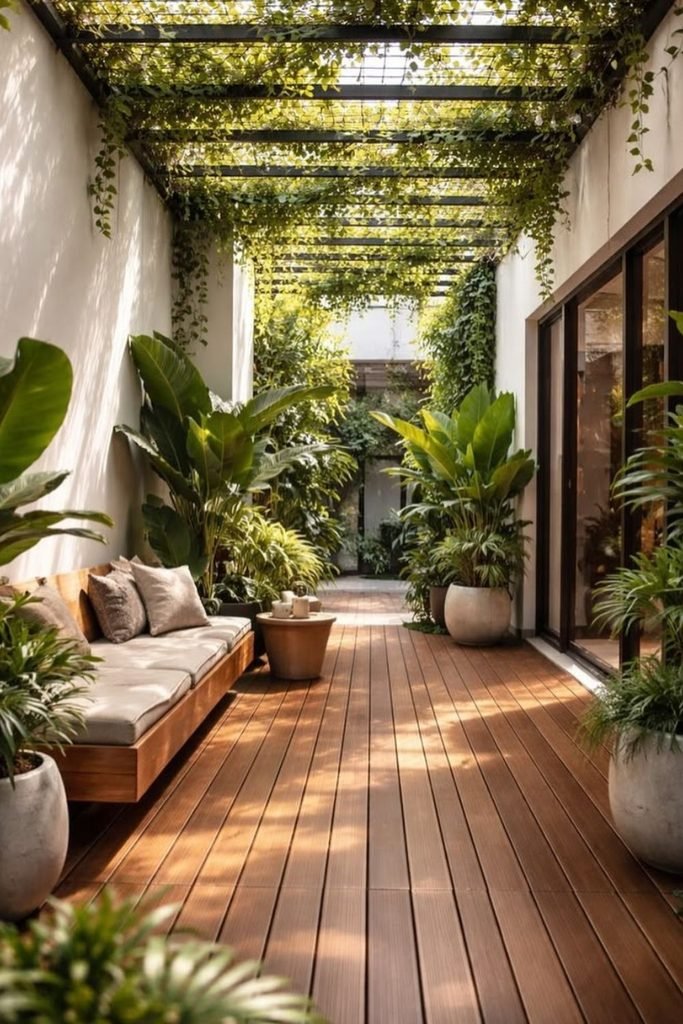
Covered Courtyard
Protect a narrow courtyard from winter weather without giving up the feeling of an outdoor garden.
Climb over a strong overhead framework, then put huge containers against the walls so that the middle is open for walking and seating.
In cooler climes, exchange sensitive tropical foliage with sturdy evergreens, ferns or other plants that can withstand your local winter temperatures.
A cover over head can limit rain and frost, but plants below could receive less natural moisture, so examine the soil rather than assume winter rain.
Place chairs next to the house where walls offer added protection from cold gusts.
Evergreen Structure
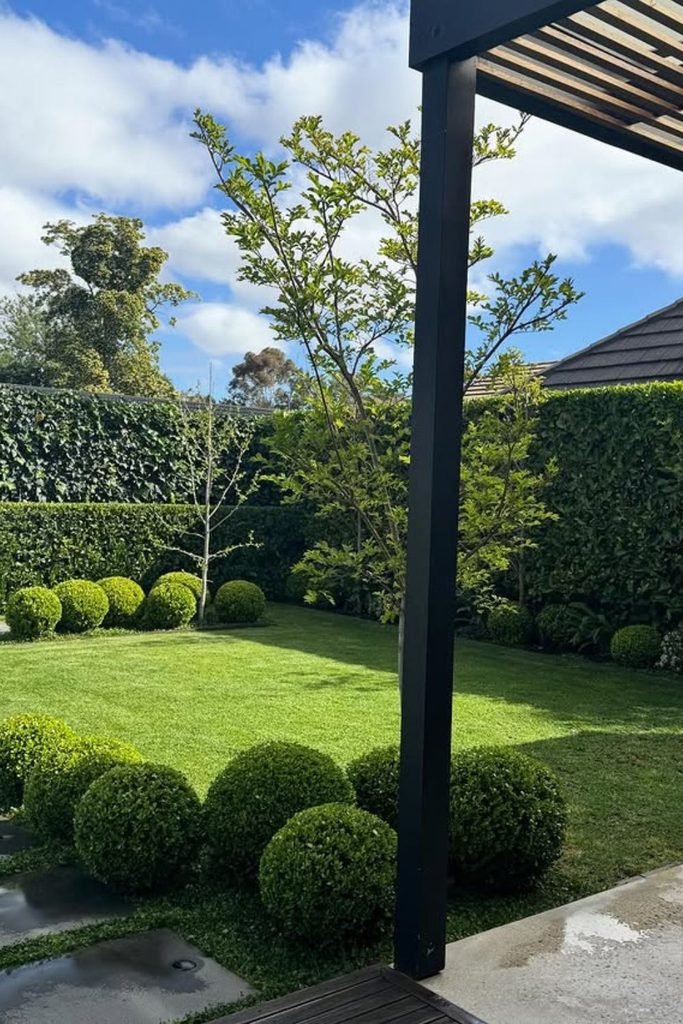
Give winter beds a strong backbone with clipped evergreen shrubs that keep their shape after softer seasonal plants fade.
Rounded forms work especially well along patios, pathways and lawn edges because repeating them creates a clear rhythm without needing winter flowers.
Mix several sizes rather than trimming every shrub identically and leave enough space between plants so each shape stays visible as it matures.
For colder regions, choose an evergreen species proven hardy in your climate and avoid heavy pruning late in season.
Winter Gazebo
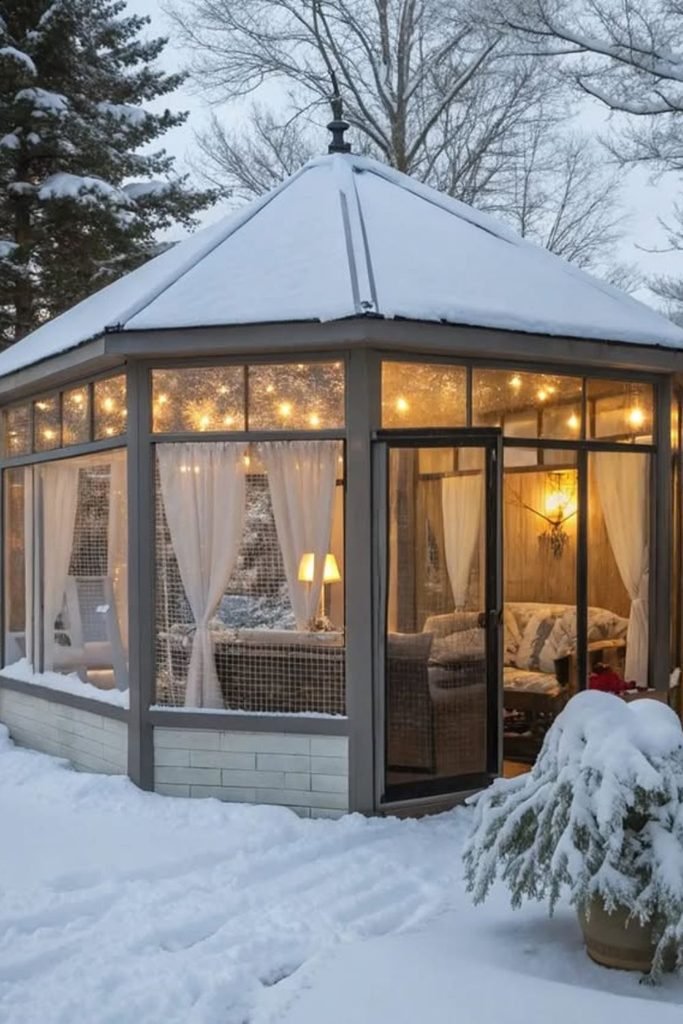
Create a sheltered garden sitting area so heavy snow does not make the entire backyard unusable.
A fully covered gazebo is best placed either near the home or overlooking a favorite winter scene.
Where its translucent panels can block the wind while still allowing a view of the surrounding landscape.
Add in some warm lighting and weather-resistant seating inside, then flank the entry with hardy potted evergreens to tie the structure to the landscape.
In areas with snow, ensure your roof is suited for the local snow load and keep the approach to it free.
Greenhouse Haven
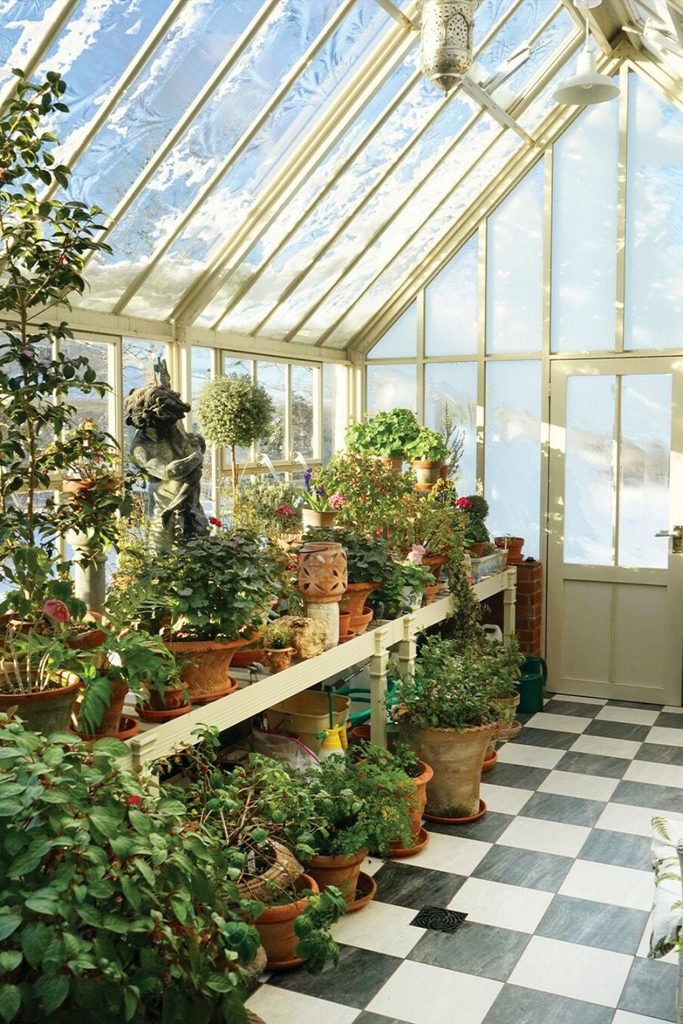
Move vulnerable container plants into a bright greenhouse before hard freezes arrive, and you can keep much more greenery going through winter.
Place pots on benches and the floor in order of height, so that bigger specimens do not shade smaller ones.
Trim out damaged growth and put plants together with comparable temperature needs.
Slow watering as growth slows but roots should never be kept consistently wet.
Good ventilation is important even on chilly days, as retained humidity can lead to fungal problems.
Winter Vegetables
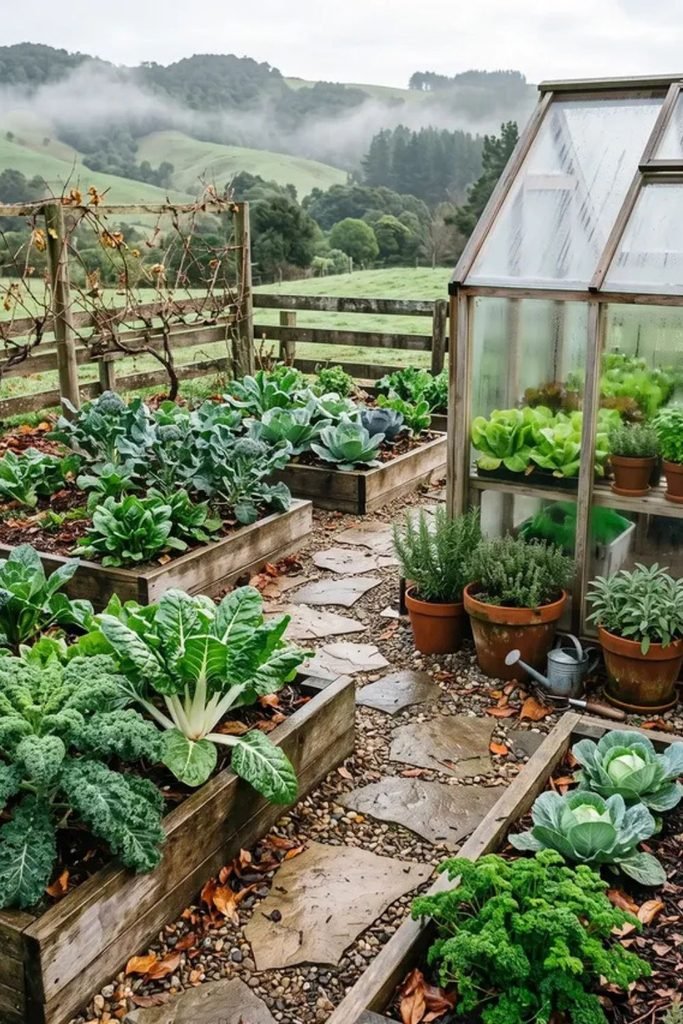
Keep productive beds working after summer by switching them to cool-season vegetables that can handle lower temperatures.
Good options include kale, cabbage, chard, spinach and other cold-tolerant crops.
But depending on your location, the winter might be very different, so adjust kinds and planting dates accordingly.
Raised beds aid drainage in the wet months, and the proximity of a greenhouse gives you extra protection for sensitive herbs, young seedlings.
Use mulch to protect soil and minimize weeds around established outdoor plants, but keep it away from stems.
Festive Greenhouse
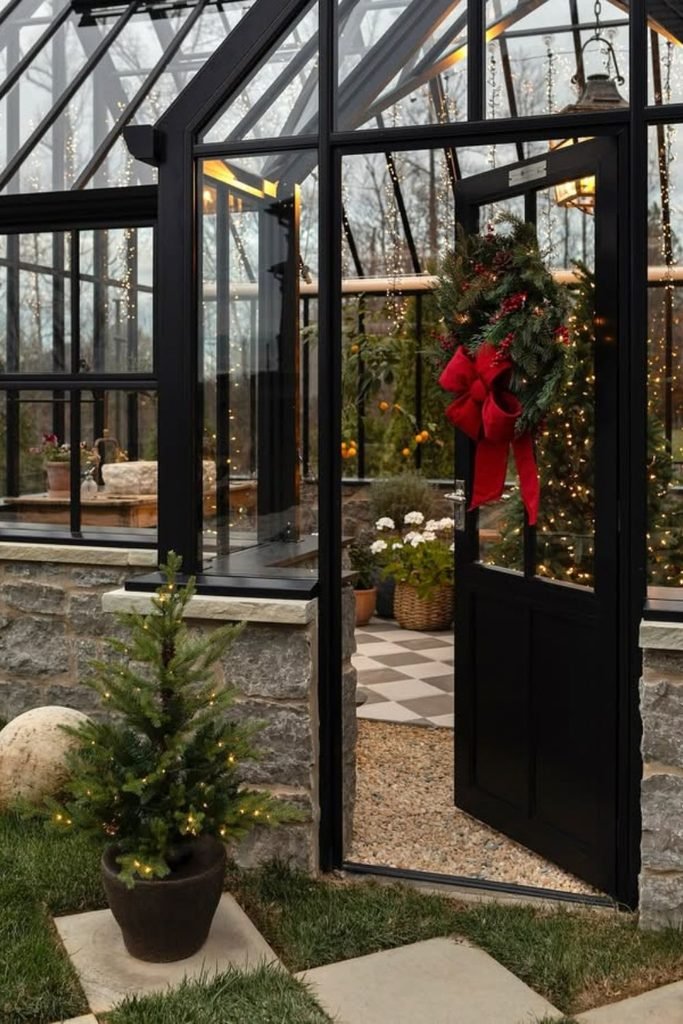
Bring seasonal color to a winter greenhouse with evergreen accents instead of filling the space with short-lived decorations.
Start with a small potted conifer near the entryway and mirror the natural greenery inside so the transition feels connected rather than overly embellished.
Warm outdoor rated lights gently wrapped around the tree or greenhouse frame can brighten dreary evenings with out robbing plants of growing room.
If you want to put a wreath on, take cuttings from evergreens, berries and pinecones for color that mixes with the garden environment.
Avoid putting lights where they might get wet from watering and choose a pot with drainage to ensure the conifer remains a healthy fixture.
Snowy Pathway
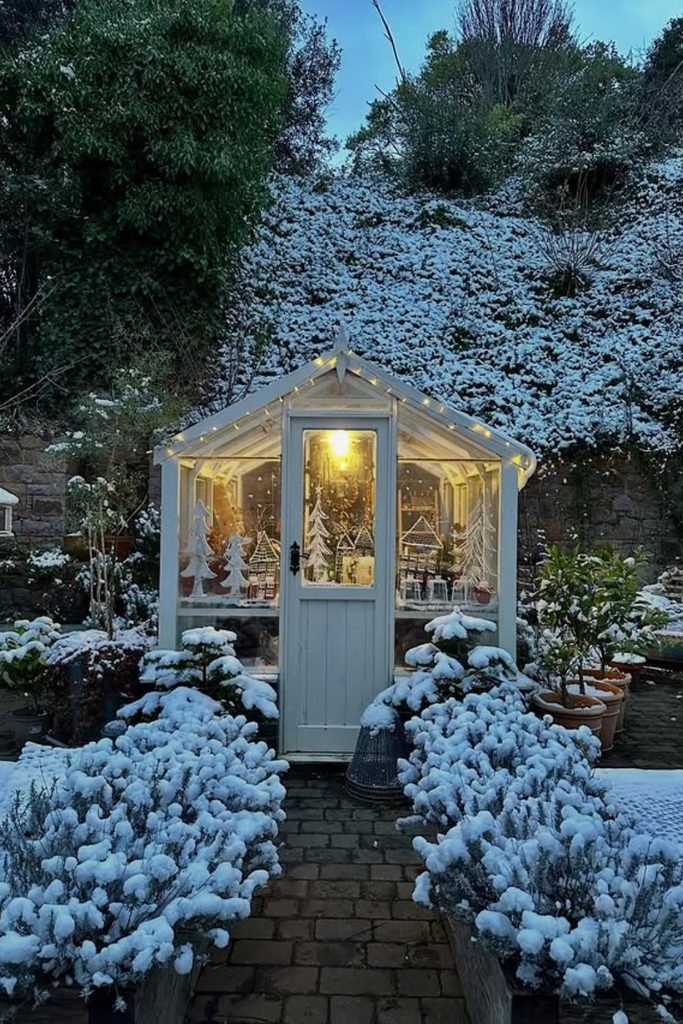
Keep one clear route through the winter garden so snow-covered planting still feels organized rather than inaccessible.
Lay a sturdy brick or stone path between raised beds and extend it to a greenhouse, shed or seating area which you may visit in cooler months.
Ever green bushes and strong stemmed plants can flank each side molding the walkway even under a blanket of new snow.
Don’t let the foliage grow too much over the boundaries. Narrow walkways are difficult to clear after the snowfall.
If ice is an issue in your area, go for a textured, non-slip surface and sufficient drainage so melted snow doesn’t keep re-freezing over the walking path.
Garden Lounge
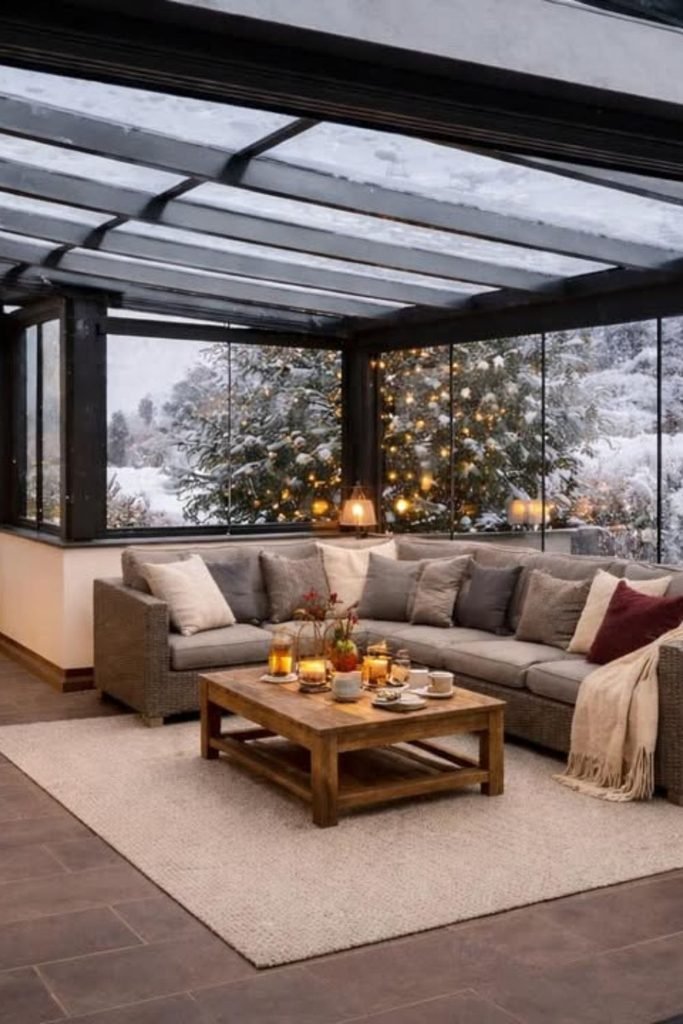
Enjoy the winter landscape without sitting directly in the cold by creating a glass-covered lounge beside the garden.
Put comfortable seating next the greatest exterior view so that snow-covered evergreens and structural shrubs can be an extension of the area even.
If you want to utilize it year round, use weather resistant flooring, ventilate for bright days and ensure the roof can bear local snow loads.
Position outdoor planting near the glass with evergreens or small conifers that are appealing all winter.
After dark, soft lighting inside also reflects into the garden, so that the outdoor space feels connected instead of disappearing as daylight ends.
Evergreen Glow
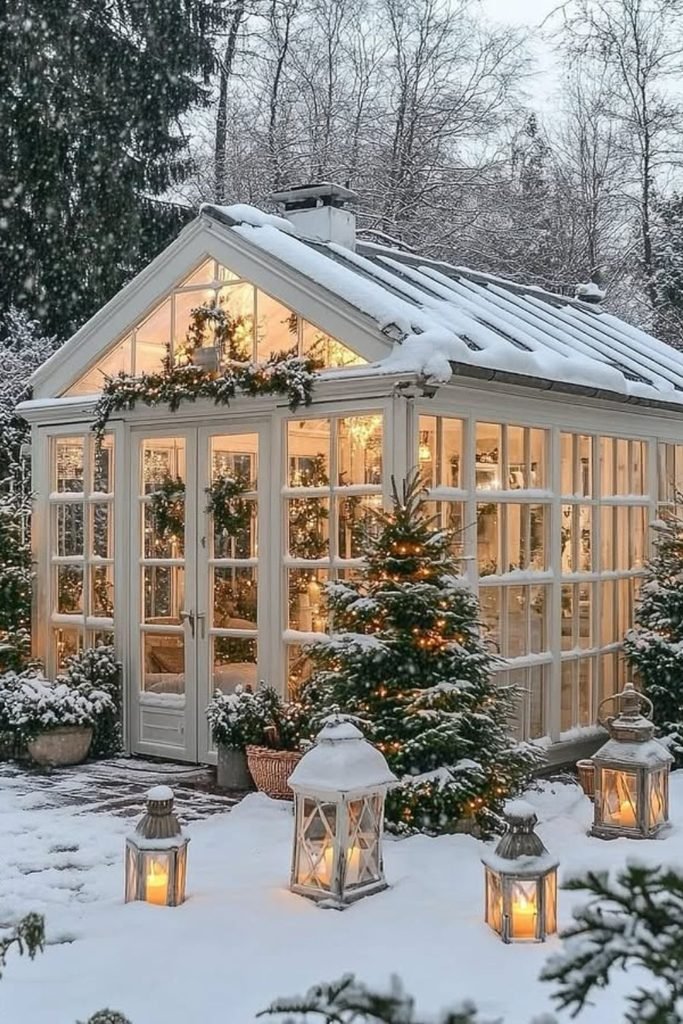
Use compact evergreens around a garden room to keep the landscape full when deciduous plants have dropped their leaves.
Place several conifers at different heights near the entrance rather than spreading them across the whole yard then add simple warm lights.
Potted specimens give you flexibility, but choose frost-resistant containers with drainage holes if they will remain outdoors all season.
In snowy climates, select conifers hardy enough for your area and brush off unusually heavy, wet snow before branches become weighed down.
A few lanterns near the walkway can finish the setting while also making the entrance easier to navigate after dark.
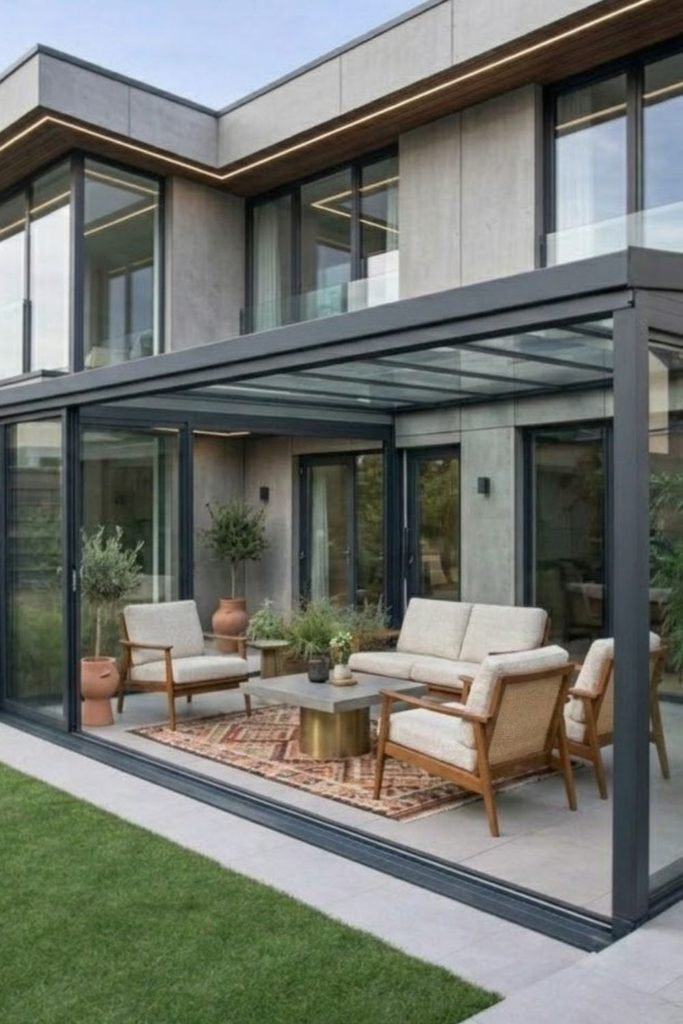
Patio Enclosure
Close off part of an exposed patio with glass panels when winter wind keeps you from using the space.
Position the enclosure directly beside the house so it feels connected to both the garden and your indoor living area, then keep furnishings simple.
Plants near the glass can still receive plenty of daylight, but watch temperatures because strong winter sun may warm an enclosed space surprisingly quickly.
Opening panels or vents will help release excess heat and condensation on milder days.
Surround the outside with grasses, evergreen shrubs, or other hardy planting so the enclosure stays visually tied to the garden throughout the season.
Garden Pavilion
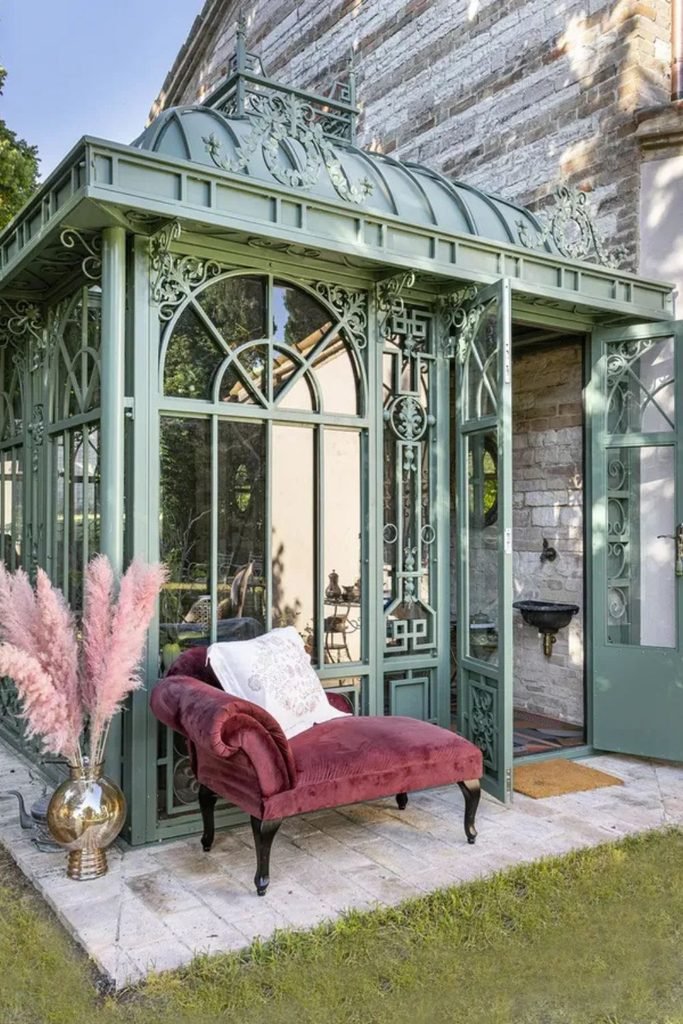
Give a small garden an all season focal point with an enclosed pavilion that feels decorative even when most planting has died back.
Position it against a wall or along a quiet boundary where the structure can create its own sheltered corner without taking over the lawn.
Glass panels keep natural light coming through, while an ornate metal frame adds detail when surrounding trees are bare.
Use the interior for winter-safe plants or a compact sitting spot, depending on how well the space holds heat.
Keep a paved strip around the base for clean drainage and add grasses or evergreen pots nearby to soften the structure.
Winter Harvest
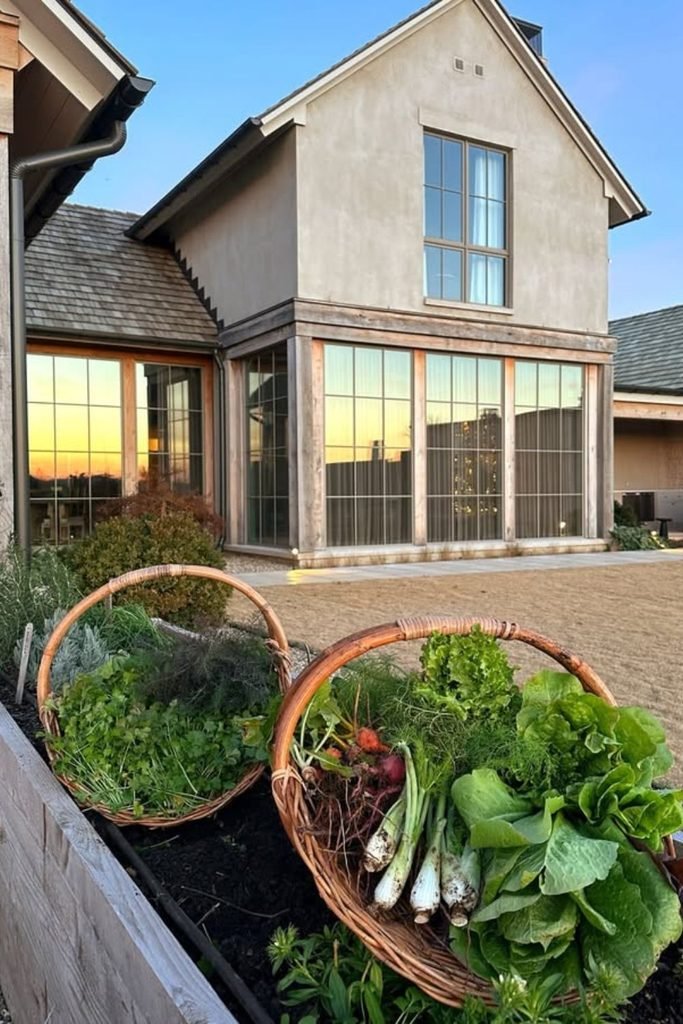
Keep raised bed productive through the colder months by planting crops that prefer cool conditions and harvesting them as they mature.
In climates that allow, leaf lettuce, hardy greens, leeks, carrots and cold tolerant plants can provide fresh food long after the height of summer has passed.
Plant at the correct time so plants become established before development slows down with shorter days.
If harsh freezes are a typical occurrence, throw in hoops with frost cloth or a basic cold frame for added protection.
Raised beds close to the home are particularly useful, because you can inspect your crops and pick what you want without having to walk through garden.
Fireside Greenhouse
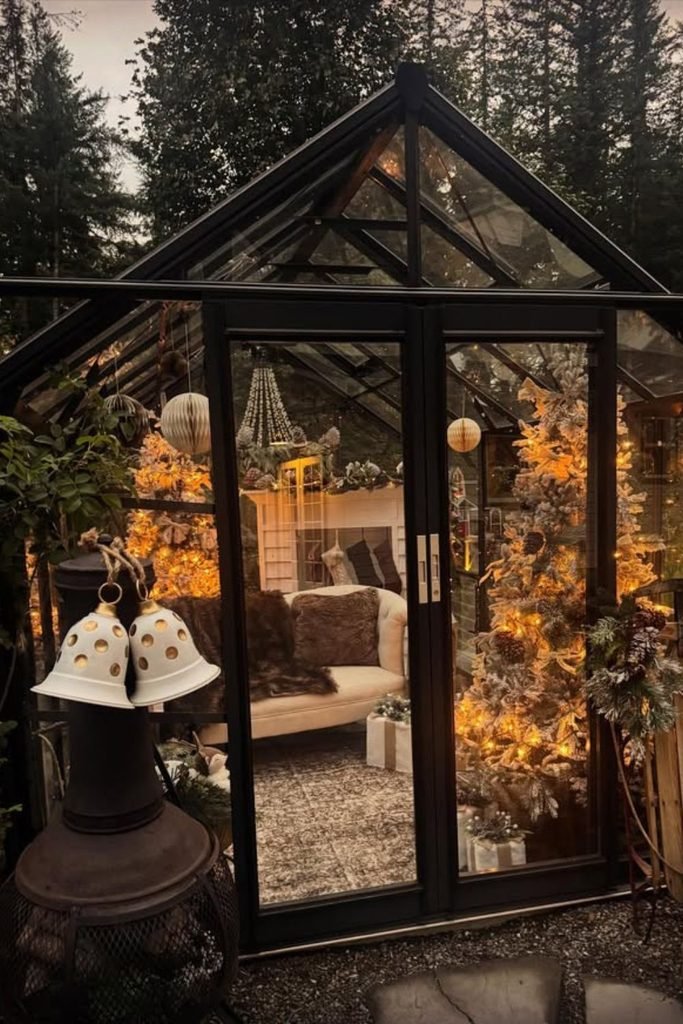
Make a small greenhouse useful beyond growing season by turning one end into a sheltered winter sitting spot.
Keep the glass walls mostly clear so that the daylight and surrounding evergreens are part of the experience.
If you install an outdoor fire feature nearby, allow ample separation from the greenhouse, plants, furniture and anything that will burn, adhere to local safety.
Choose plants that can cope with the real nite temperature inside an unheated greenhouse, don’t think of it as a warm chamber.
You may make the room inviting with comfortable chairs and a few seasonal evergreen decorations without using up future growing space.
Layered Foliage
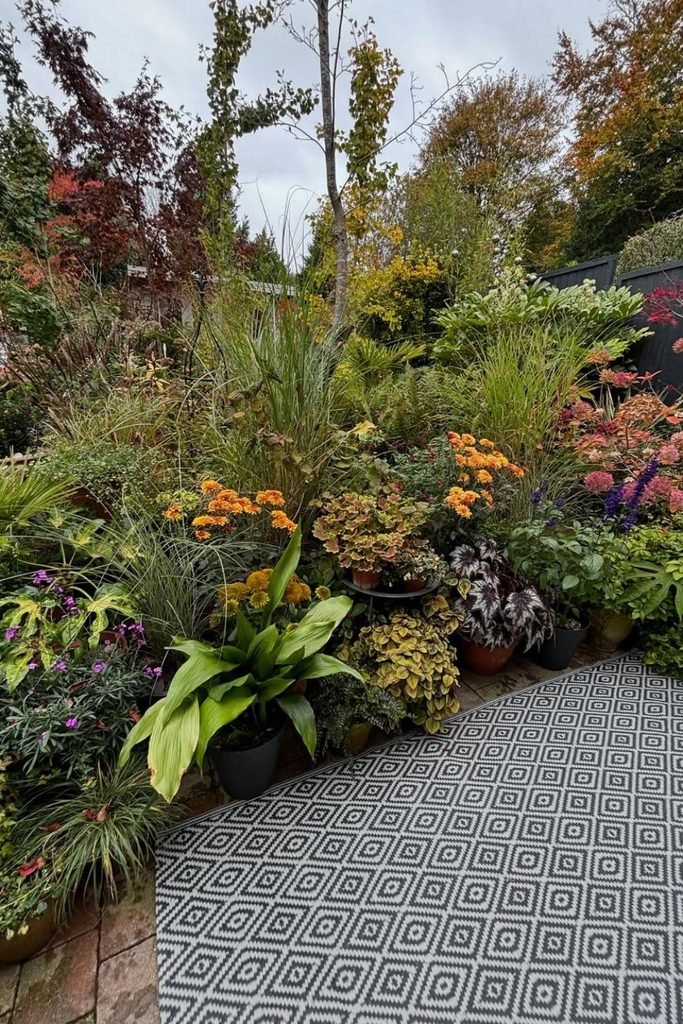
Stretch color later into the season by mixing plants that peak at different times instead of relying on one short burst of flowers.
Combine strong foliage with attractive grasses, evergreen shrubs, long-lasting perennials and pots around a patio or small seating area.
As the weather cools, grasses and other structural plants can keep a border interesting even as the softer flowers fade.
If your tender container plants are not hardy in your climate, move them under shelter before cold, but leave tougher pots outdoors.
Garden Retreat
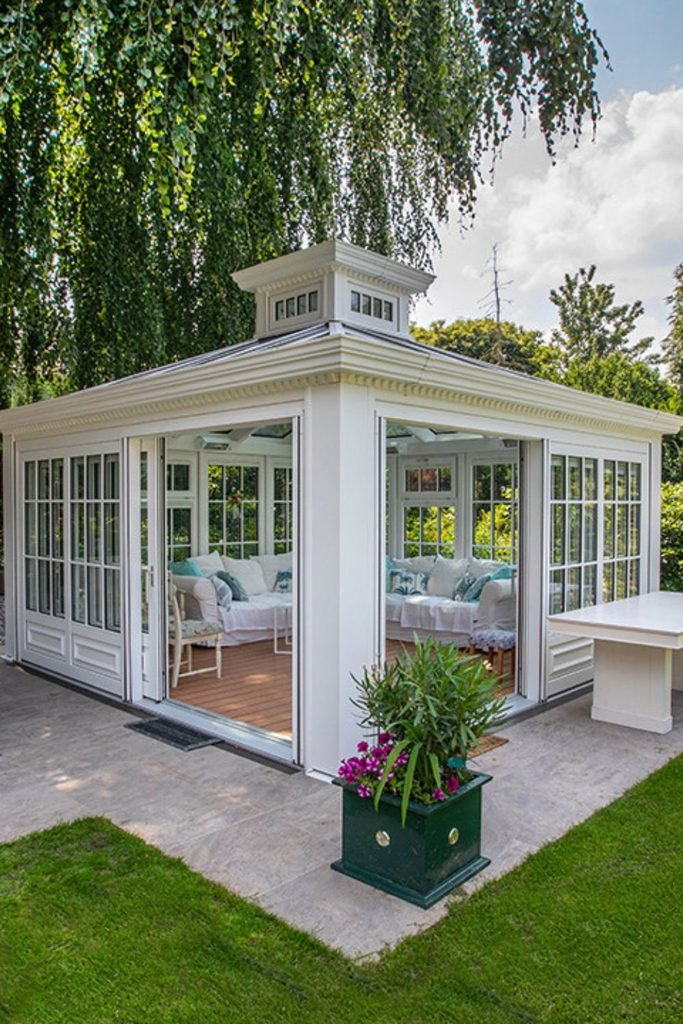
Set aside one sheltered corner for winter use instead of trying to make the entire yard comfortable in cold weather.
Tucked next to large trees or evergreen boundaries, an enclosed garden room offers a secure space without sacrificing vast views of the countryside.
Make it part of the garden with permanent planting so it still seems like the garden when the seasonal blooms are gone.
Sliding or opening panels are good, since they provide you control of airflow when the winter sunshine heats the interior.
Keep the route from the home firm and well drained and put a few sturdy containers near the entry for color.
Sheltered Seating
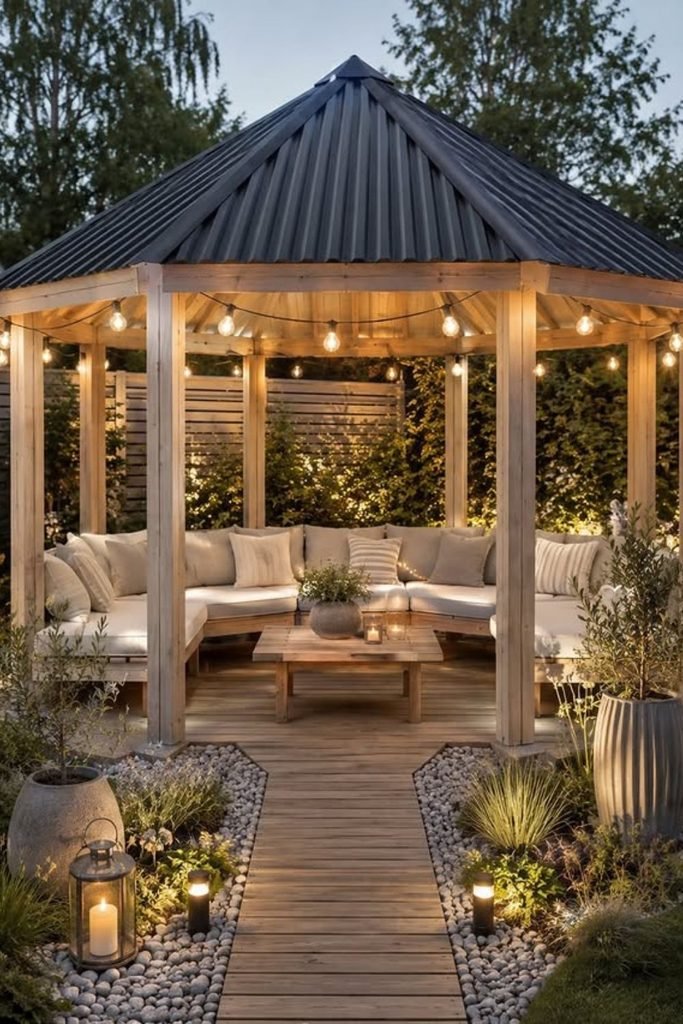
Cold weather feels much easier to enjoy when your seating area has a solid roof blocking rain, frost, and light snow.
Construct the gazebo on a level deck or paved surface, and orient it so that existing fences or hedges can help block the winter wind on the sides.
Evergreen planters near the entry will add some live color surrounding the structure, while low garden lights make the path safer during the early evenings.
Choose outdoor-rated string lights for a softer overhead light and keep cushions in a dry spot when the weather turns bad.
Removable side screens provide extra protection during particularly harsh winters without completely blocking off the gazebo from the garden.
Window Retreat
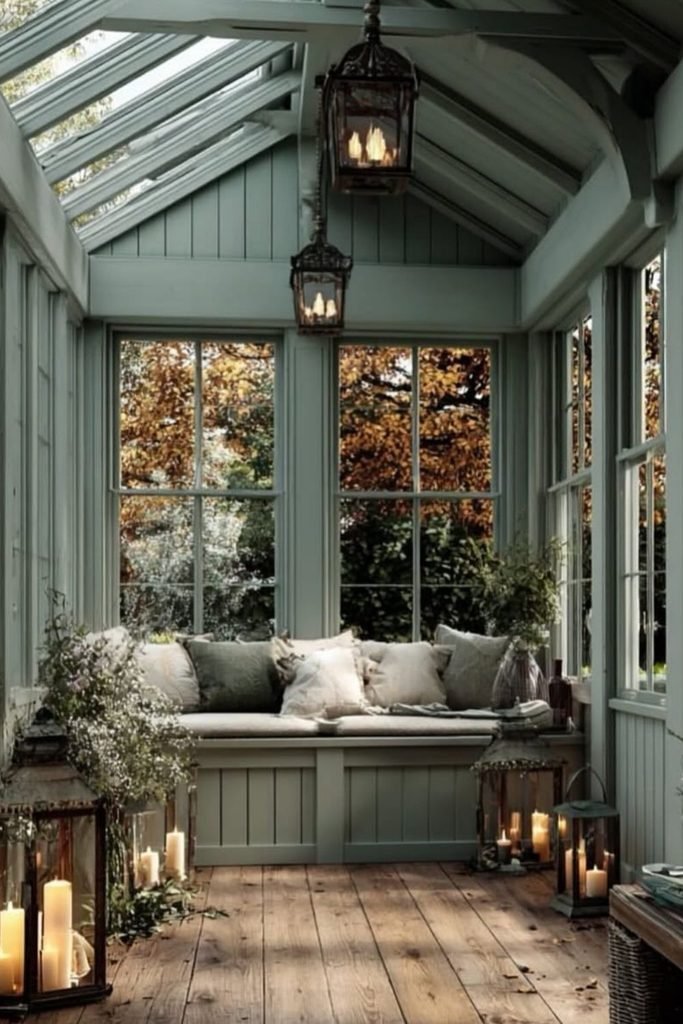
Turn a bright garden room into a winter viewing spot where you can enjoy the landscape without stepping into cold weather.
Provide built-in seats next to the largest windows so the experience includes naked branches, evergreens and shifting winter light.
Instead of cramming every windowsill, limit indoor gardening to a few pots that fit the room’s temperature and available sunshine.
If the space is exposed to heavy afternoon sun, ventilation or shutters can help regulate rapid fluctuations in temperature.
Soft lantern style illumination is a good idea after sunset, but clear sight lines via the windows maintain your eye on the garden during its quietest season.
Garden Lighting
Short winter days can make even a well-planted garden disappear by late afternoon, so use warm lighting to keep key areas visible.
Instead of stringing lights all over the yard, string outdoor-rated string lights through a pergola, along rooflines or between robust trees near a picnic area.
Pair them with low-level path lights so you can securely see your way between house and garden after dark.
Keep cables off the moist ground and select fixtures that are rated for the weather conditions in your area.
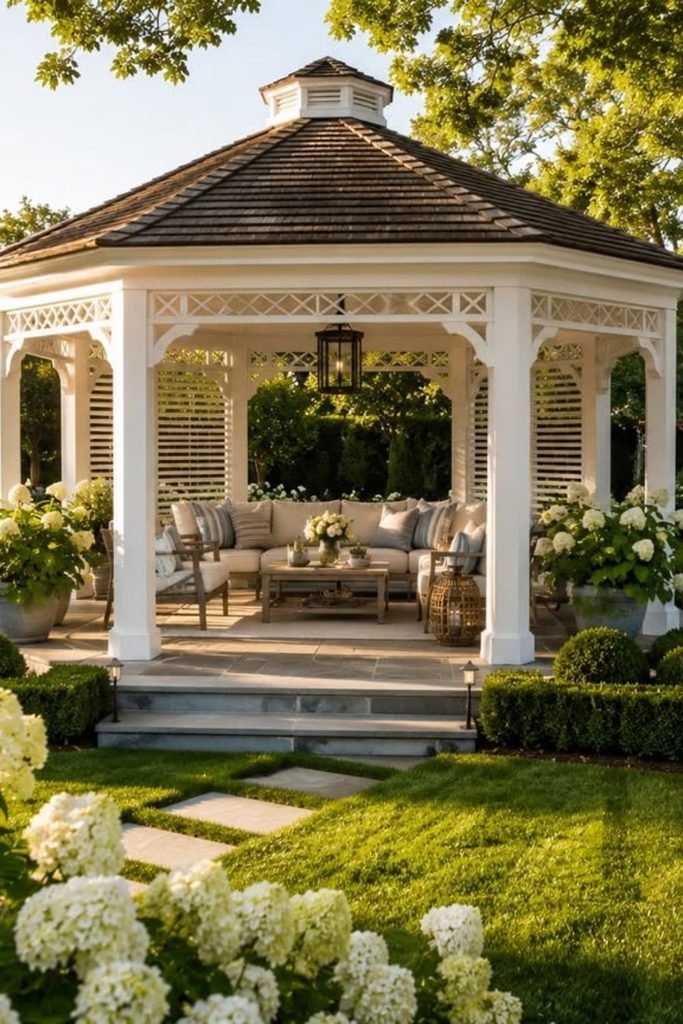
Winter Gazebo
Plan a covered gazebo as the garden’s main winter focal point, then build permanent planting around it so the area still has shape.
Evergreen bushes cut to varied heights can provide a frame at the base and where appropriate, hydrangea flower heads can be left standing.
Locate the gazebo such that it is exposed to winter sun and is somewhat protected from the prevailing winds.
A concrete floor prevents the seating area from getting muddy in bad weather, while partial side screens can protect you from cold draughts.
Keep the route clear and solid so the space is accessible throughout the winter.
Colorful Stems
Bare branches do not have to mean a colorless winter garden. Plant dogwoods with red, orange, or yellow stems.
Where you can see them from a main path or window, then place dark evergreens nearby to make those colors stand out.
Give the shrubs enough sun for strong stem color and check the pruning needs of your variety, since the brightest display often comes from younger growth.
Keep a few evergreen shrubs and taller conifers around them so the border still has solid structure after leaves fall.
This combination works especially well in larger beds where different heights can stop the winter landscape from feeling flat.

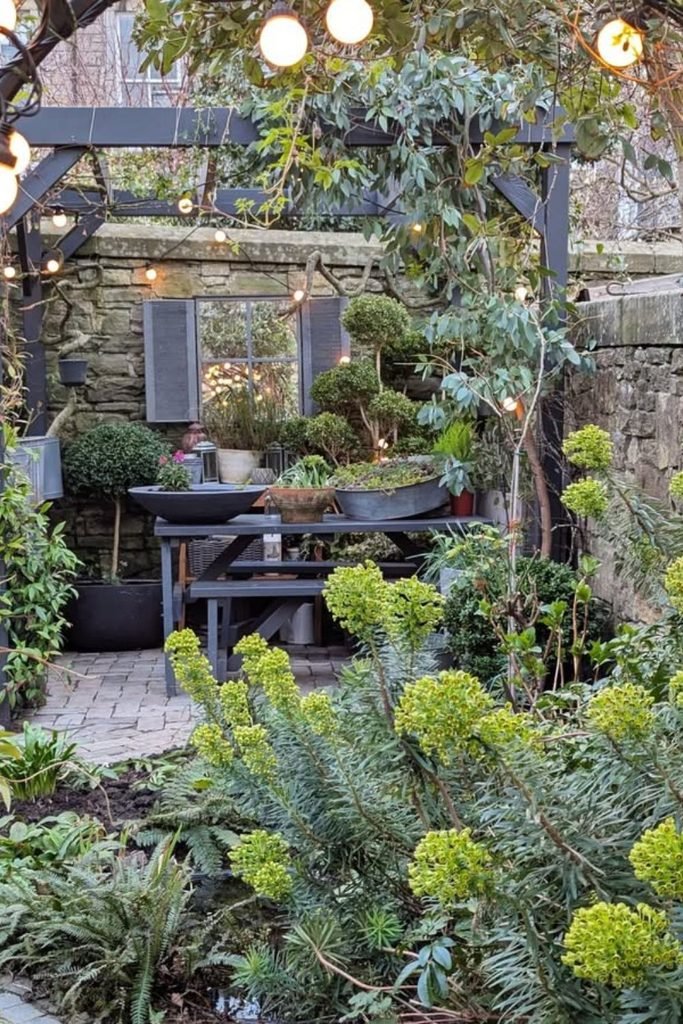
Evergreen Corner
Build winter interest around plants that keep their foliage when nearby perennials begin to disappear.
Fill a protected courtyard with clipped evergreen shrubs, ferns and plants with long-lasting flower or seed structures without crowding it.
Position the taller shrubs and small trees toward the perimeter, and the lower plants closer to the path, so it will be easier to stroll through the space.
Set containers on a bench or table for seasonal plants that you want to change without upsetting permanent beds.
FAQs
Which Plants Add The Most Winter Garden Interest?
Combine them with red or yellow dogwood branches, beautiful grasses, berries, hellebores and plants with appealing seed heads.
Beds are interesting because of their mix of heights, colors, and textures even when much of the summer growth is gone.
How Can I Protect Garden Plants During Winter?
Begin with plants hardy enough to survive the winter temperatures in your zone.
Add mulch to protect the susceptible roots, transfer tender containers into a greenhouse or a protected spot and make sure pots drain well.
